Can Voluntary Ecological Relocation Help Protect Fragile Himalayan Landscapes?
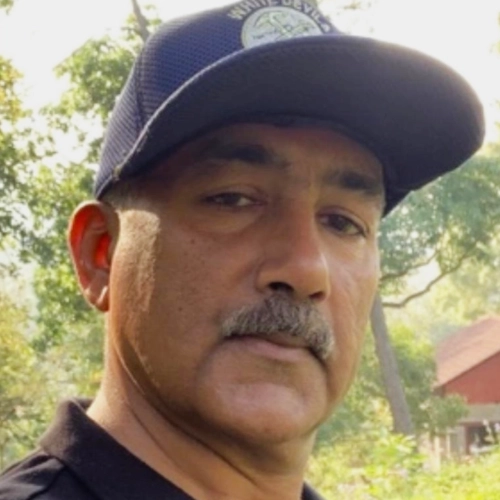
In some of the Himalaya’s most fragile protected landscapes, the legitimate aspirations of communities for better roads, healthcare, education, connectivity and economic opportunity can eventually meet difficult ecological limits. The question is not whether people should be denied development. It is whether, in exceptional circumstances, society should be willing to offer communities a genuinely better future elsewhere while permanently restoring the vacated landscape to nature.
When Human Aspirations and Ecological Limits Meet
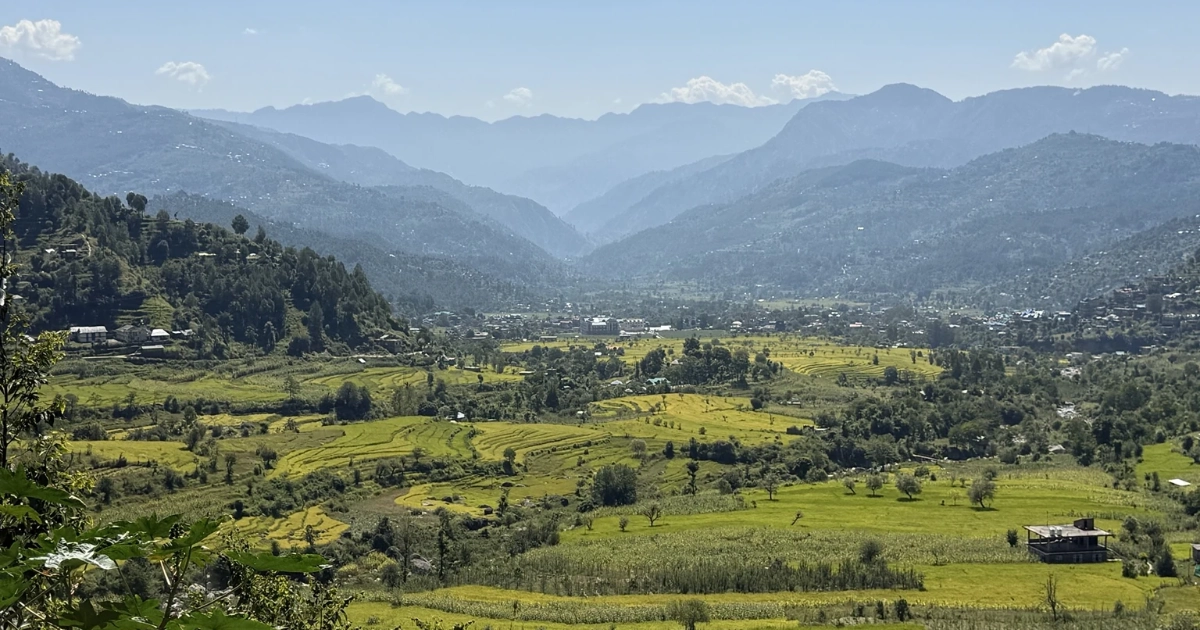
Traditional Himalayan villages may have existed within forest landscapes for generations with a relatively limited ecological footprint.
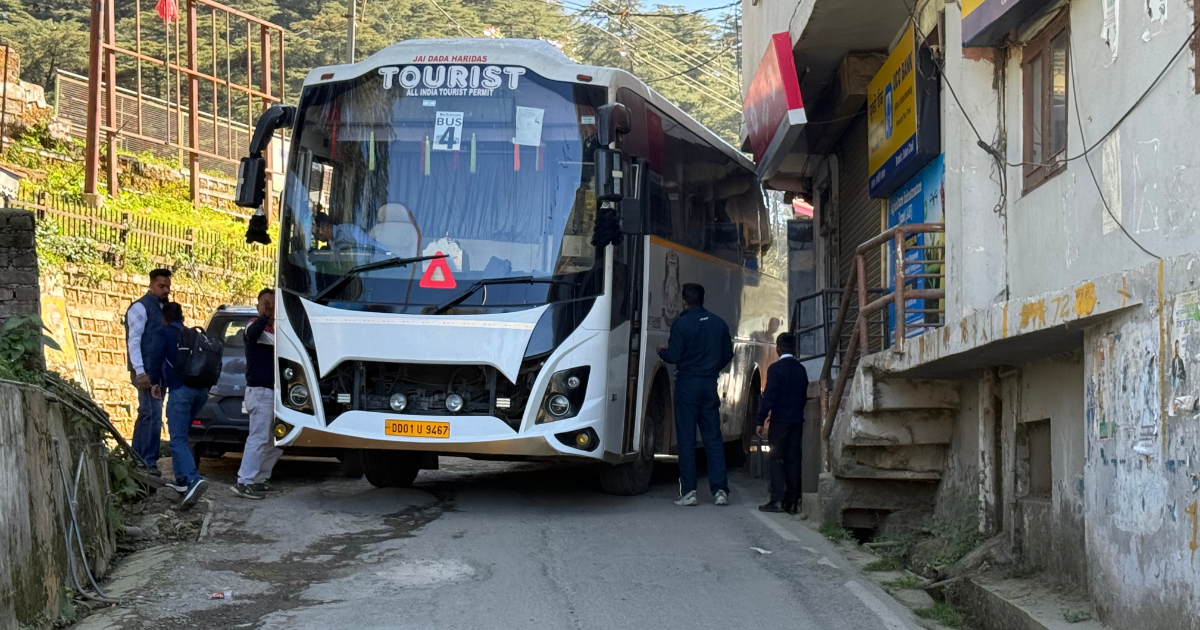
Over time, aspirations and requirements naturally change. Communities seek better healthcare, education, employment, communication and transport. Roads may be required, followed by widening and surfacing. Vehicle movement can increase. Shops, tourism activities and homestays may develop. Parking, electricity, water supply and additional construction may follow.
Each requirement, considered individually, may be reasonable.
The concern lies in their cumulative ecological impact.
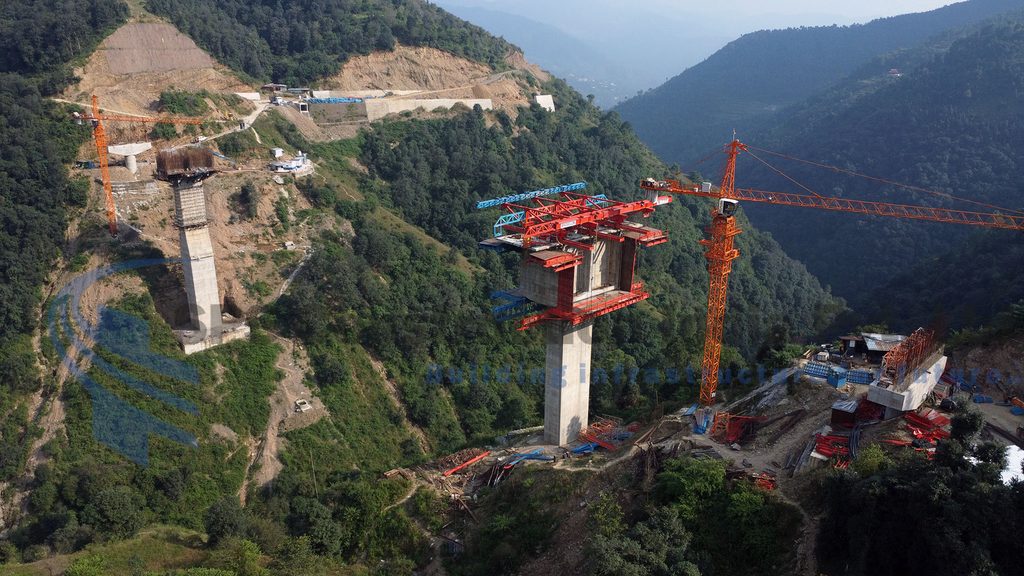
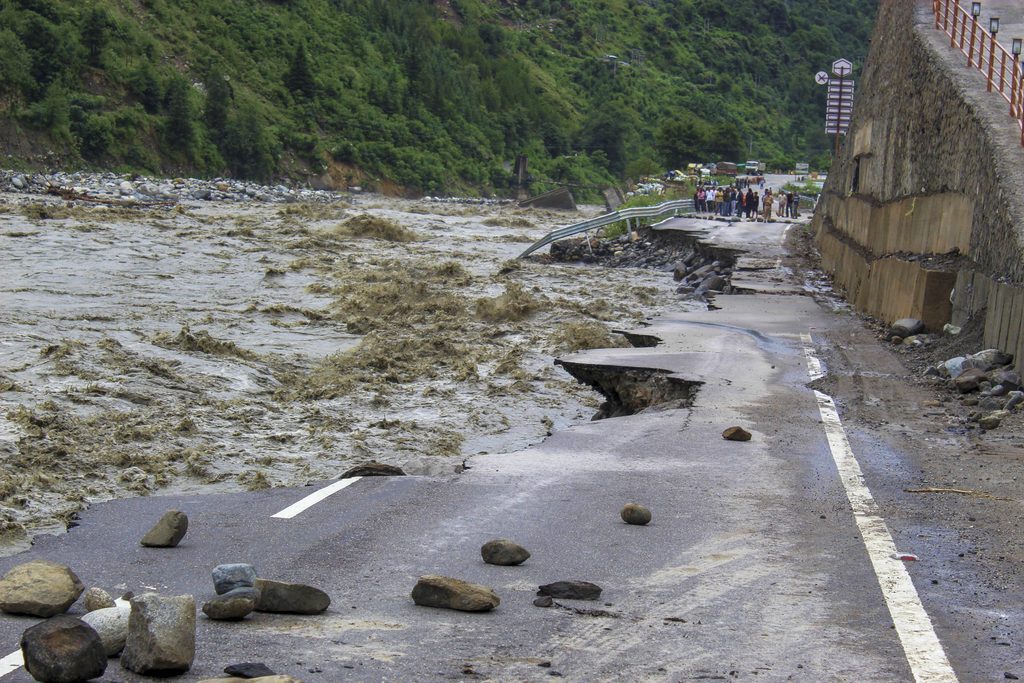
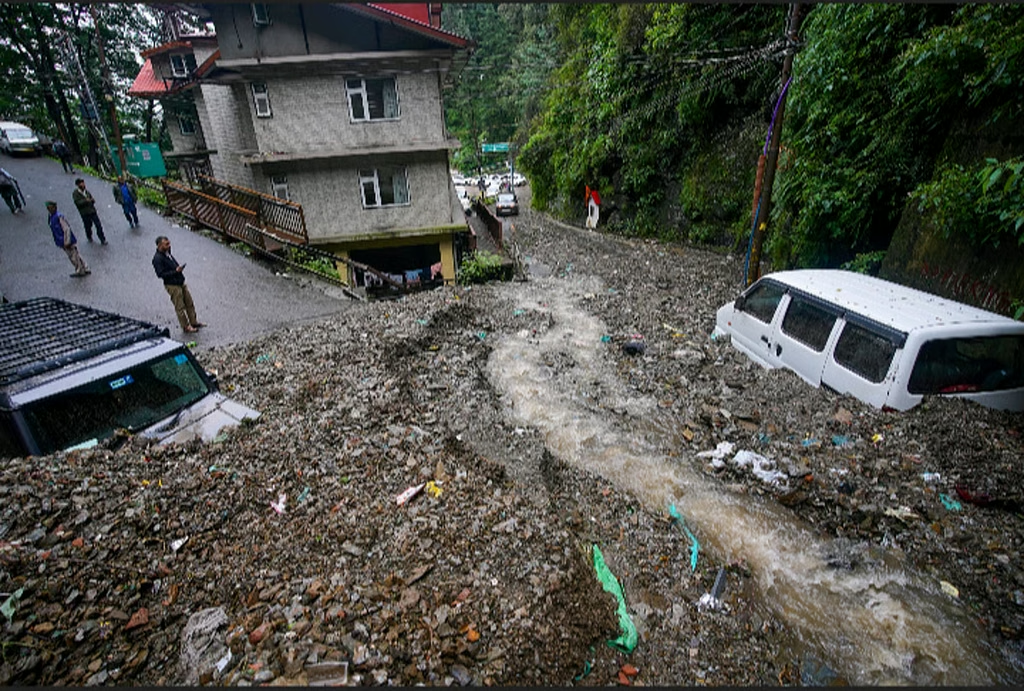
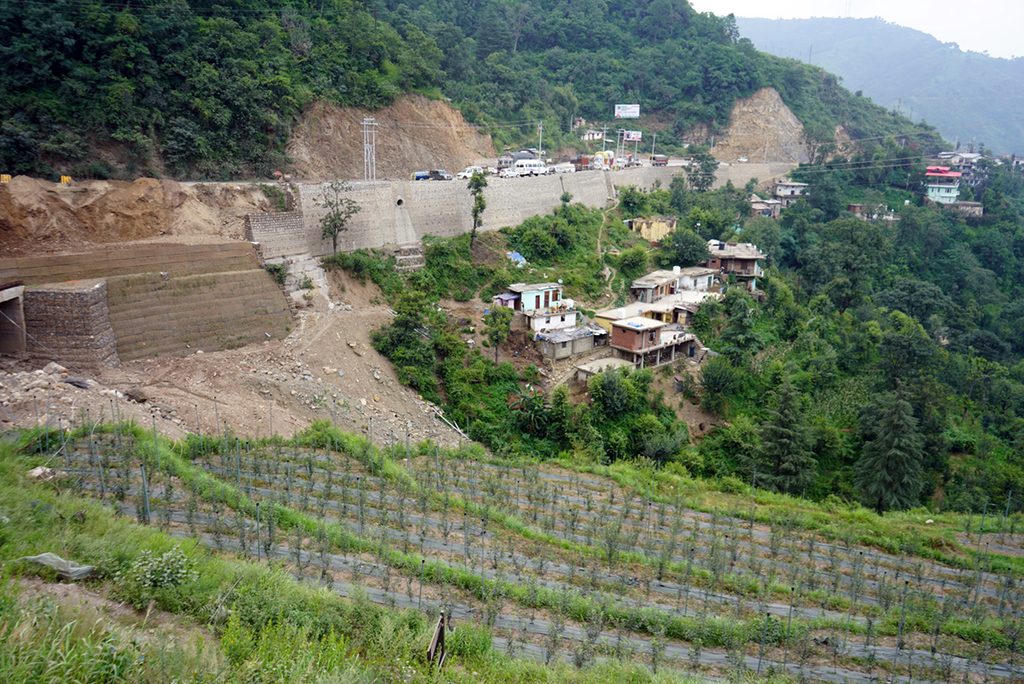
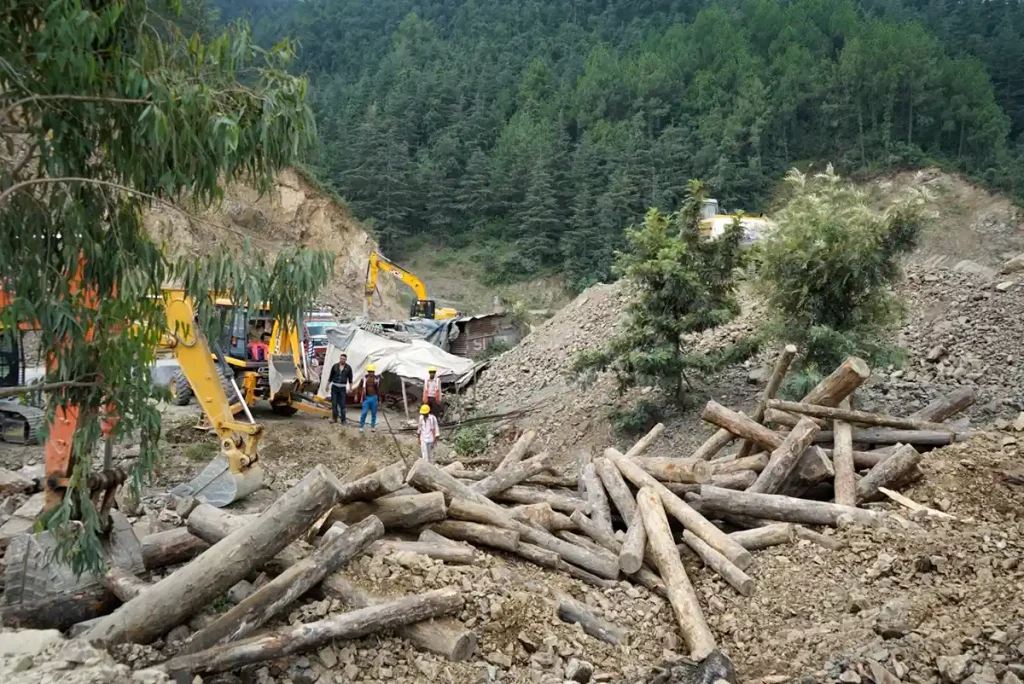
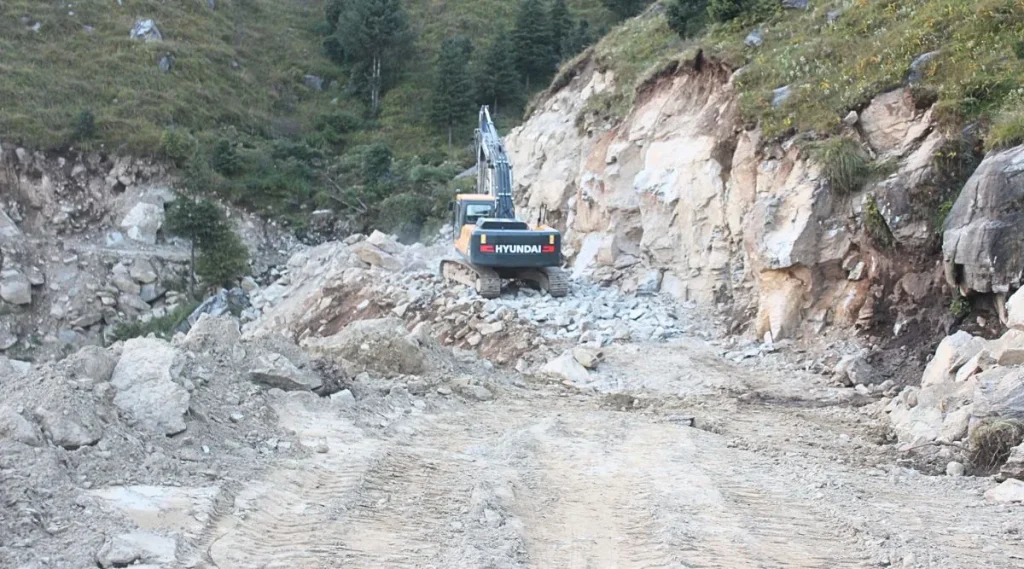
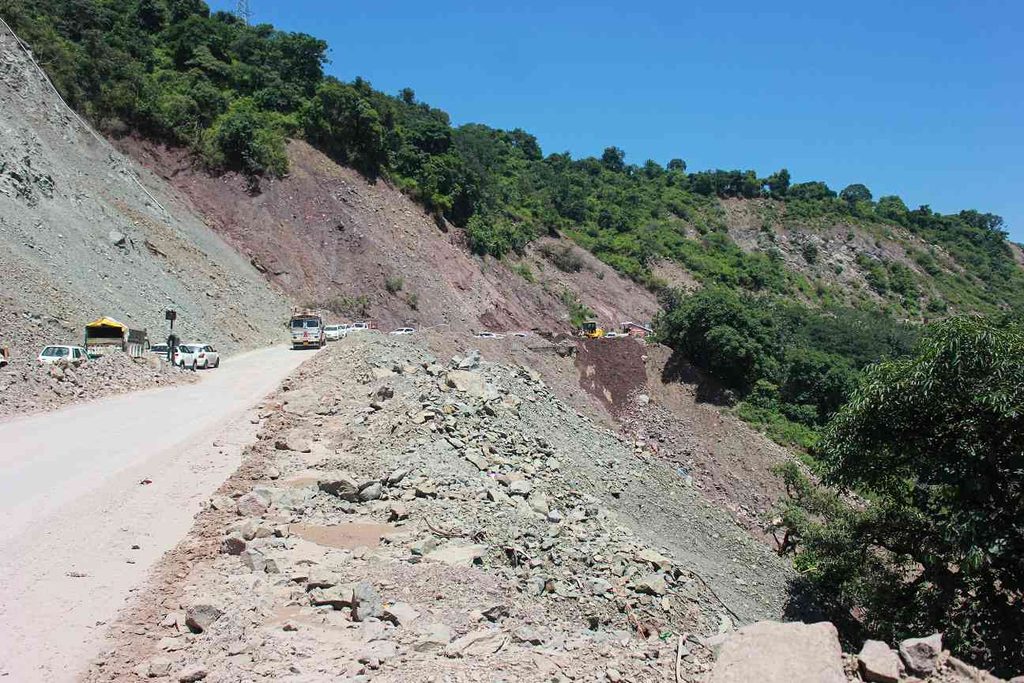
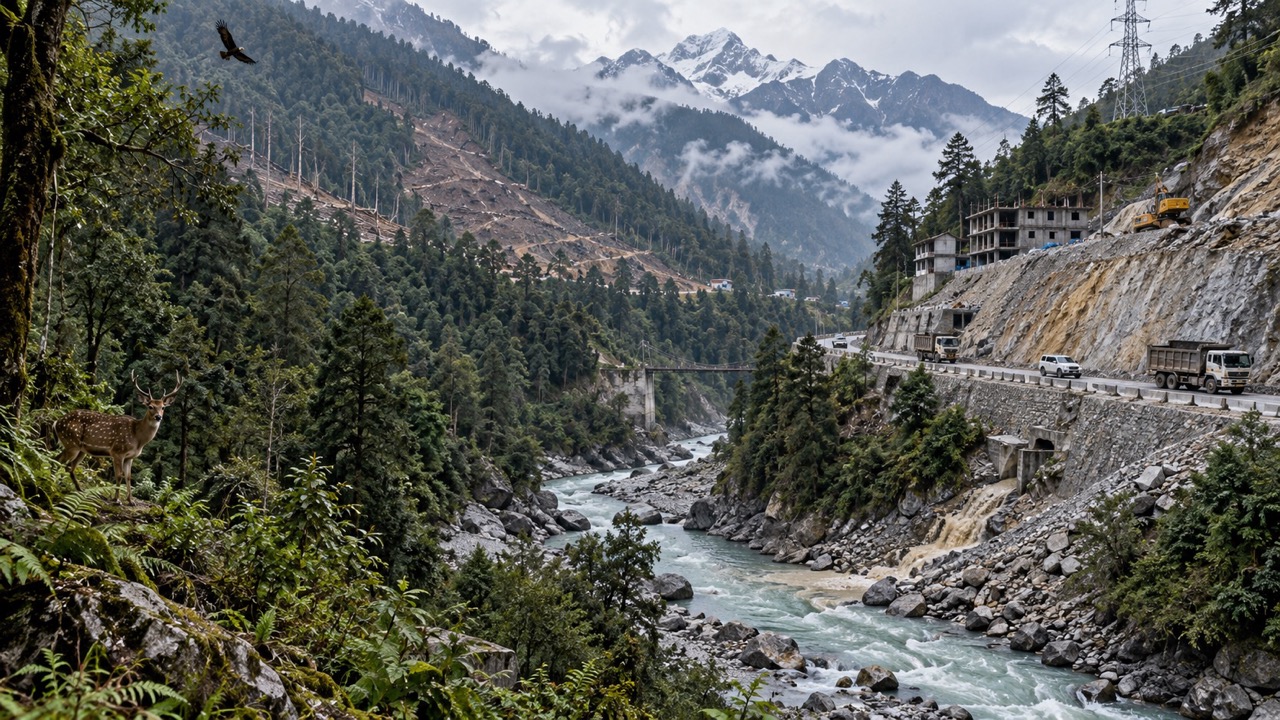
Expanding infrastructure can involve cutting mountain slopes, removing trees and fragmenting wildlife habitat. Springs and natural drainage systems can be disturbed. Construction debris may enter valleys and streams. Vehicle movement, noise and artificial lighting can extend into areas that were previously less disturbed.
Over time, a landscape may continue to remain protected on a map while gradually losing some of the ecological qualities for which it was protected.
This creates a difficult question. Should every form of modern physical infrastructure be extended into every ecologically fragile settlement regardless of cumulative environmental cost, or should society sometimes be prepared to offer communities a better future in a more suitable location?
Relocation Must Never Mean Punishment
Voluntary ecological relocation should never become a means of punishing people for living within an environmentally valuable landscape.
No family should be expected to sacrifice its future for conservation.
If relocation is considered in exceptional circumstances, the alternative must offer a genuine improvement in quality of life. Secure land and housing, healthcare, education, water, sanitation, connectivity, employment and livelihood opportunities should form part of meaningful rehabilitation.
Financial compensation alone should not be treated as complete rehabilitation.
The principle should be simple: no family should become poorer because it voluntarily participated in protecting an irreplaceable ecosystem.
Communities participating in such a process should be treated as partners in conservation, not as obstacles to it.
Not Every Forest Village Should Be Relocated
Many traditional communities have lived within forests for generations, and their knowledge, practices and stewardship may contribute to conservation.
Reserved Forests, Protected Forests, Wildlife Sanctuaries, National Parks and Eco Sensitive Zones are also governed through different legal and regulatory frameworks. Communities may hold recognised, statutory or customary rights that must be respected.
Living within a forest or protected landscape cannot, by itself, justify relocation.
Any consideration of voluntary ecological relocation should therefore be limited to exceptional circumstances and should follow proper ecological assessment, recognition of existing rights and meaningful participation by the affected community.
The approach must remain selective, scientific, voluntary and respectful of rights.
Vacated Land Must Return to Nature
Any credible ecological relocation framework would also require a firm safeguard for the land that communities leave behind.
If people voluntarily move from a landscape specifically for conservation, that land should not later be opened for hotels, resorts, commercial complexes, large parking areas or other major infrastructure.
Otherwise, conservation could become a justification for simply transferring land from one form of human use to another.
The principle should be clear: land voluntarily vacated for ecological conservation should remain dedicated to ecological recovery and should not become available for subsequent commercial exploitation.
Where feasible, disturbed areas and unnecessary roads should be restored. Native vegetation should be allowed to recover. Wildlife corridors should be reconnected and watersheds should be given the opportunity to regenerate.
Relocation for conservation should ultimately lead to restoration.
Ecological Responsibility Cannot Apply Only to Villagers
Conservation obligations cannot fall only on communities living within fragile landscapes.
Governments, contractors, tourism businesses, religious institutions and visitors must also recognise ecological limits.
It would contradict the purpose of conservation to relocate a community because its infrastructure requirements are considered incompatible with a fragile ecosystem and then permit major tourism or commercial infrastructure in the same landscape.
Nature experiences the cumulative impact of human activity regardless of whether that impact comes from a resident, a government department, a contractor, a hotel or a visitor.
Ecological discipline therefore has to apply to everyone.
Development, Dignity and Ecological Survival
Every Himalayan citizen deserves access to education, healthcare, connectivity, economic opportunity and a life of dignity.
But development does not necessarily require identical physical infrastructure in every geographical location.
There may be places where technology can provide essential services while reducing physical disturbance.
There may be many places where communities and conservation can continue to coexist successfully.
And there may also be exceptional landscapes where the infrastructure required by a modern settlement eventually becomes difficult to reconcile with the survival of an exceptionally fragile ecosystem.
In such circumstances, the humane response should not be to keep communities without opportunities.
Nor should the response be to allow an irreplaceable ecosystem to be gradually lost.
A serious conservation policy should be capable of considering a third possibility: give people the opportunity to move forward voluntarily, with dignity and adequate support, while giving nature the opportunity to recover.
A New Principle for the Himalayas
India has experience with relocation and rehabilitation when major infrastructure and other projects are considered necessary in the larger public interest.
This raises another question worth examining.
If society is prepared to invest significant resources when relocation is considered necessary for infrastructure and development, should it also be prepared to invest seriously in voluntary and generous rehabilitation when an exceptionally important forest, wildlife habitat, corridor or watershed is at stake?
Such an approach would require strict safeguards.
Relocation would have to be voluntary. Existing rights would have to be recognised. Rehabilitation would have to improve rather than diminish people’s lives. Decisions would need to be based on ecological assessment and meaningful community participation. Most importantly, the vacated landscape would have to receive permanent protection and genuine ecological restoration.
This is not an argument for forcibly removing people from forests.
It is not an argument for denying Himalayan communities modern facilities, prosperity or a better quality of life.
It is a proposal for considering whether, in rare situations where permanent infrastructure and the survival of an irreplaceable ecosystem become genuinely difficult to reconcile, a carefully designed voluntary alternative could serve both people and nature.
The Himalayas are not simply land awaiting development. They are an ecological inheritance passed from one generation to the next.
The measure of our relationship with these mountains may ultimately depend not only on what we choose to build, but also on what we consciously choose to protect, restore and leave to nature.
This proposal deserves serious public discussion as Himalayan communities, governments and society consider the increasingly difficult choices surrounding development, conservation and the future of fragile mountain landscapes.
Related Articles
More stories and updates worth exploring from our journey.