Landscape Impact Watch: From the Mountains to the Sea, One Ecology, One Responsibility

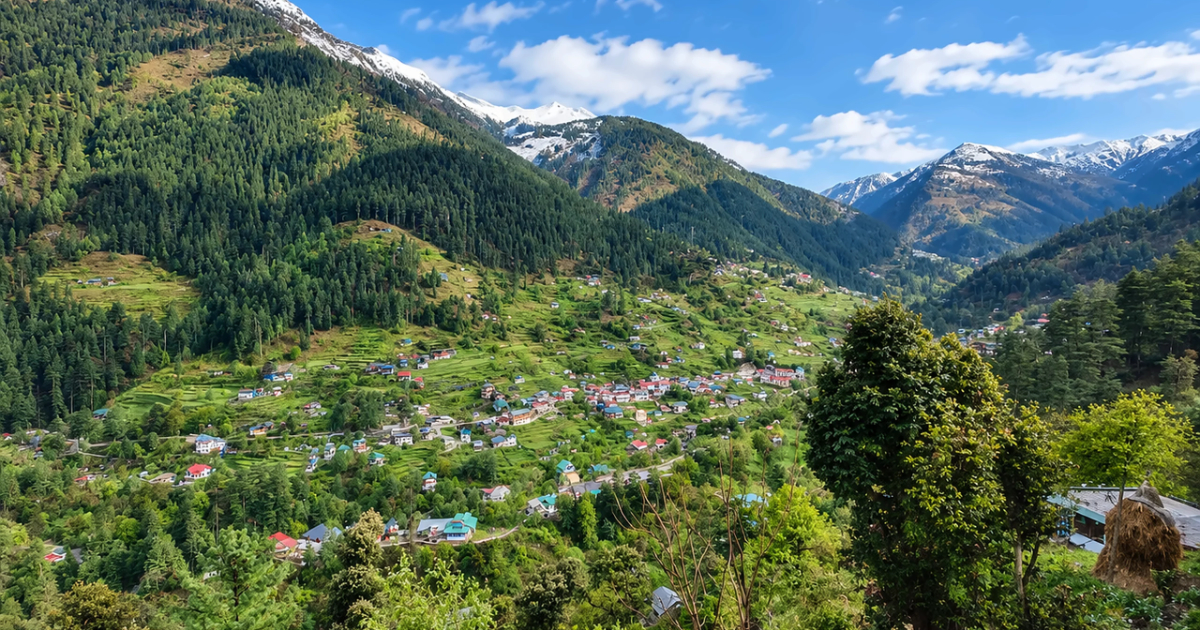
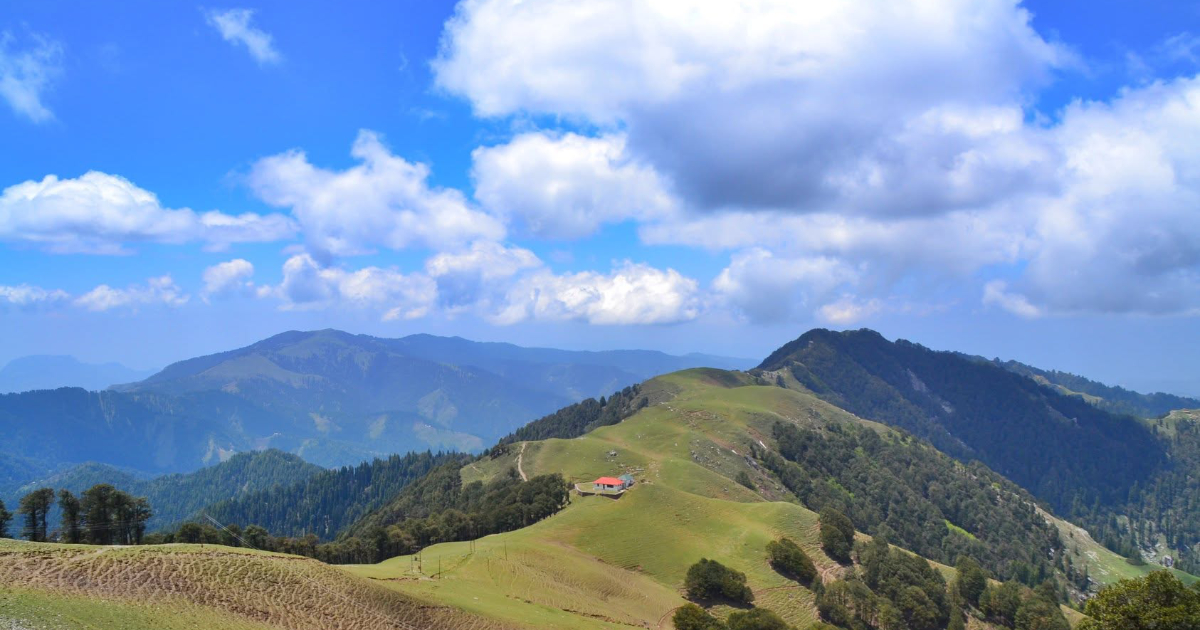
For months, our environmental attention has remained focused on the Himalayas, where forests are disappearing, slopes are being disturbed, springs are drying, watersheds are being damaged, and roads, construction and tourism are placing increasing pressure on fragile landscapes.
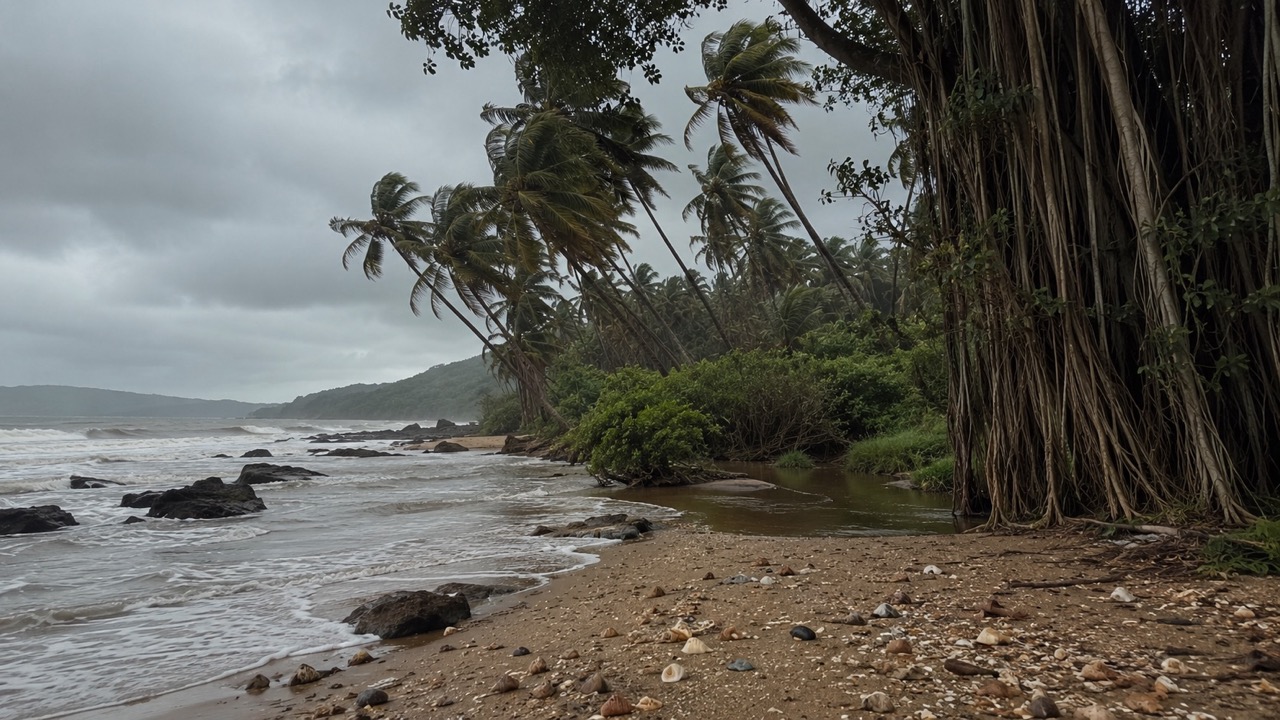
Standing on the coast of Goa, the landscape appears completely different. Yet the environmental story remains deeply connected.
The Landscape Changes, but the Pressures Continue
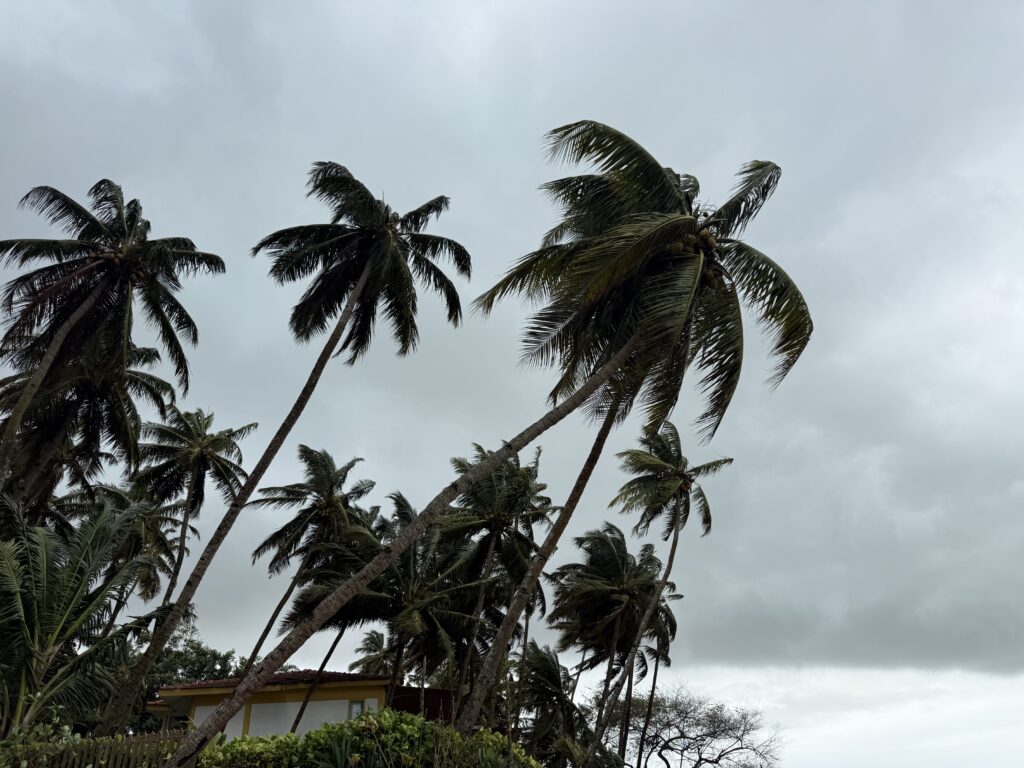
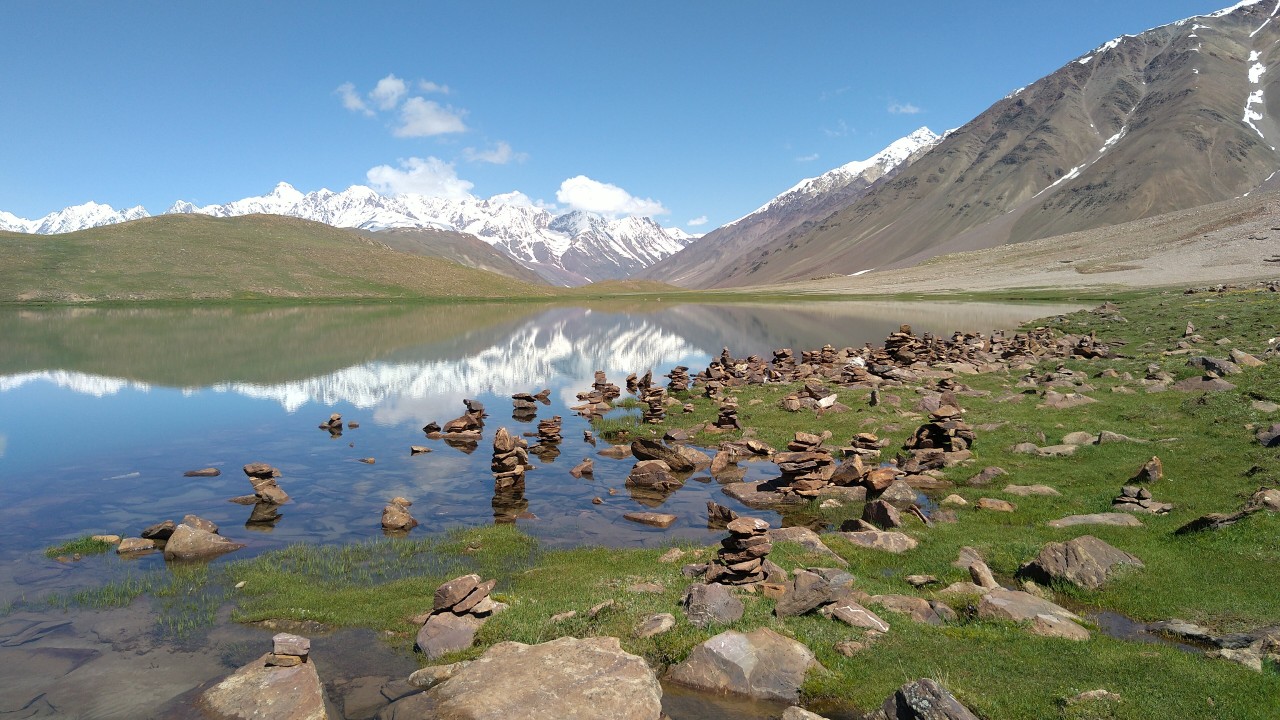
In the Himalayas, the natural world is shaped by mountains, forests, springs, rivers and exposed rock faces. Along the coast, these give way to the sea, mangroves, coastal groves, estuaries, wetlands and intertidal habitats.
The physical setting may change, but many of the pressures do not.
Tourism, construction, waste and climate change continue to affect natural systems. Their forms may differ from one region to another, but their ecological consequences are connected.
This reminds us that environmental responsibility cannot be limited to one type of landscape.
A Beach Is More Than a Place for Recreation
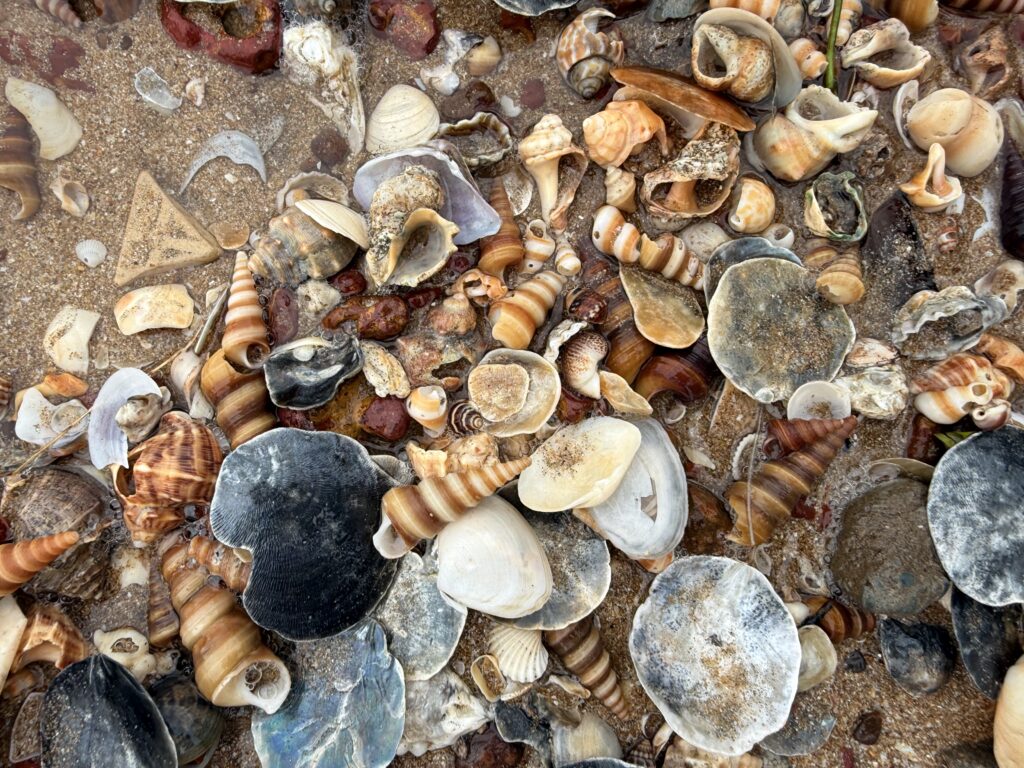
A beach may appear to be an open space for recreation, but closer observation reveals a complex living environment.
Shells scattered along the shore are remnants of a vast marine community. Rocks that are repeatedly submerged and exposed by the tides support another living world. Each part of the shoreline participates in a larger ecological system.
Coastal vegetation also performs an important protective role. It helps hold the soil against wind and water. Mangroves and wetlands absorb floodwaters, provide shelter for juvenile marine life, and create a biological connection between land and sea.
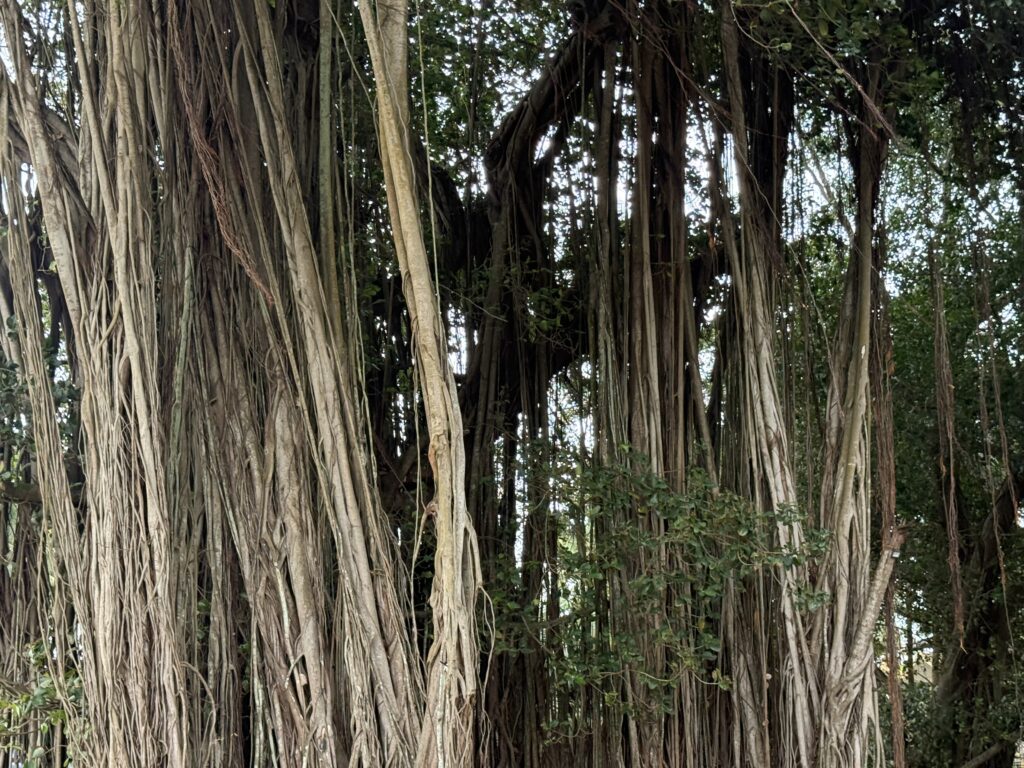
Even an old banyan tree is not simply an individual tree. Its trunks, branches, roots and surrounding vegetation form an ecosystem that has developed over generations.
The Restless Monsoon Sea
The monsoon sea offers another reminder of nature’s scale and power.
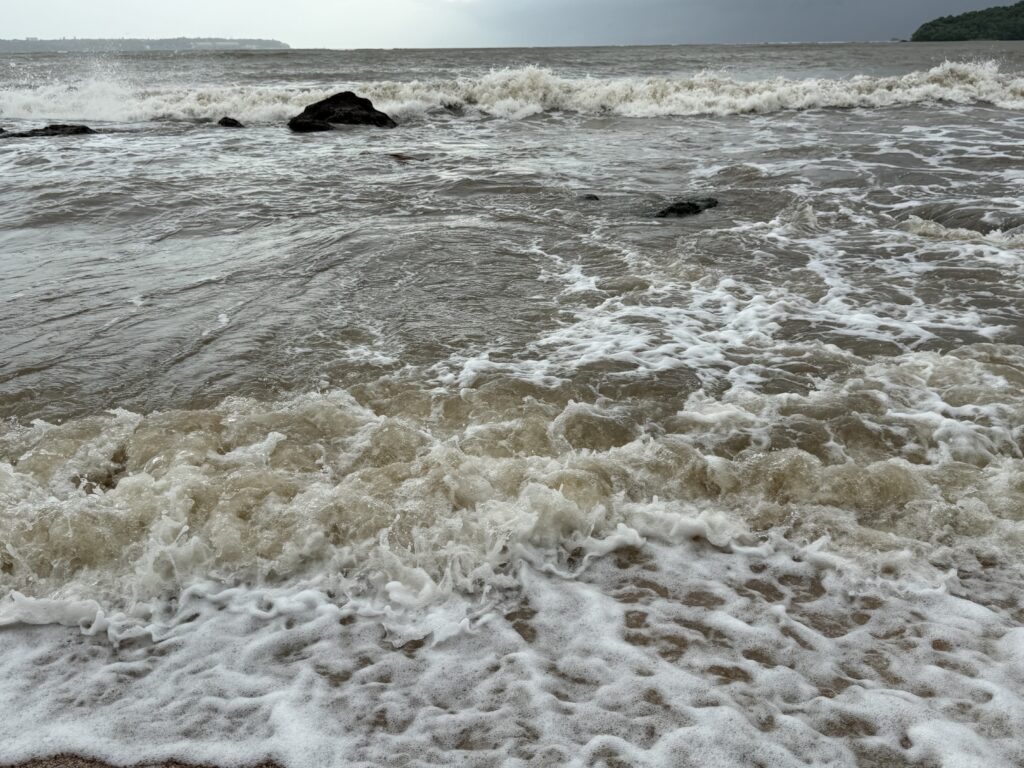
It is restless, forceful and unaffected by the administrative boundaries that humans draw across maps. Waves, winds, rainfall and flowing water move through landscapes without recognising district or state borders.
Environmental damage behaves in much the same way. Its consequences rarely remain confined to the place where they begin.
Water Connects the Mountains and the Sea
A river may begin as rainfall in the mountains, move through forests and settlements, cross the plains, and eventually enter an estuary or ocean.
Along this journey, it carries the consequences of what happens upstream. Damage to forests, slopes, springs and watersheds can influence ecosystems far beyond the mountains where the disturbance first occurred.
The connection also works in the other direction. The health of estuaries, wetlands and coastal habitats reflects the condition of the wider landscapes and water systems that feed them.
The Himalayas and the Arabian Sea may appear to belong to two separate worlds. Ecologically, they are part of the same story.
One Ecology, One Responsibility
Conservation cannot stop at a forest boundary, shoreline, district or state.
Protecting nature requires us to recognise the connections between forests and oceans, springs and estuaries, mountains and coastlines. Every landscape forms part of a wider living system.
From the mountains to the sea, ecological responsibility remains shared. What we protect in one place can support life far beyond it, and what we damage can travel much further than we imagine.
Related Articles
More stories and updates worth exploring from our journey.