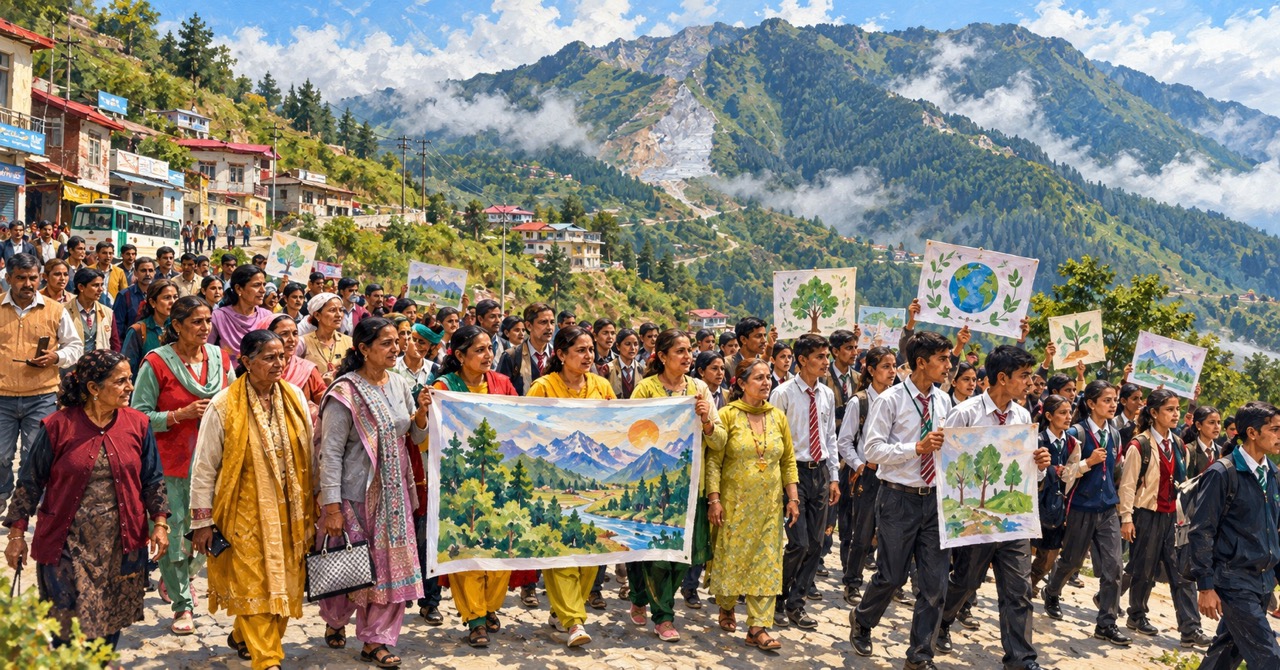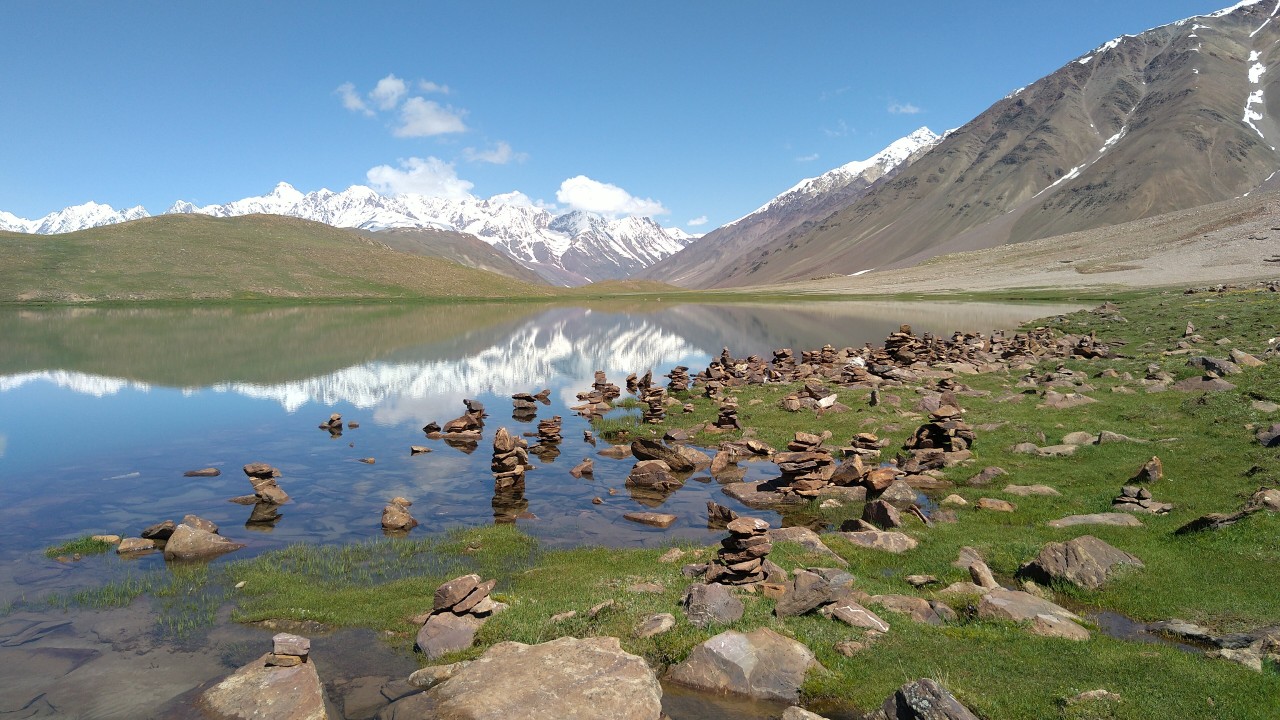
Protecting Himachal Pradesh’s Forests, Wetlands and Ecologically Fragile Himalayan Regions

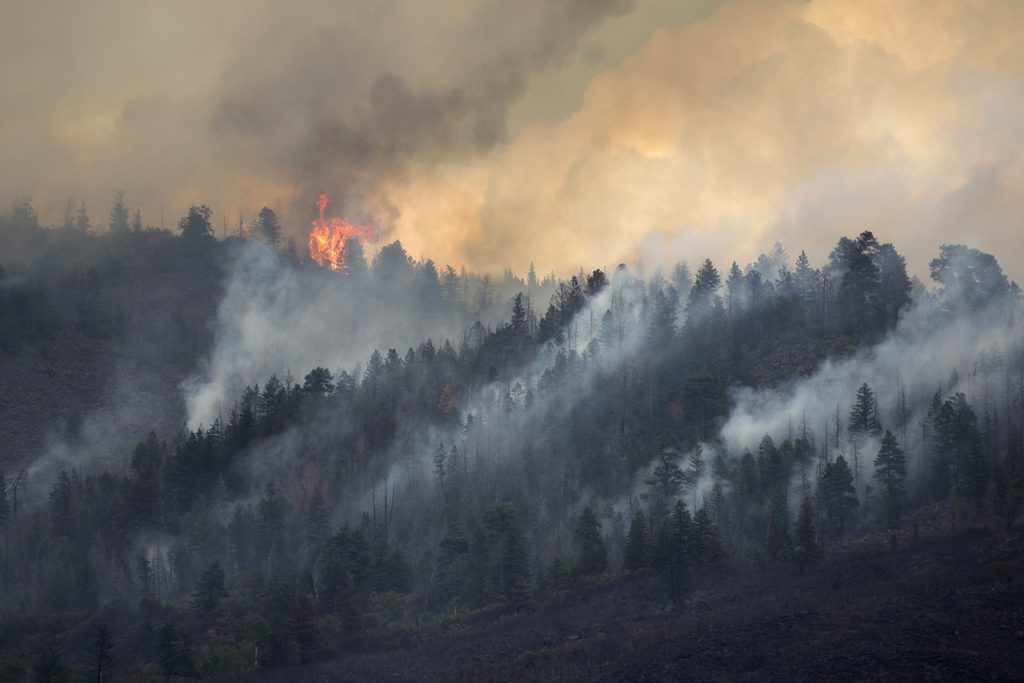
Himachal Pradesh’s Himalayan environment faces growing pressures from infrastructure expansion, deforestation, changes to natural drainage systems, tourism related waste, encroachments and changing land use. Through environmental documentation, field observations, official information gathering and ecological restoration initiatives, we continue to examine concerns affecting forests, wetlands and other sensitive landscapes while maintaining full respect for ongoing judicial processes.
Environmental Protection and the Judicial Process
Some environmental issues pursued by us are connected with proceedings before the Hon’ble High Court of Himachal Pradesh. As these matters are sub judice, our role in public communication is to provide factual information about our environmental initiatives without prejudging contested questions or influencing pending proceedings.
Questions relating to statutory compliance, responsibility, alleged violations and remedial action remain matters for determination by the competent authorities and courts on the basis of evidence and applicable law.
Protection of Forests and Examination of Road Construction Activities
One matter concerns CWP No. 6126/2024, Vijayendra Pal Singh & Others versus State of Himachal Pradesh & Others. The writ petition concerns allegations involving the felling of forest trees and construction of roads within Demarcated Protected Forests and other notified areas.
Recognising the environmental questions raised in the proceedings, we prepared an application dated 19 August 2025 under Order I Rule 10 read with Section 151 of the Code of Civil Procedure, seeking permission to participate in the proceedings as a respondent.
Through the proposed intervention, we seek to assist the Hon’ble Court by contributing field observations, environmental knowledge and practical proposals for ecological restoration. The areas of concern include:
- Protection of demarcated and other notified forests.
- Verification of statutory permissions for forest related construction.
- Examination of the environmental consequences of road cutting, slope destabilisation and tree felling.
- Restoration of disturbed forest areas through afforestation and ecological monitoring.
- Greater transparency and accountability in activities affecting Himalayan forests.
The proposed involvement is intended to support environmental protection within the existing scope of the proceedings without prejudicing the rights of any party. The outcome and procedural status of the application remain subject to verification from the latest judicial record.
Conservation of Renuka Wetland and Wildlife Sanctuary
Another important environmental matter relates to CWPIL No. 19 of 2017, Court on Its Own Motion versus State of Himachal Pradesh.
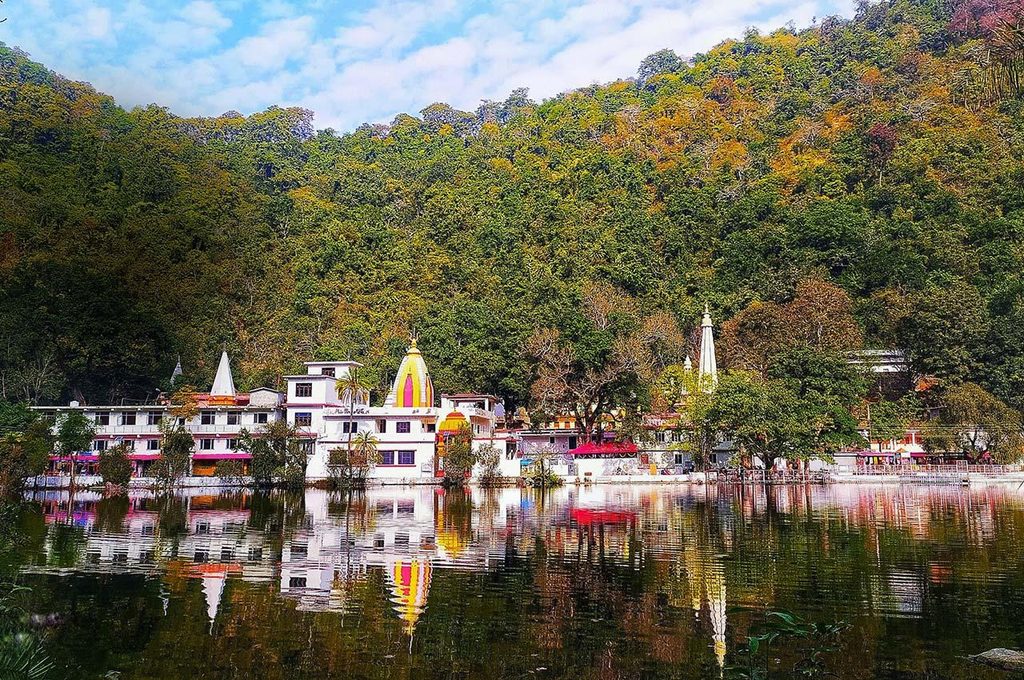
Renuka Wetland in District Sirmaur is a Ramsar site with considerable ecological, cultural and religious importance. A report dated 5 December 2024, submitted before the Hon’ble High Court by the appointed Amicus Curiae, Advocate Deven Krishan Khanna, examined a number of conservation and management challenges affecting the wetland and its surrounding sanctuary.
The report includes contributions identified from us and other non-governmental organisations. Environmental concerns discussed in the report include:
- Plastic pollution and shortcomings in solid waste management.
- Ecological pressures associated with the annual Renuka Fair.
- Soil erosion, sedimentation and degradation of aquatic habitats.
- Concerns relating to encroachments and land use management.
- Wildlife protection and management of animal facilities.
- Water quality monitoring and accountability in conservation funding.
The report recommends improvements in waste management, ecological monitoring, habitat restoration, sanitation, enforcement and financial transparency.
We support the broader objective of preserving Renuka as a healthy wetland and wildlife habitat while respecting its cultural and religious significance. The findings and recommendations contained in the Amicus Curiae’s report are submissions for judicial consideration and should not be interpreted as final findings or directions of the Hon’ble Court.
Environmental Monitoring Across Himachal Pradesh
Our environmental work extends beyond the matters connected with judicial proceedings. We continue to document and examine environmental concerns across several ecologically sensitive areas of Himachal Pradesh.
Areas of continuing work include the Shikari Devi landscape in Mandi district, the Churdhar massif, forest areas in Solan district, the Jibhi-Banjar region of Kullu, and environmental concerns associated with mineral transportation in Sirmaur.
This work involves site visits, photographic documentation, geospatial observations, examination of satellite imagery, correspondence with public authorities and applications under the Right to Information Act, 2005.
These initiatives are intended to establish reliable environmental records and encourage informed examination of activities that may affect sensitive ecosystems. Inclusion of an issue in our environmental monitoring programme does not mean that an illegality has been established or that every issue forms part of ongoing judicial proceedings.
Transparency, Participation and Ecological Restoration
Effective environmental protection requires participation from communities, scientific institutions, responsible public authorities and civil society. Our approach focuses on obtaining verifiable information, encouraging transparent administration, supporting field based environmental research and promoting practical restoration measures.
Our continuing environmental priorities include afforestation, biodiversity conservation, responsible tourism, protection of water resources and public environmental education. These efforts are intended to strengthen ecological awareness while encouraging responsible decision making based on evidence and environmental safeguards.
Respect for Pending Judicial Proceedings
We have full faith in the independence of the judiciary and in the constitutional processes established for environmental protection.
Our public communications are not intended to influence pending proceedings, prejudge contested matters or attribute wrongdoing to any individual or institution without due determination. Updates concerning judicial matters will be based on verified public records, official directions and appropriate legal advice.
Maintaining this distinction is essential to responsible environmental communication. Environmental concerns can be documented and examined while questions of legal responsibility and compliance remain for the competent authorities and courts to determine.
A Shared Responsibility for the Himalayas
Citizens, researchers, students and environmental volunteers can contribute meaningfully to the protection of Himachal Pradesh’s forests, wetlands, rivers, wildlife habitats and mountain landscapes.
Responsible observations, authentic photographs, dated records and constructive suggestions can strengthen environmental awareness and support evidence based conservation efforts.
Protecting the Himalayas is not a matter of opposing development. It is a commitment to ensuring that development respects ecological limits, statutory safeguards and the rights of future generations.
Related Articles
More stories and updates worth exploring from our journey.