What We Are Investigating: Building an Evidence Base on Environmental Violations in Himachal Pradesh

Through the Right to Information Act, 2005, we are building a documentary record around environmental concerns across Himachal Pradesh. The purpose is to understand what Government records show about permissions, monitoring, environmental safeguards, construction activity, visitor pressure, land use and other matters affecting sensitive landscapes.
Why We Use the Right to Information Act
Before approaching a court, tribunal or Government department, we try to establish what the official files actually say.
The Right to Information Act provides a formal mechanism for obtaining records from public authorities. The process can be slow and procedural. Applications may be transferred between offices, replies may be incomplete, additional fees may be requested, or information may be refused.
Despite these difficulties, RTI provides something that opinion cannot provide: a written official record.
These records can help establish what studies were carried out, what permissions were granted, what monitoring took place, which authority was responsible and whether the requested information exists within Government files.
Where information is refused, delayed or supplied incompletely, the appeal process provides a way to pursue the record further.
Matters Currently Under Investigation
Our current RTI work covers several environmental and related matters across Himachal Pradesh.
Shikari Devi Wildlife Sanctuary
The Shikari Devi Wildlife Sanctuary investigation includes 60 RTIs and appeals.
The enquiries examine road widening within the notified sanctuary, expenditure connected with road works before approval, carrying capacity, visitor management, entry gate outsourcing, solid waste, and permissions relating to tents and kiosks.
Information has been sought from authorities including the Wildlife Division, Forest Department, HPPWD, Tourism Department, State Environment Impact Assessment Authority, Pollution Control Board, Jal Shakti Vibhag, district administration, Block Development Offices and Gram Panchayats.
Thunag and Seraj Disaster
22 RTIs relate to the flood of 30 June to 1 July 2025 along the Shikari Devi access corridor.
The enquiries examine floodplain construction, muck and debris disposal associated with road works, and the absence of a notified building control regime.
Authorities approached include HPPWD, the State Disaster Management Authority, district administration, Block Development Office, Gram Panchayat and Panchayati Raj authorities.
Churdhar
The Churdhar investigation includes 18 RTIs and appeals.
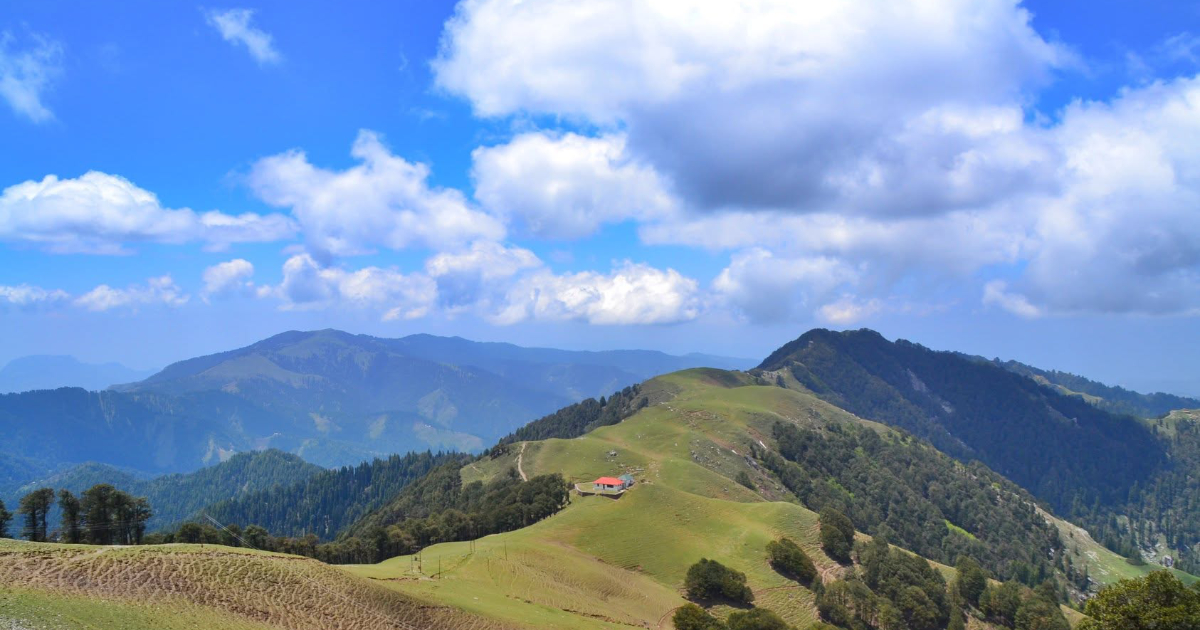
The enquiries concern two road approaches to the shrine, approximately 8 kilometres from Nohradhar and 5 kilometres from Sarain, together with nine or more trekking routes.
The investigation also examines carrying capacity, temple fund expenditure and possible impacts on water sources.
Information has been sought from forest, wildlife, tourism, pollution control, environmental, Jal Shakti and local administrative authorities.
Carrying Capacity Across Himachal Pradesh
16 RTIs form a wider enquiry into carrying capacity at high altitude pilgrimage and tourism locations.
The central question is whether any scientifically determined limit governs visitor and vehicle pressure at these sites, and whether such limits are monitored and enforced.
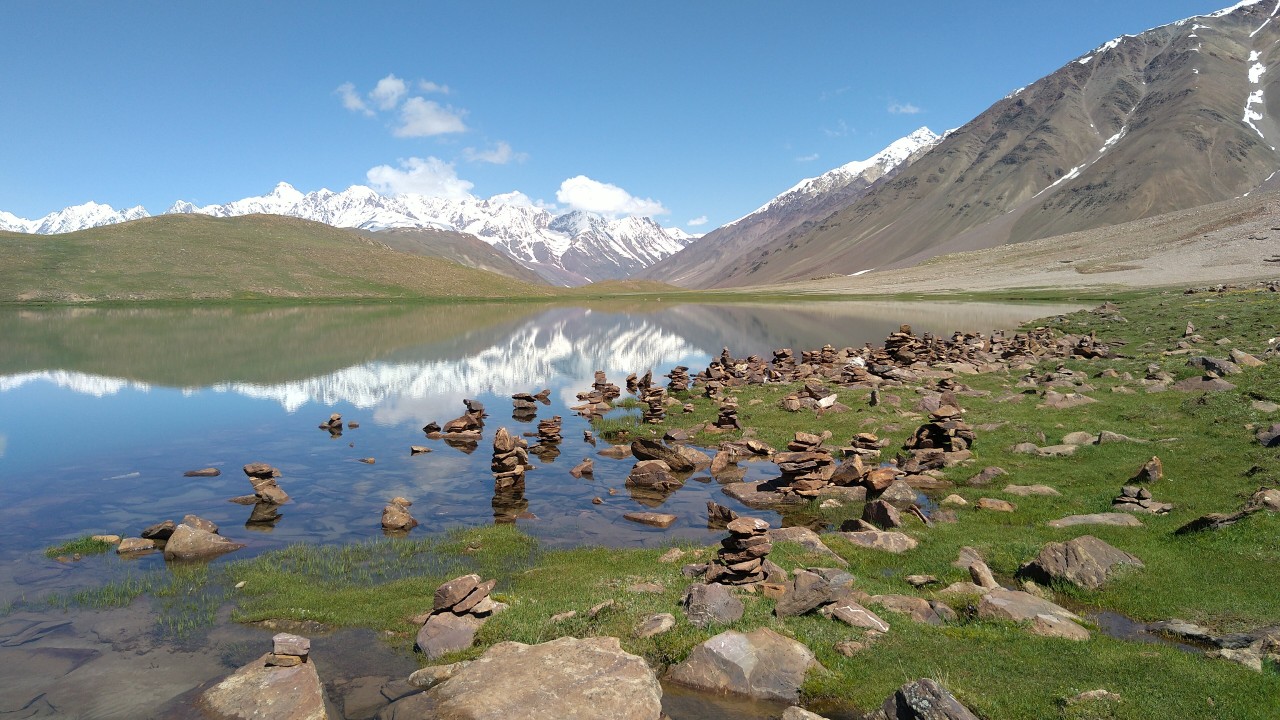
The enquiry covers Chandratal, Kinnaur Kailash, Bijli Mahadev, Jalori Pass and Serolsar Lake, Kharapathar and Giri Ganga, Chanshal, Bir Billing, Shrikhand Mahadev, Banjar and Churdhar.
Sangrah Limestone Mining
13 RTIs concern limestone mining in the Sangrah area.
The enquiries examine mining leases and renewals, land classification, forest land, transport infrastructure used by mining vehicles, and Panchayat consent and objections.
Information has been sought from district authorities, the Forest Department, District Mining Officer, HPPWD, Pollution Control Board, Block Development Office and Gram Panchayats.
Mehli Gusan Road
10 RTIs examine encroachment along the road corridor and the resulting traffic congestion.
Information has been sought from HPPWD, revenue authorities, the PMGSY Cell, local administration and the Gram Panchayat.
Section 118 of the HP Tenancy Act
7 RTIs examine permissions granted for land transfer between 2017 and 2024 concerning bona fide Himachali women married outside the State.
The enquiries have been addressed to the Deputy Commissioner, Shimla.
Karol ka Tibba
5 RTIs focus on hill cutting, degradation of the Karol massif and road construction activity.
Information has been sought from the Forest Department and district administration in Solan.
Forest Roads Across Himachal Pradesh
5 RTIs examine 2,183 roads identified as having been constructed in violation of the Forest (Conservation) Act, 1980, together with the policy concerning regularisation of encroachment on forest land.
The enquiries have been addressed to the Forest Department, Revenue Department and other State authorities.
Shimla Water Catchment
2 RTIs examine construction activity within the water catchment area and the Koti, Munghat and Gusan road network.
Mashobra Block
An RTI seeks information about the number of Panchayats in Mashobra Block and the hotels and homestays operating in each.
Municipal Committee Nahan
2 RTIs concern the delay in repair of the Shivpuri Talon road.
The enquiries have been addressed to the Municipal Committee Nahan and SDM Nahan.
What the Emerging Pattern Shows
Taken individually, these matters may appear unrelated. One concerns a road, another concerns mining, another visitor pressure, and another construction activity.
When the replies are considered together, recurring patterns begin to appear.
Across different sites, replies have stated that no scientific study has been carried out, that no monitoring record exists, that no violation has been detected, or that the requested information is not available with the office concerned.
Carrying capacity is one area where this pattern becomes particularly important.
At several locations, no carrying capacity assessment has been found on record. At others, a numerical limit exists, but the records obtained do not establish an ecological basis for how that figure was determined.
At Shikari Devi, a carrying capacity limit was assessed and incorporated into an approved Management Plan. However, the investigation has not identified a mechanism through which compliance with that limit could be measured.
This raises a wider question about environmental governance. Establishing a limit is only one part of environmental protection. Monitoring whether that limit is actually followed is equally important.
Looking at Cumulative Ecological Impact
A single road, building, tourism facility, mining activity or increase in visitor numbers may appear limited when examined in isolation.
Environmental impact, however, can accumulate across a landscape.
This is why Government records are important. They allow individual decisions to be examined within a wider environmental context.
RTI can help establish what was approved, what was studied, what was monitored, what information exists and which authority was responsible.
Where a department states that a record does not exist, that response itself becomes part of the evidence.
From Information to Further Action
RTI is the starting point, not the destination.
Records obtained through these enquiries have gone into proceedings before the Himachal Pradesh High Court and the National Green Tribunal, as well as representations made to the departments concerned.
Where information is refused or supplied incompletely, appeals are filed.
The purpose is to build a clear documentary record before a matter is taken further.
As additional replies are received and investigations progress, this evidence base will continue to develop.
Protecting Himachal Pradesh’s forests, mountains, water sources, wildlife and environmentally sensitive landscapes requires careful attention not only to individual projects, but also to their cumulative effect on nature.
Through RTI, we are working to understand that impact through the Government’s own records.
Related Articles
More stories and updates worth exploring from our journey.