Churdhar Road Expansion Sparks Ecological Debate in Himachal Pradesh

PSPK has raised ecological concerns over a government-sanctioned road that now makes 8 of the 18 kilometres of the traditional Churdhar pilgrimage route accessible by vehicle. The organisation is calling for a serious public discussion on carrying capacity, environmental assessment, and the long-term consequences for one of Himachal Pradesh’s most fragile high-altitude landscapes.
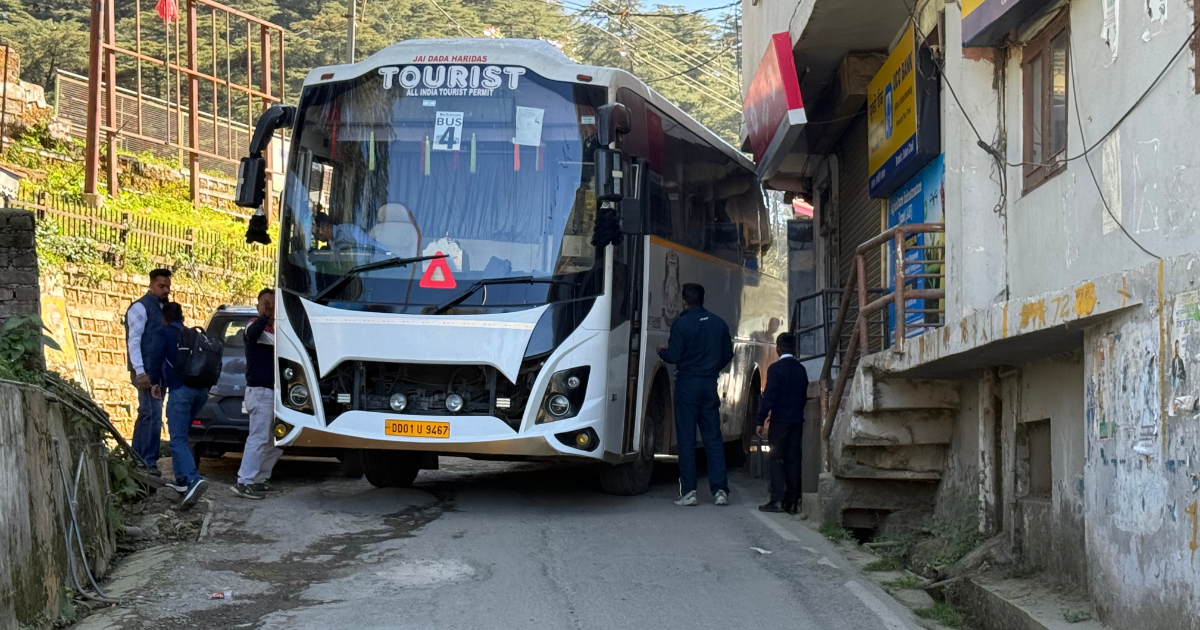
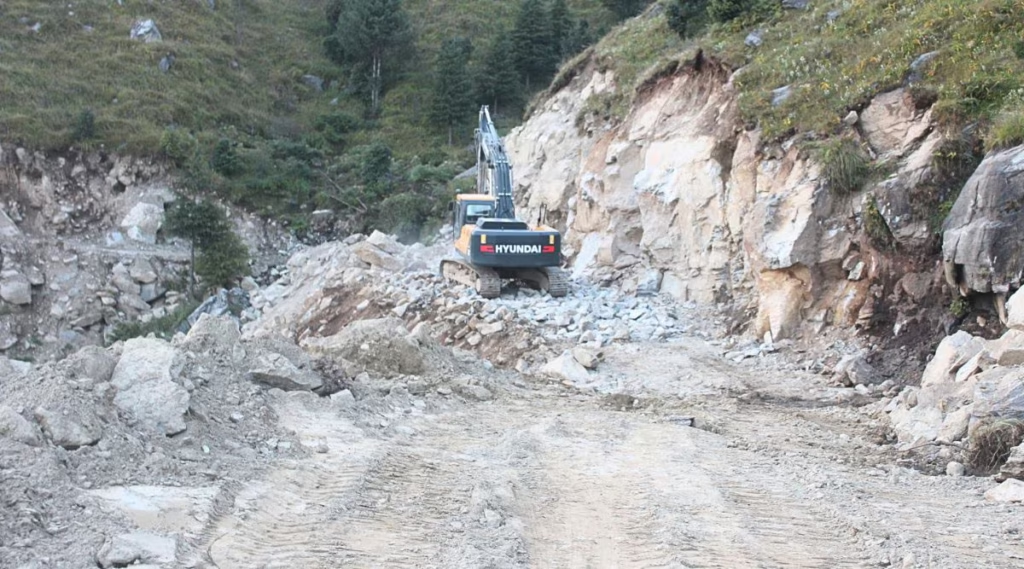
A promotional campaign celebrating road expansion toward the Churdhar shrine in Himachal Pradesh has prompted PSPK’s Himalayan Impact Watch to raise a set of important ecological questions. The campaign announced that approximately 8 kilometres of the traditional 18-kilometre uphill pilgrimage from Nohradhar are now accessible by vehicle, with further motorable access sanctioned by the government up to a point 10 kilometres short of the shrine.
The Churdhar peak, rising above 3,600 metres in the Sirmaur district, is one of the highest shrines in Himachal Pradesh. Beyond its religious significance, the surrounding landscape encompasses dense mountain forests, alpine meadows, seasonal streams, and wildlife habitats that form part of one of the state’s most ecologically sensitive zones.
A Pattern Repeating Across the Himalayas
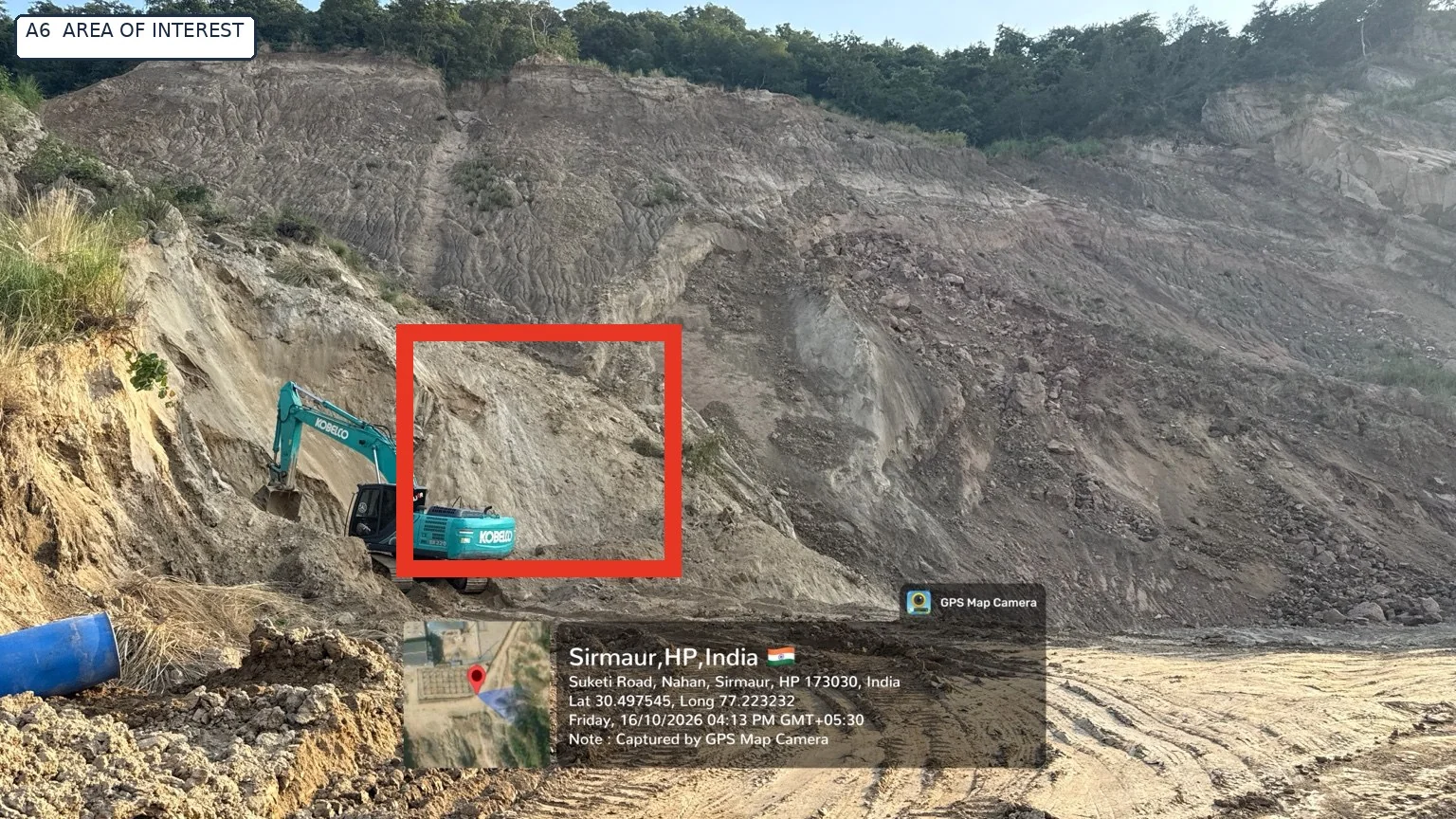
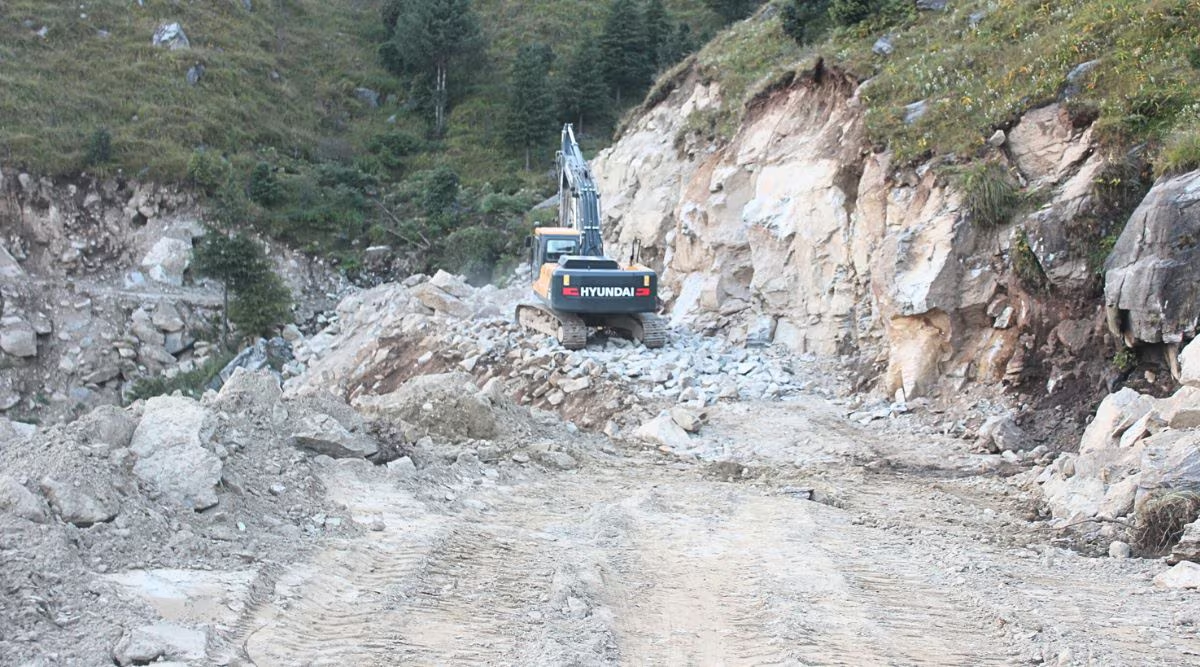
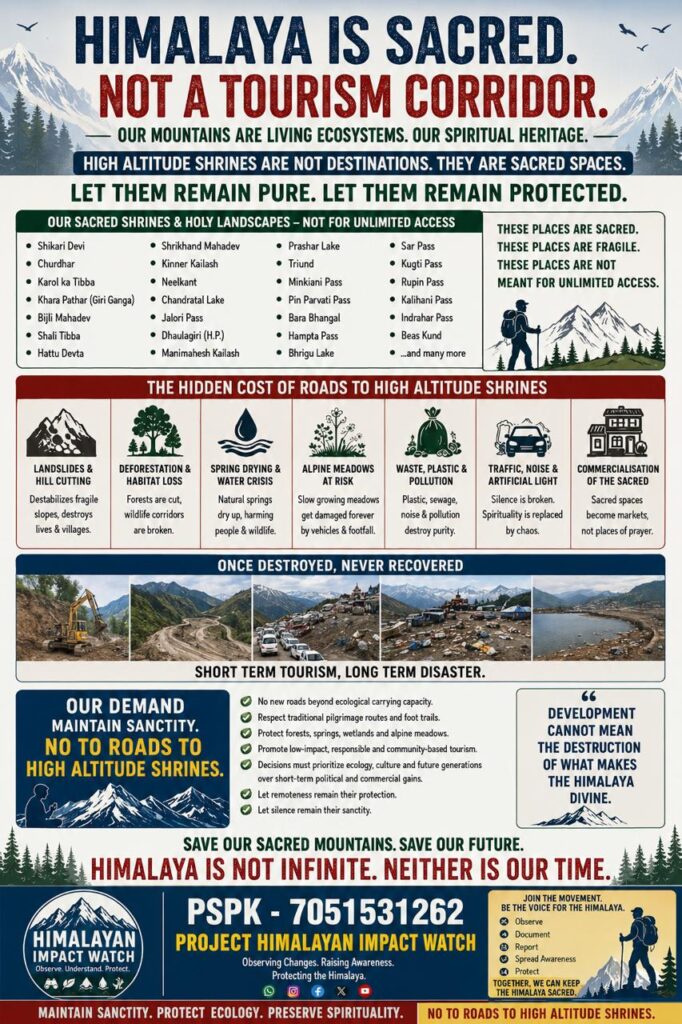
PSPK notes that road construction in steep mountain terrain is not a simple infrastructure activity. It typically involves hill cutting and blasting, fragmentation of forest cover, destabilisation of slopes, and dumping of debris into adjacent valleys and streams. Over time, these activities increase erosion, raise landslide risk, and introduce sustained noise and vehicular pollution into ecosystems that have little tolerance for such disturbance.
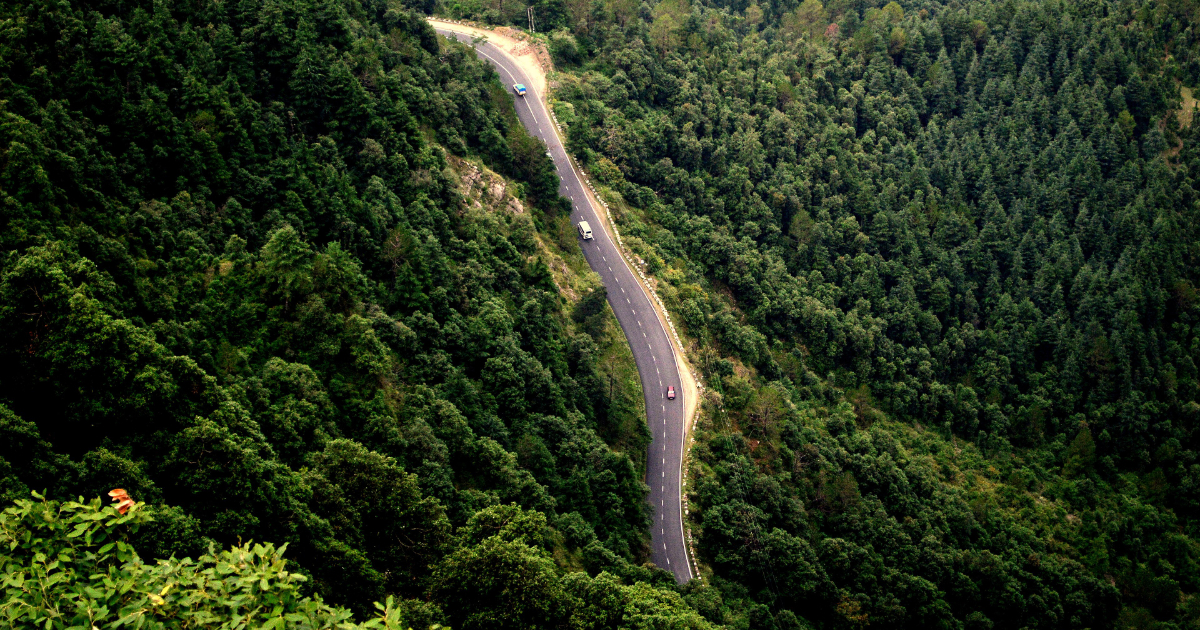
Major General Atul Kaushik, SM, VSM, writing for PSPK’s Himalayan Impact Watch, has pointed out that this is not an isolated case. Across the Himalayan region, remote shrines, alpine meadows, sacred lakes, and forest ridges are increasingly being opened through aggressive road expansion in the name of accessibility and development.
The concern is not about one road. It is about a recognisable pattern: what is initially presented as a modest access route tends to evolve over years into road-widening demands, parking areas, hotels, commercial establishments, waste accumulation, and traffic congestion. Once set in motion, this chain of changes is difficult to reverse, and the landscapes it affects are rarely able to recover.
Construction Already Underway Inside the Wildlife Sanctuary
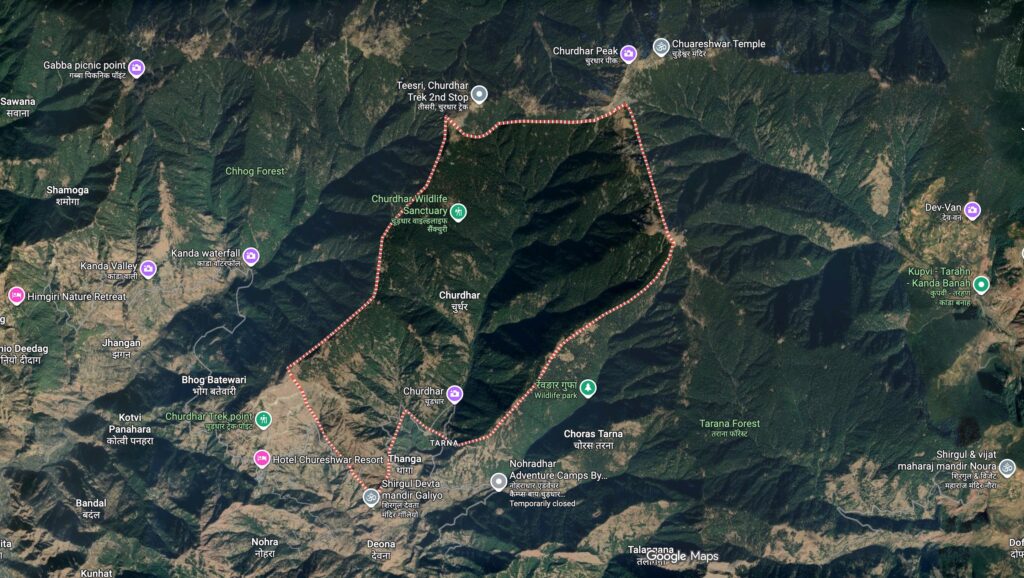
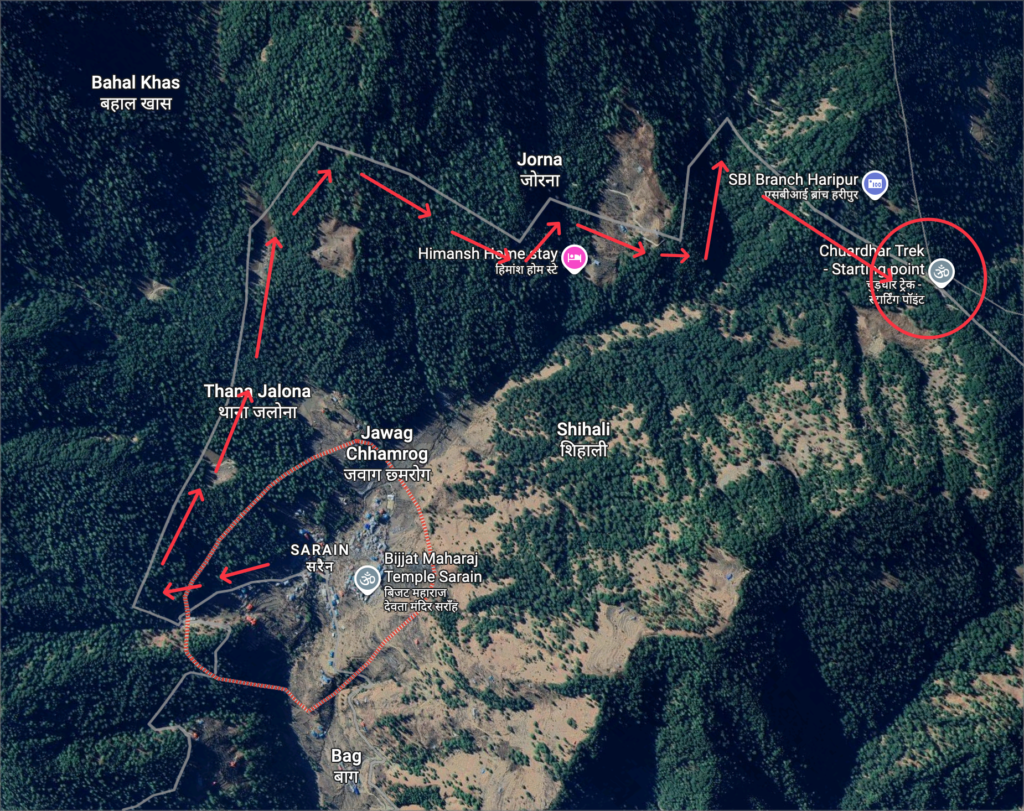
The concern is not limited to future expansion. A road approximately 3.5 kilometres in length has already been constructed through the Churdhar Wildlife Sanctuary, running from Saharan toward the Churdhar trekking point. The construction of a road inside a notified wildlife sanctuary raises serious questions about compliance with environmental regulations and forest protection laws. The matter has reached the judiciary. The High Court has taken cognizance of this development and has directed that further work be stopped. The fact that court intervention was required to halt construction inside a protected sanctuary underlines the urgency of the broader concerns being raised about this project.
The Ecological Stakes
The Himalayas are geologically young and remain climatically vulnerable. The cumulative impact of every new road through steep mountain forests is felt not only in terms of biodiversity and forest cover, but also in the integrity of water systems. Communities living downstream depend on the ecological stability of these upper watersheds. Disrupting that stability carries consequences that extend far beyond the immediate road corridor.
PSPK is clear that local communities in remote mountain regions deserve connectivity. The question the organisation raises is a different one: whether every ecologically sensitive high-altitude shrine must be brought to the edge of motorable access, particularly when this happens without transparent cumulative environmental assessments, carrying-capacity studies, or adequate public consultation.
Pilgrimage, Culture, and Ecology
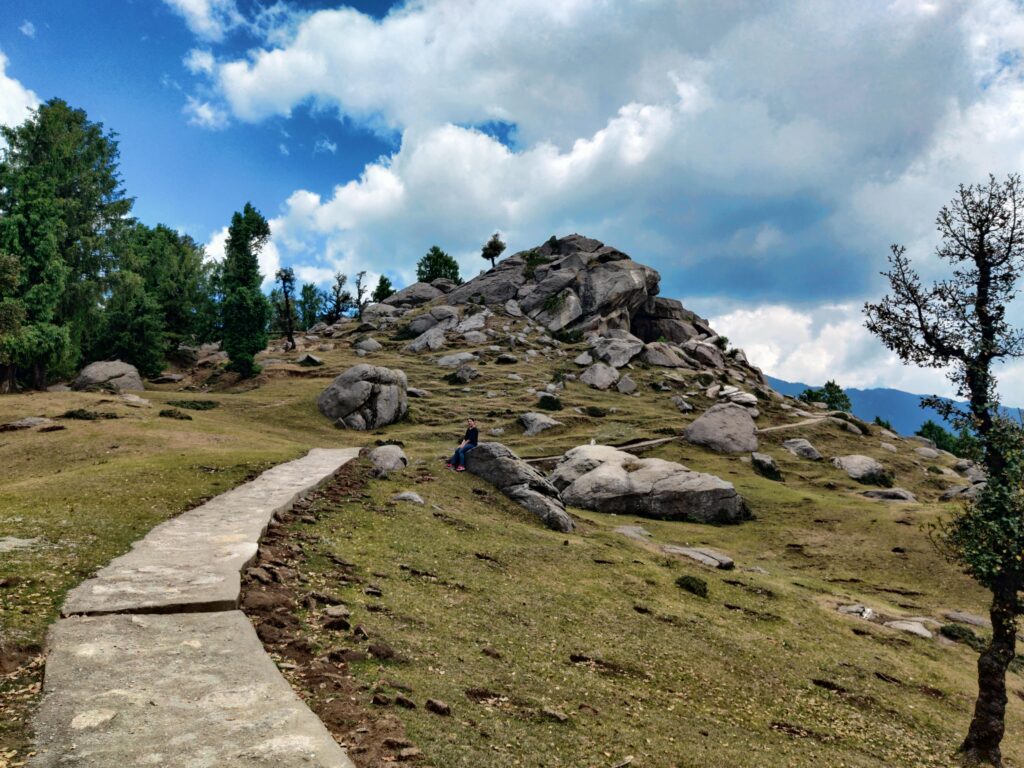
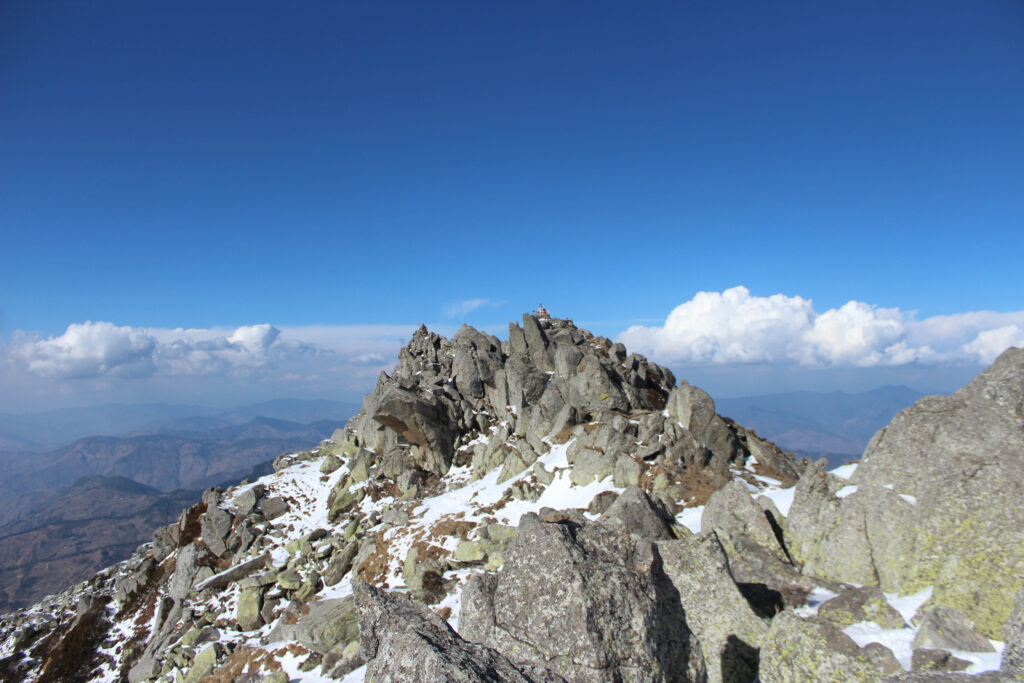
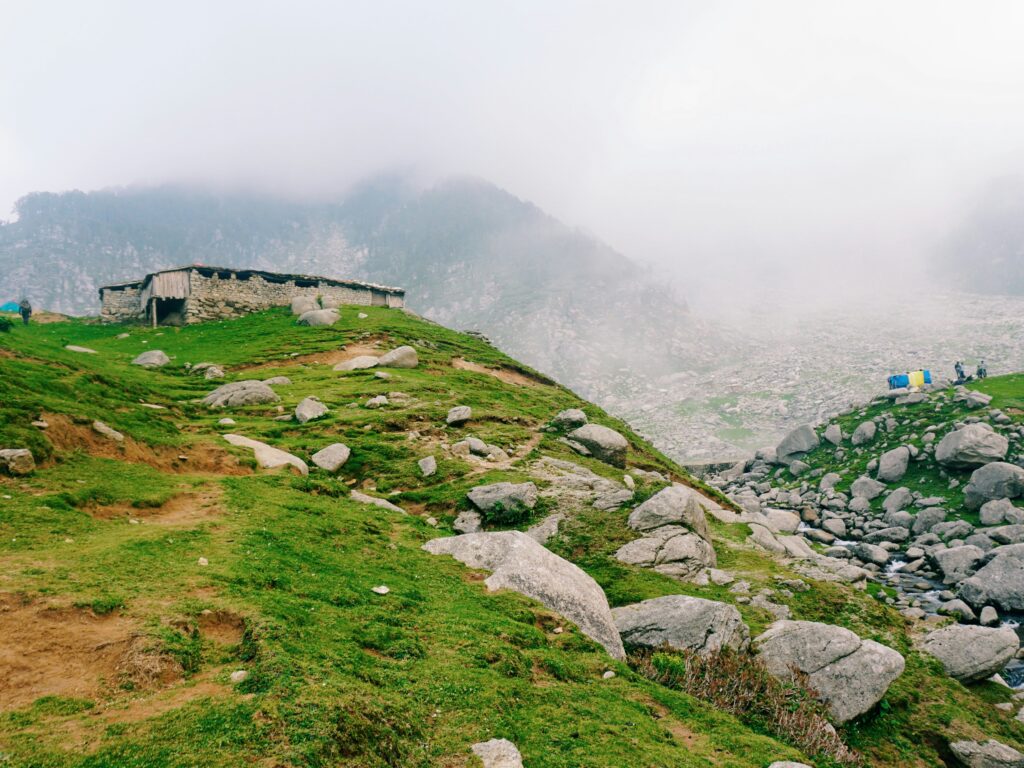
The Himalayan pilgrimage tradition has historically been built on physical effort, restraint, and direct engagement with natural surroundings. Walking through forest, crossing streams, and ascending gradually through changing mountain terrain has been central to the experience of reaching a high-altitude shrine. PSPK observes that progressively replacing this with vehicular access may alter not only the ecological character of these landscapes but also their cultural and spiritual meaning.
This is not an argument against development. It is an argument for development that operates within ecological limits.
Questions That Need Answers
PSPK is calling for a structured public conversation on several interconnected questions. What is the ecological carrying capacity of high-altitude shrines? Where should the limits of road expansion in protected and sensitive zones be drawn? What do sustainable pilgrimage models look like? How should debris and slope management be handled during and after construction? And how do we protect mountain forests and water systems that serve communities far beyond the immediate area?
These are not rhetorical questions. They are practical planning decisions that will shape what the Himalayan landscape looks like for future generations. The time to ask them, PSPK suggests, is before more roads are built, not after the forests have been cut and the slopes have been opened.
Related Articles
More stories and updates worth exploring from our journey.