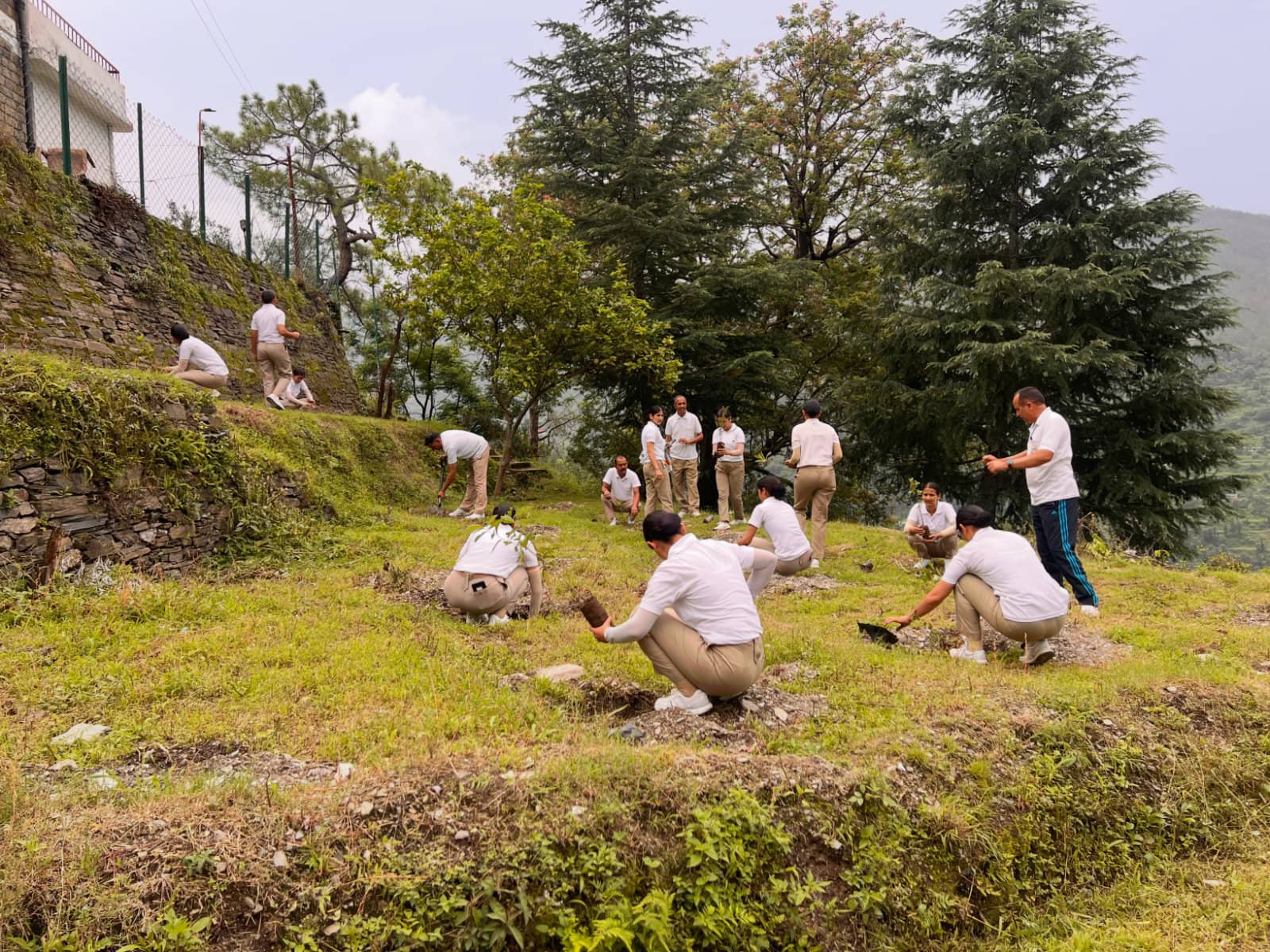
Environmental Safeguards Assessed Before Renuka Ji Fair 2026

On 18 November 2026, we conducted a pre-fair environmental inspection at Renuka Ji in Sirmaur district, Himachal Pradesh, to assess preparations for the Renuka Ji International Fair, scheduled from 19 to 24 November. Our visit focused on protection of the lake and surrounding sanctuary, sanitation facilities, temporary commercial arrangements, plastic waste management and implementation of the Himachal Pradesh High Court's environmental directions.
The inspection found encouraging preparations in several areas, including clean lakefront stretches, relocation of temporary commercial activity, functional toilets at inspected locations and administrative arrangements for environmental monitoring. However, important compliance measures still require verification during and after the fair.
High Court Directions for Environmental Protection
The inspection followed the Himachal Pradesh High Court's order dated 2 November 2026 in CWPIL No. 19 of 2017 and connected matters. The Court issued directions intended to protect the ecologically sensitive Renuka Ji Lake, Parshuram Tal and surrounding wildlife sanctuary during the annual gathering.
These directions included restrictions on commercial activity within a 100-metre buffer around both water bodies and along the Parikrama route, provision of at least 100 temporary toilets, controls on plastic waste and garbage burning, and daily monitoring of noise pollution.
The Court also required arrangements for the removal of temporary commercial structures and restoration of the fairground after the event.
In response, the Deputy Commissioner, Sirmaur, issued four orders on 16 November establishing committees responsible for inspections, waste enforcement, sanitation and post-fair restoration. Joint inspections were scheduled for 18 and 27 November.
Lakefront Cleanliness and Relocation of Commercial Activity
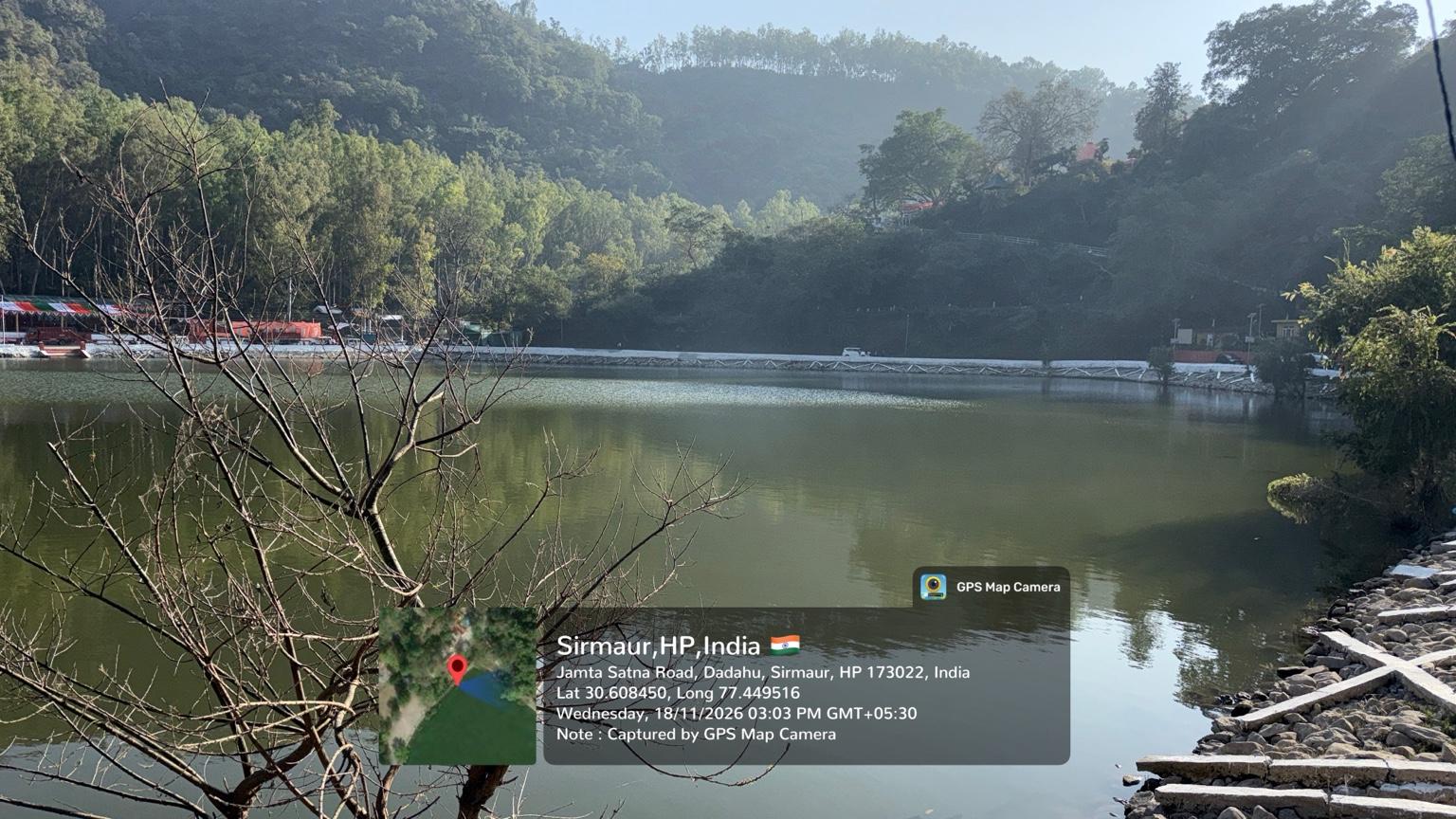
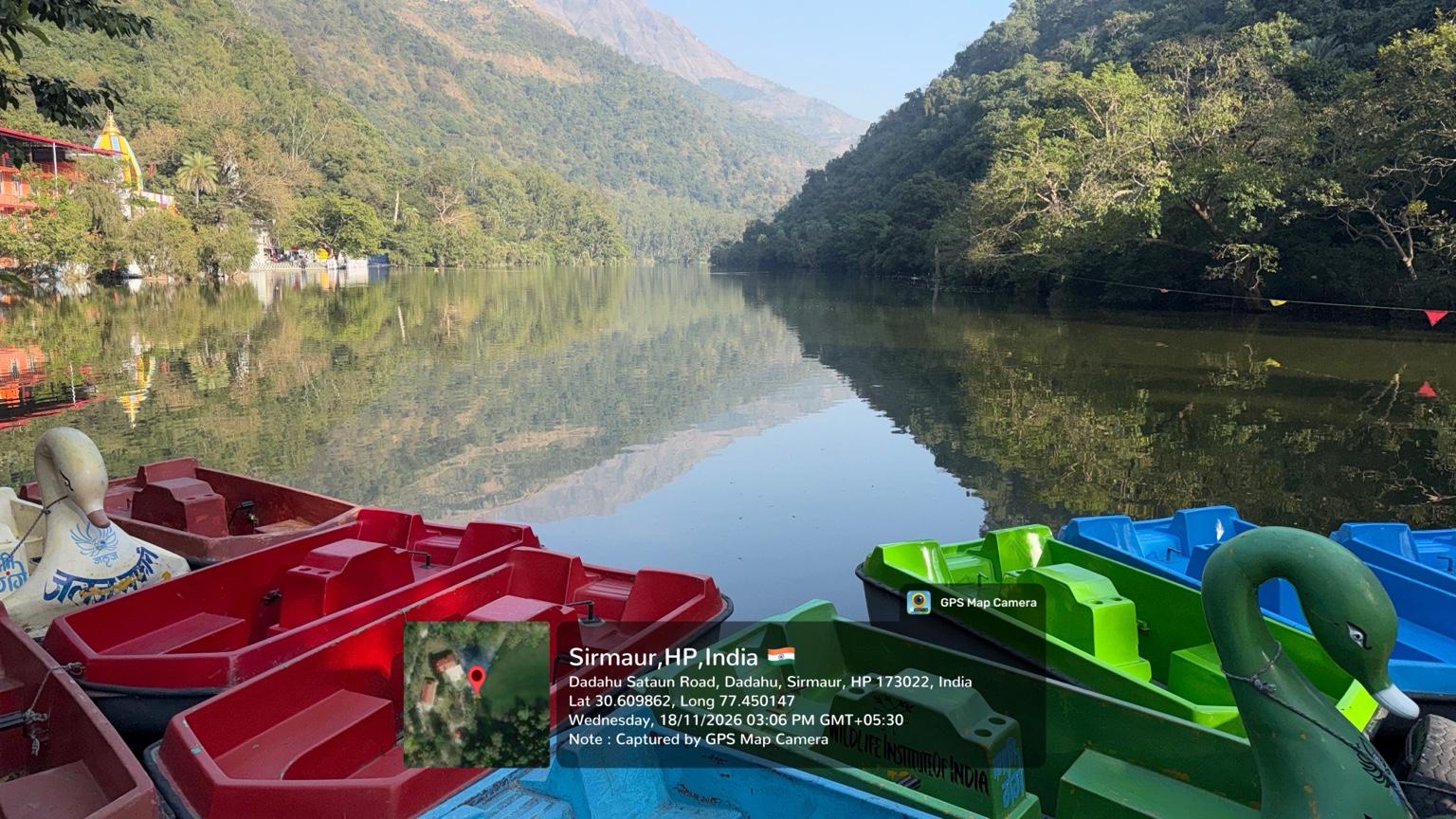
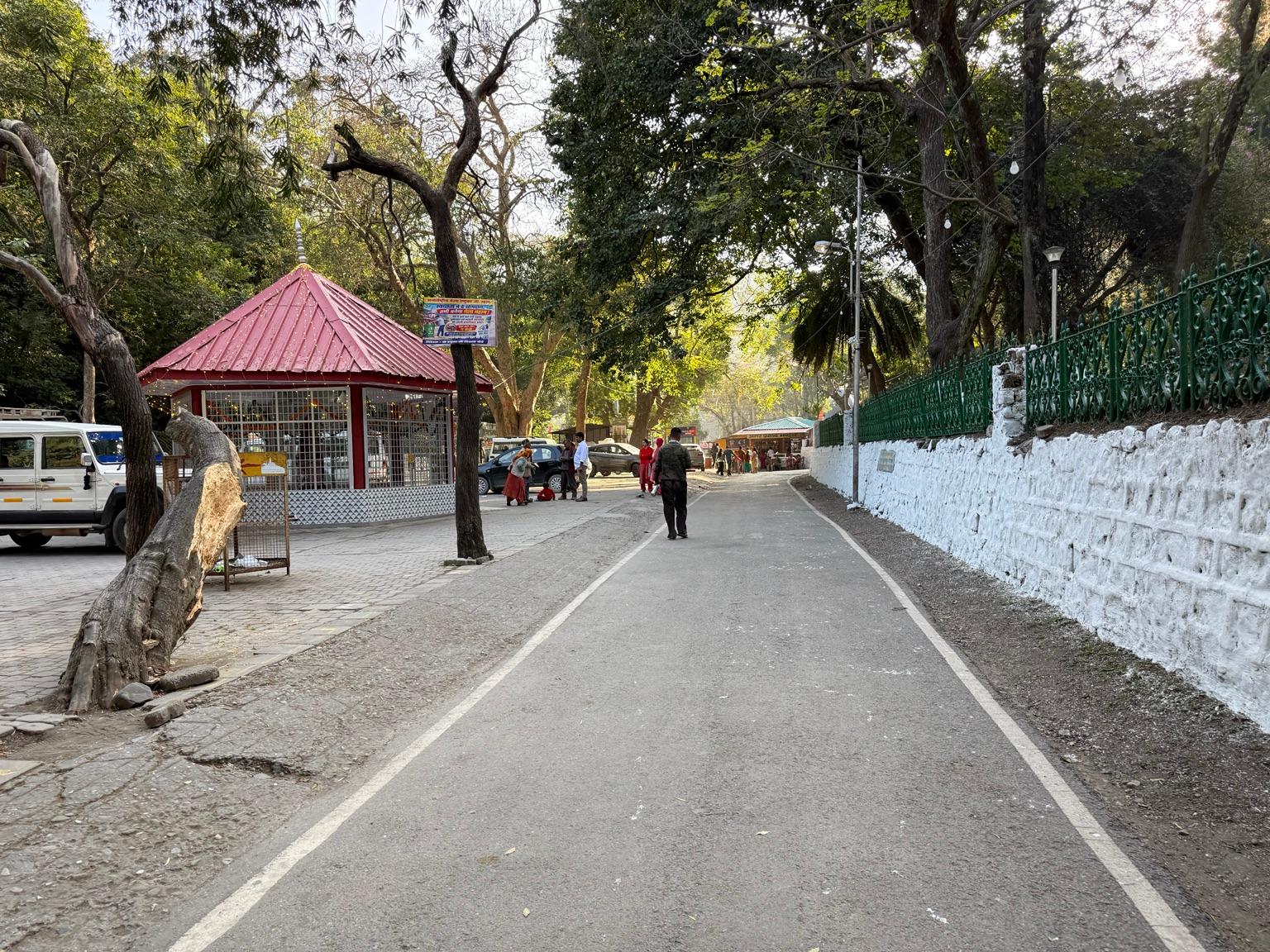
During our visit, the inspected sections of the Renuka Ji lakefront and Parikrama route appeared relatively clean and free from temporary commercial stalls. The photographed shoreline offered clear views across the lake, while pathways were generally tidy. Prohibition boards had also been installed to inform visitors and vendors about restrictions on commercial activity.
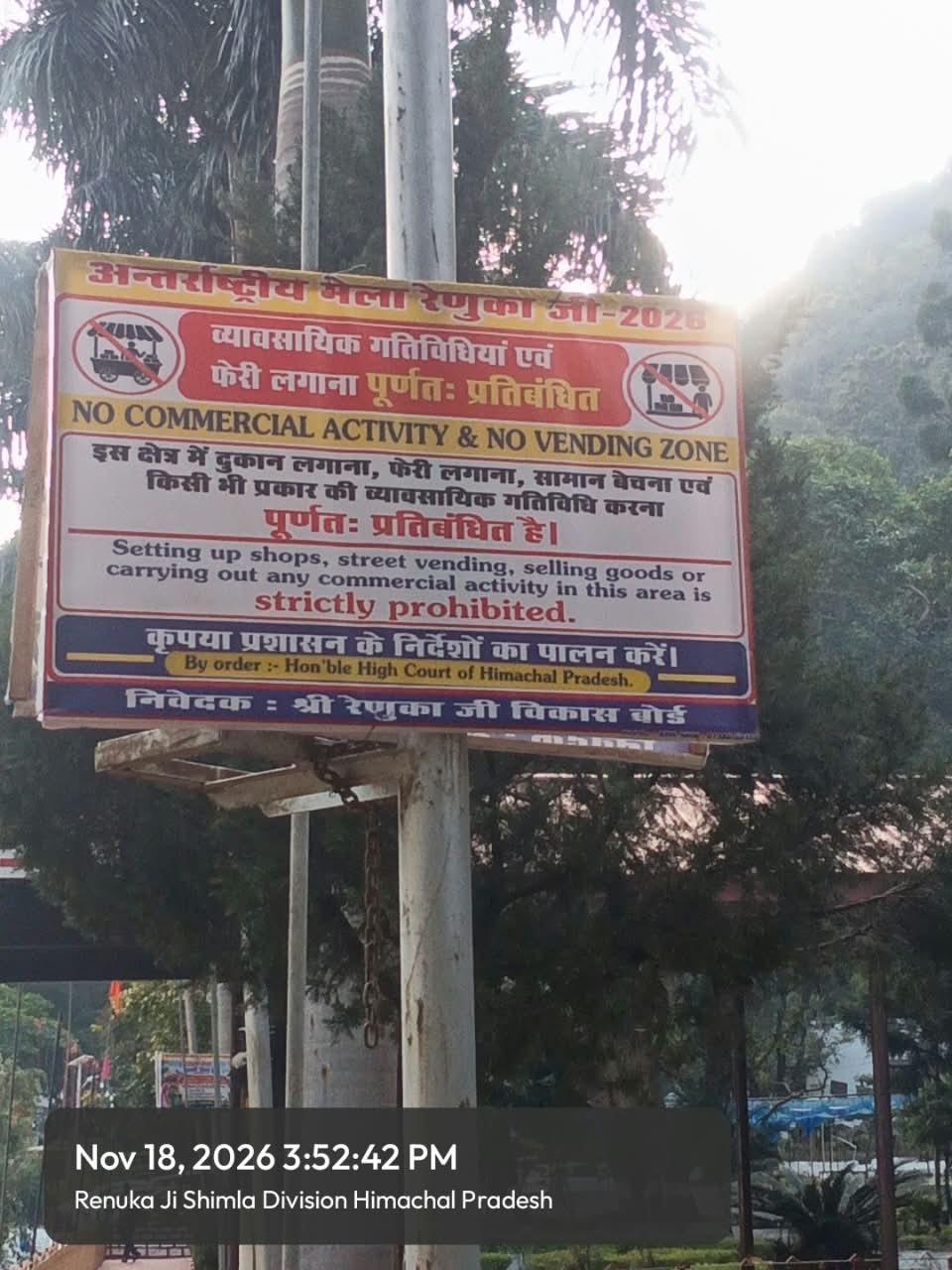
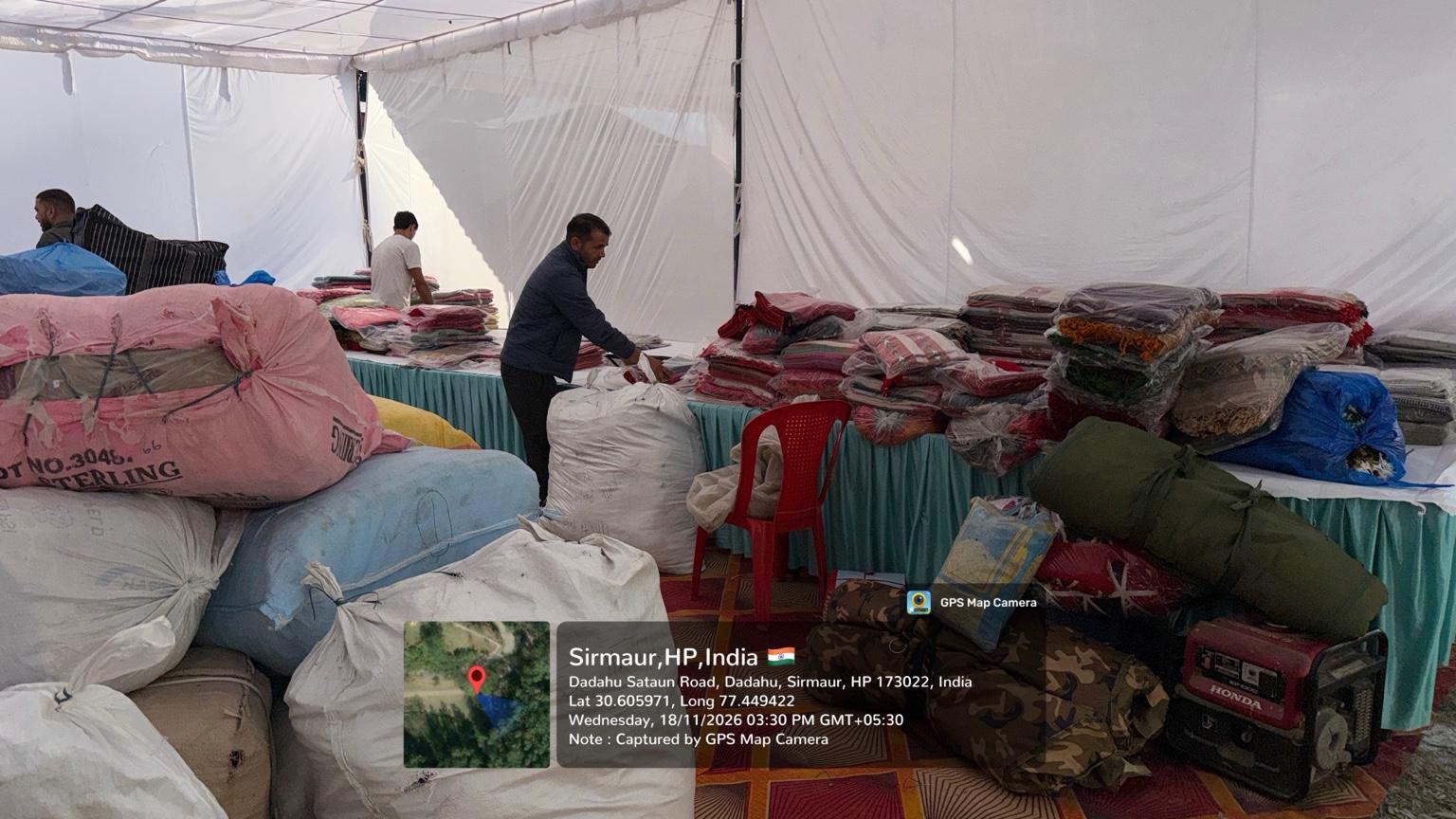
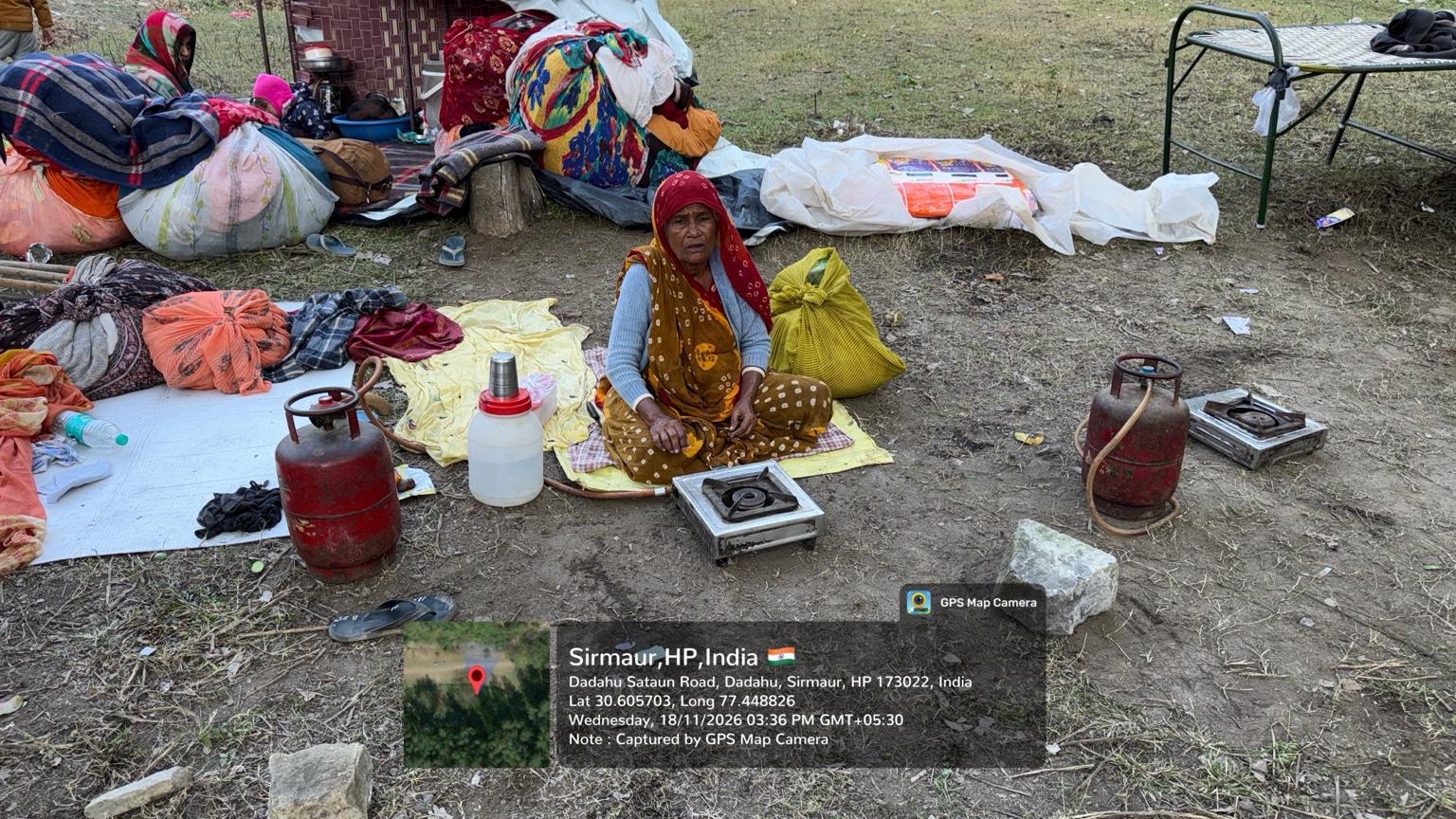
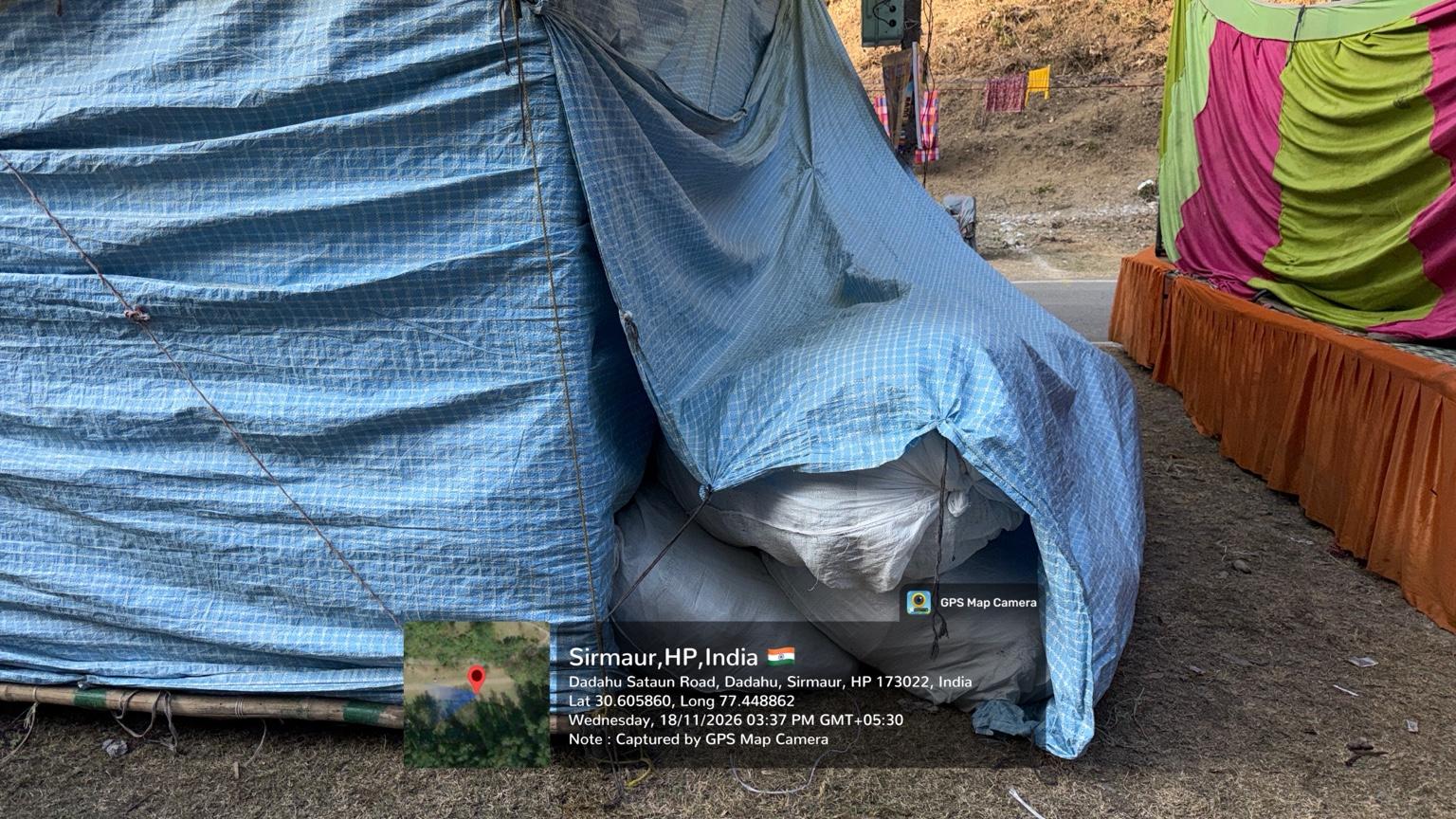
Temporary market preparations were concentrated in a separate commercial area. Rows of stalls and shelters had been erected, with vendors arranging merchandise, bedding and other materials ahead of the fair.
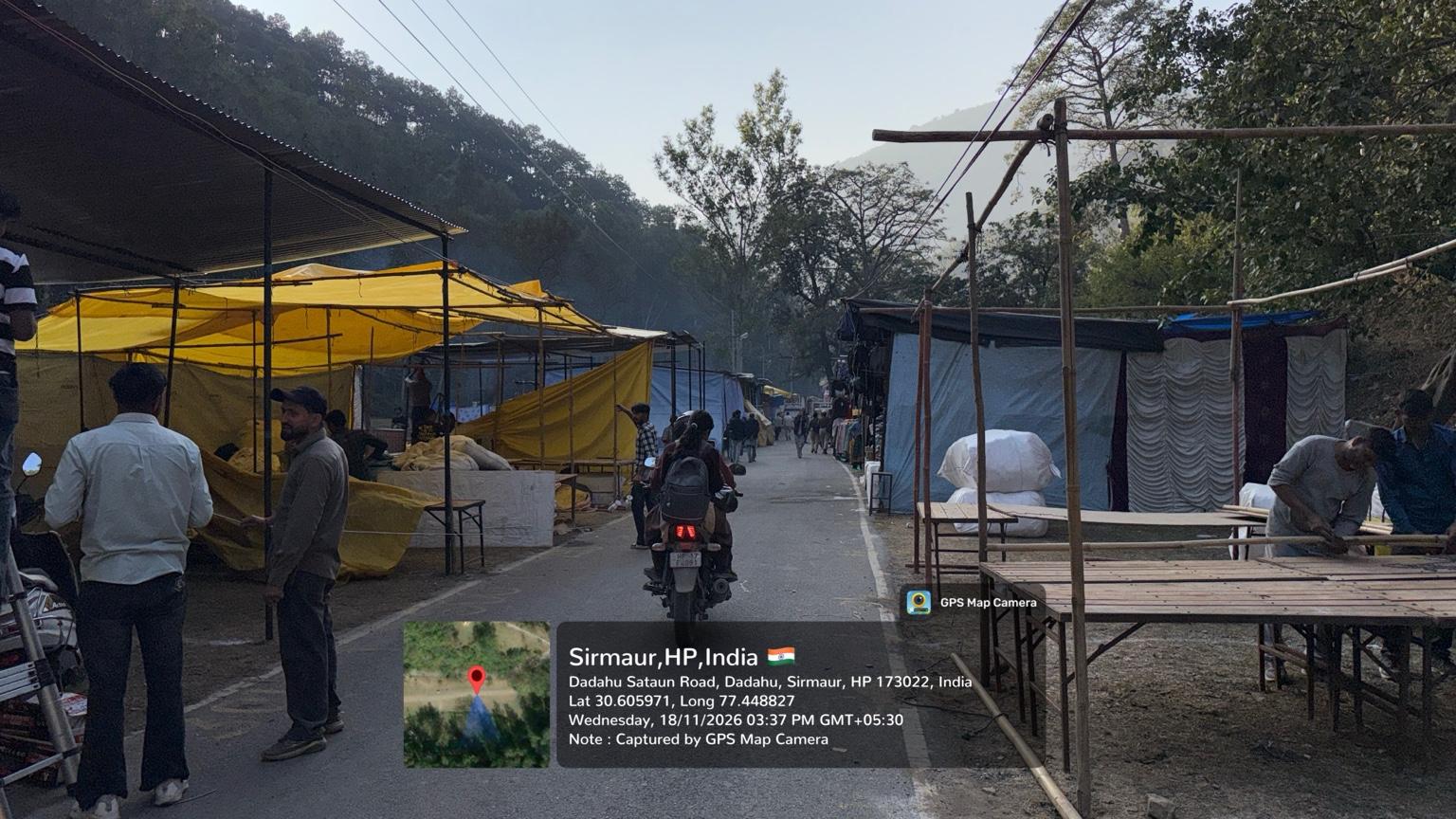
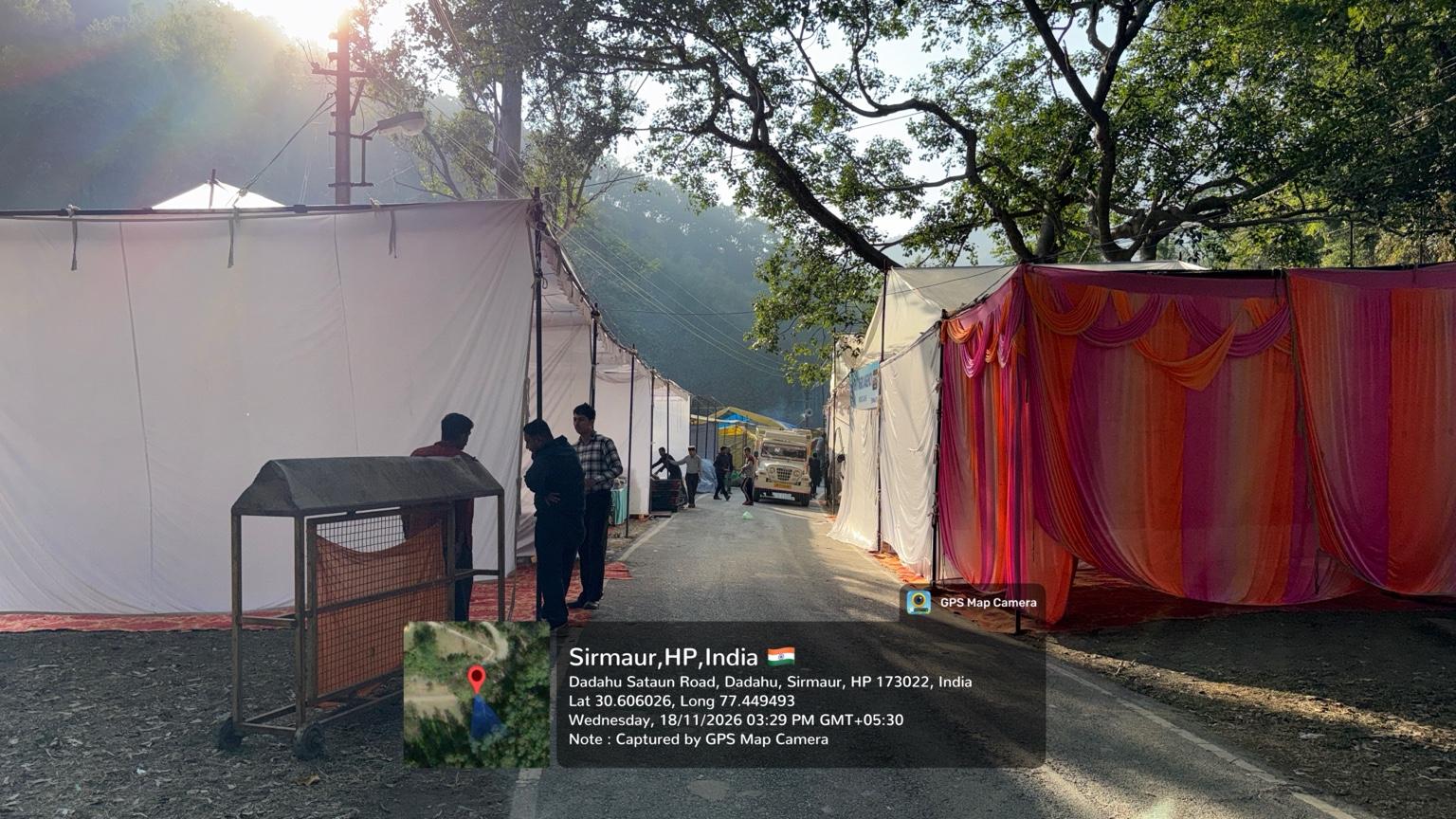
While relocation was a constructive preparatory measure, the exact distance of the market from the protected water bodies remained to be verified against the authorised layout and boundary demarcation.
The market also contained synthetic tarpaulin coverings, plastic-wrapped merchandise and cooking arrangements involving LPG cylinders. These conditions highlighted the need for active waste segregation, proper disposal arrangements and appropriate fire-safety checks throughout the event.
Sanitation Facilities and Plastic Waste Management
Sanitation was another important focus of our inspection. Toilets examined at selected locations were reported to be clean and operational. Additional photographs documented the installation of temporary toilet pans and associated piping, along with rows of temporary enclosures in a wooded area.
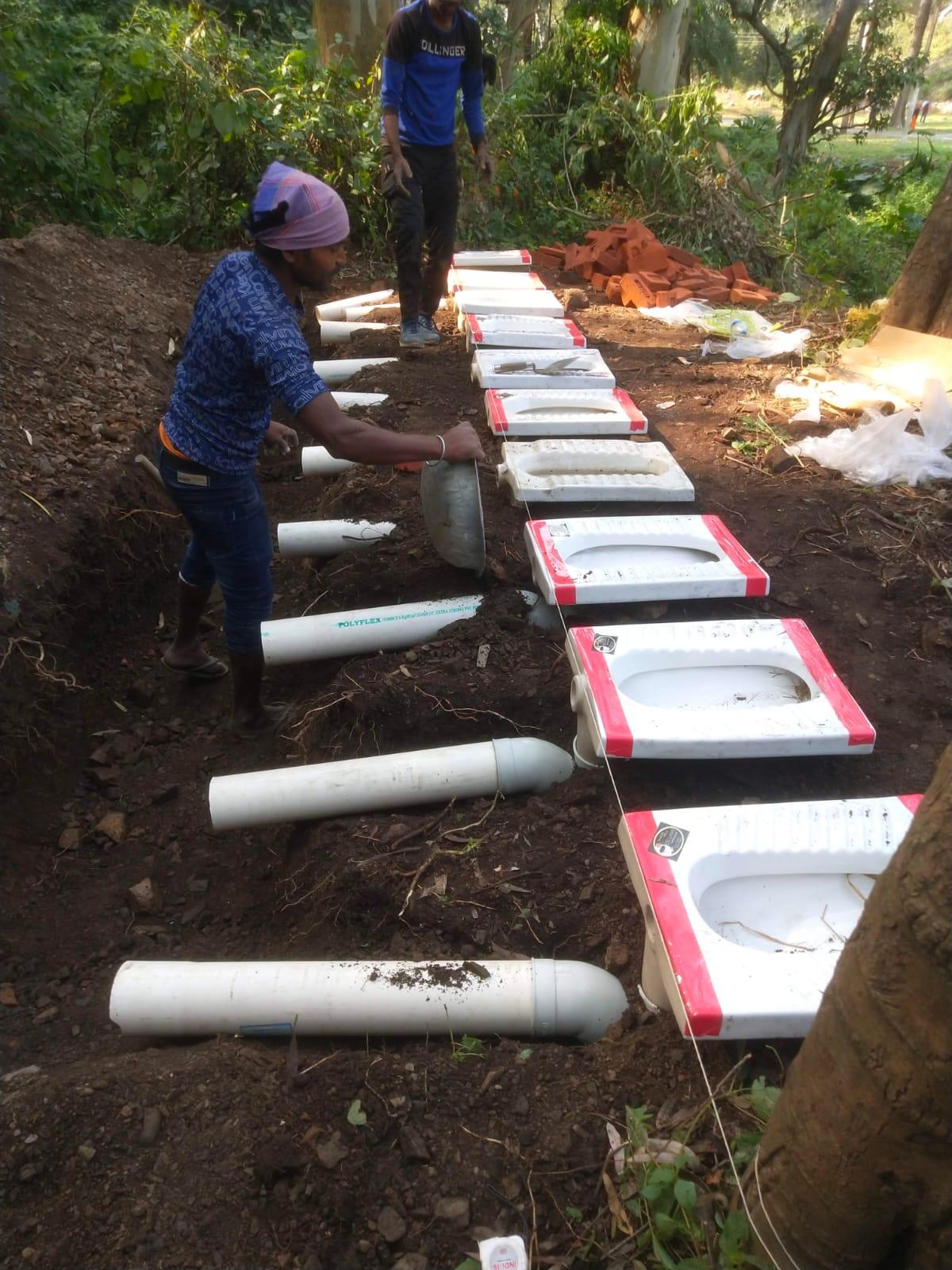
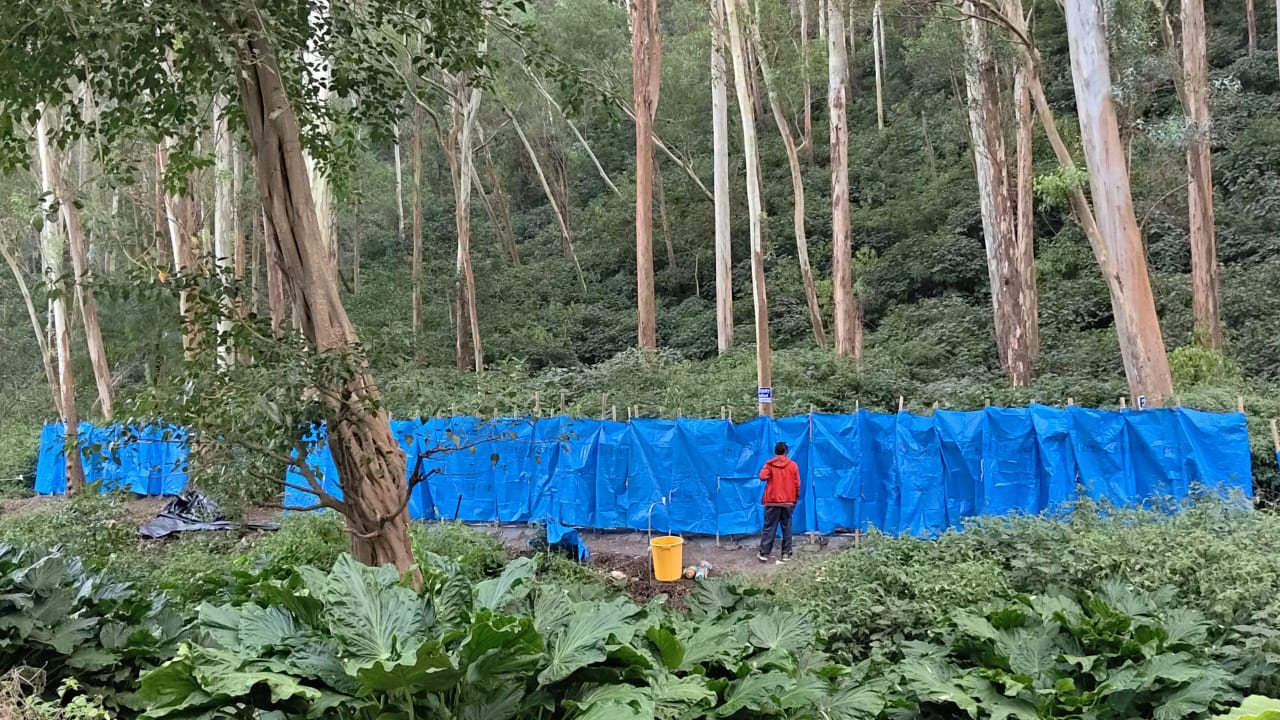
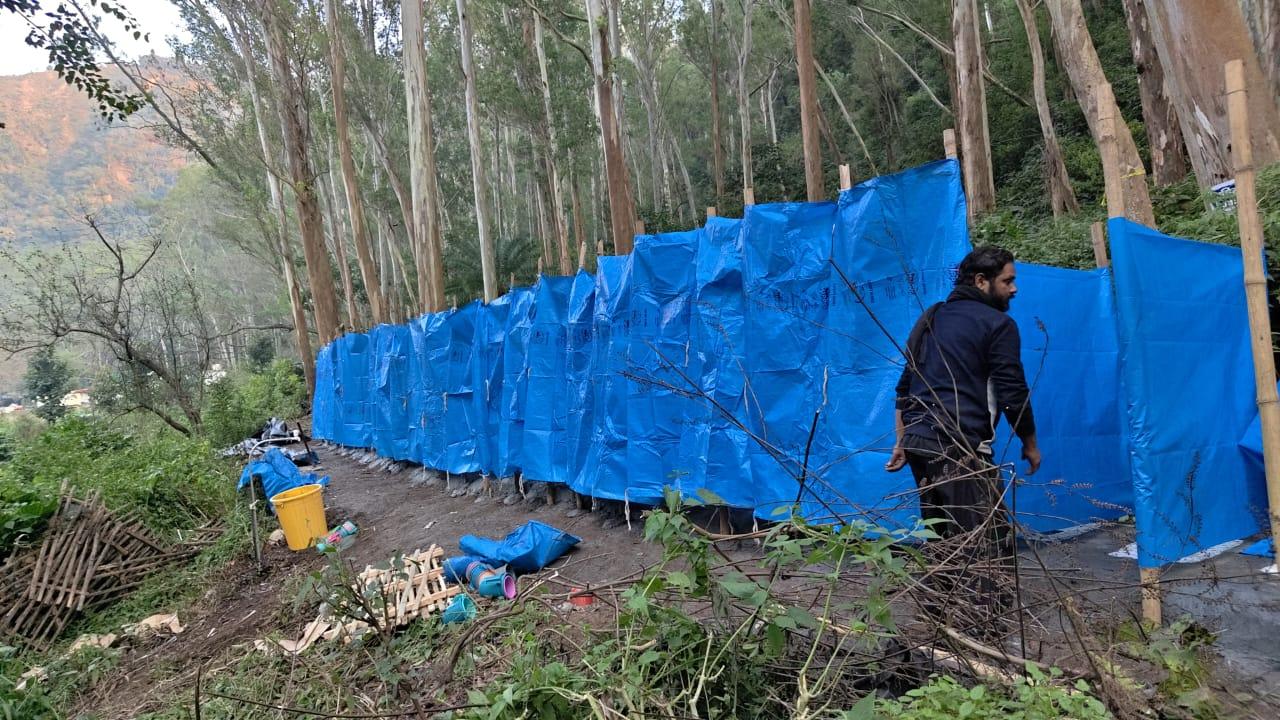
Although these preparations indicated ongoing efforts to expand sanitation facilities, verification was still required to establish whether the Court-directed minimum of 100 temporary toilets had become operational. The arrangements for water supply, regular cleaning, sewage containment and safe disposal also remained important areas for monitoring.
Plastic waste management received attention during discussions with the administration. Officials displayed disposable serving plates proposed as alternatives to conventional plastic plates.
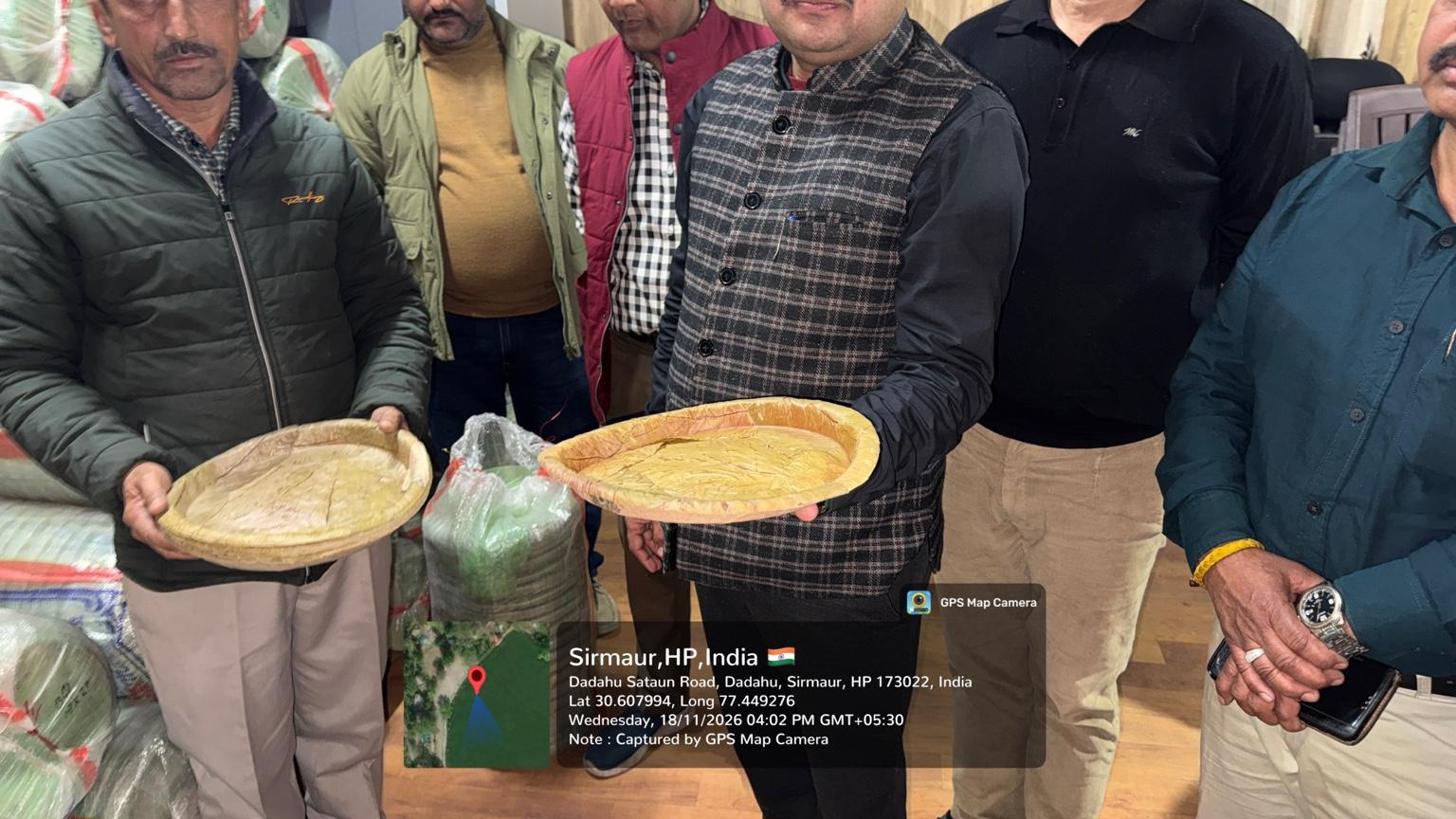
The environmental suitability of these alternatives will depend on their actual composition, use and disposal. Effective plastic control will also require monitoring of packaging waste, collection arrangements and vendors' responsibilities for managing waste generated through commercial activities.
The district administration had constituted an enforcement committee to oversee plastic restrictions, prevent garbage burning and take action against violations.
Noise Pollution Monitoring and Wildlife Protection
During discussions, the Sub-Divisional Magistrate, Nahan, indicated that high-decibel music would not be permitted near the sanctuary. The administration also described arrangements for medical, police and waste-management volunteers in restricted areas.
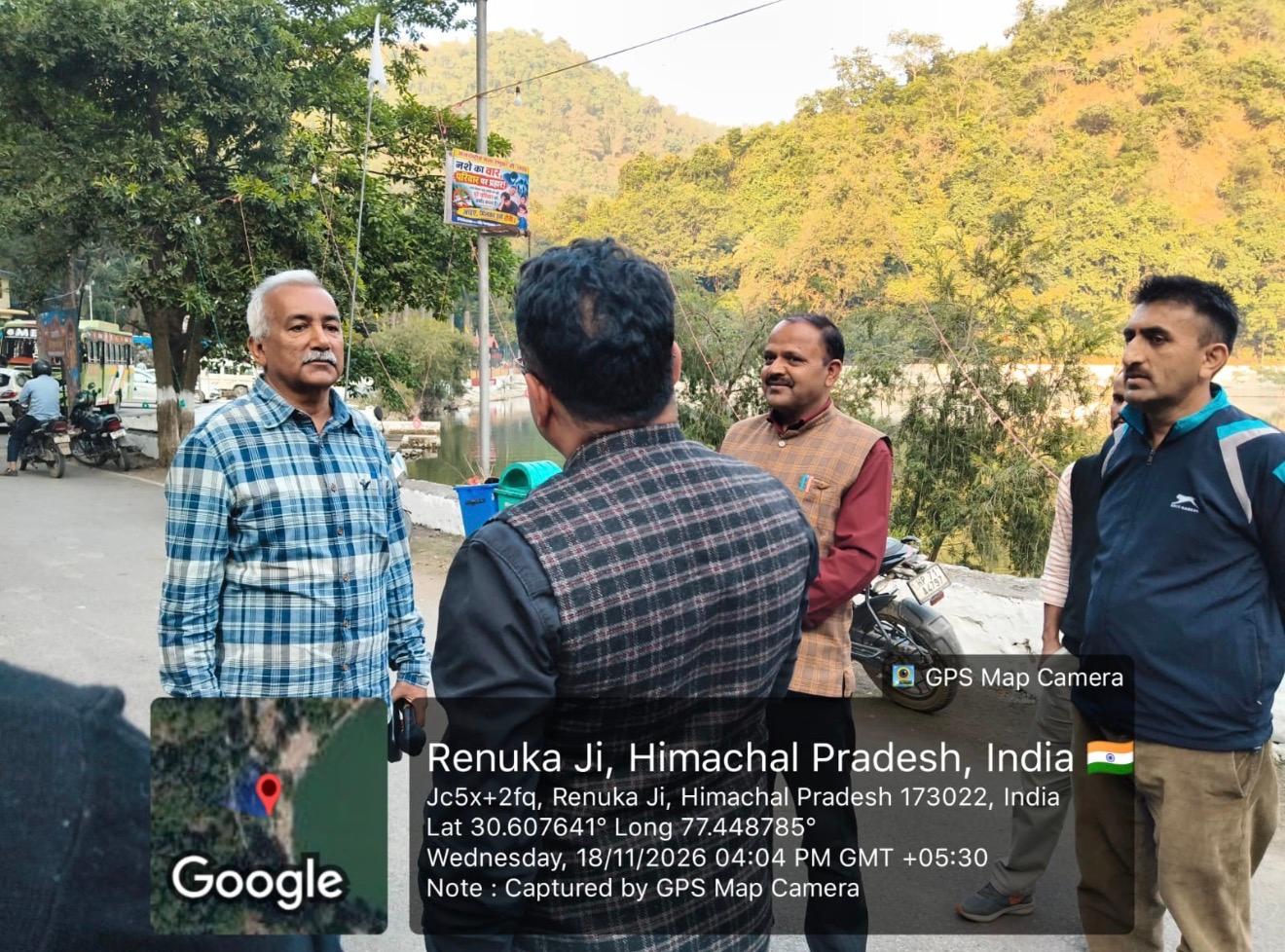
Our inspecting representative subsequently received contact from a member of the Pollution Control sound-monitoring team, reportedly associated with the Kala Amb office. This indicated involvement by monitoring personnel, although instrument readings and daily monitoring records were not available for examination during the inspection.
Noise control is particularly important in the sanctuary environment, where excessive amplified sound can disturb wildlife. The High Court's direction for daily monitoring by the Himachal Pradesh State Pollution Control Board therefore remains a significant part of environmental oversight during the fair.
Shopkeepers Raise Concerns Over Commercial Restrictions
During the inspection, we also documented established food and merchandise outlets near the temple-area approach.
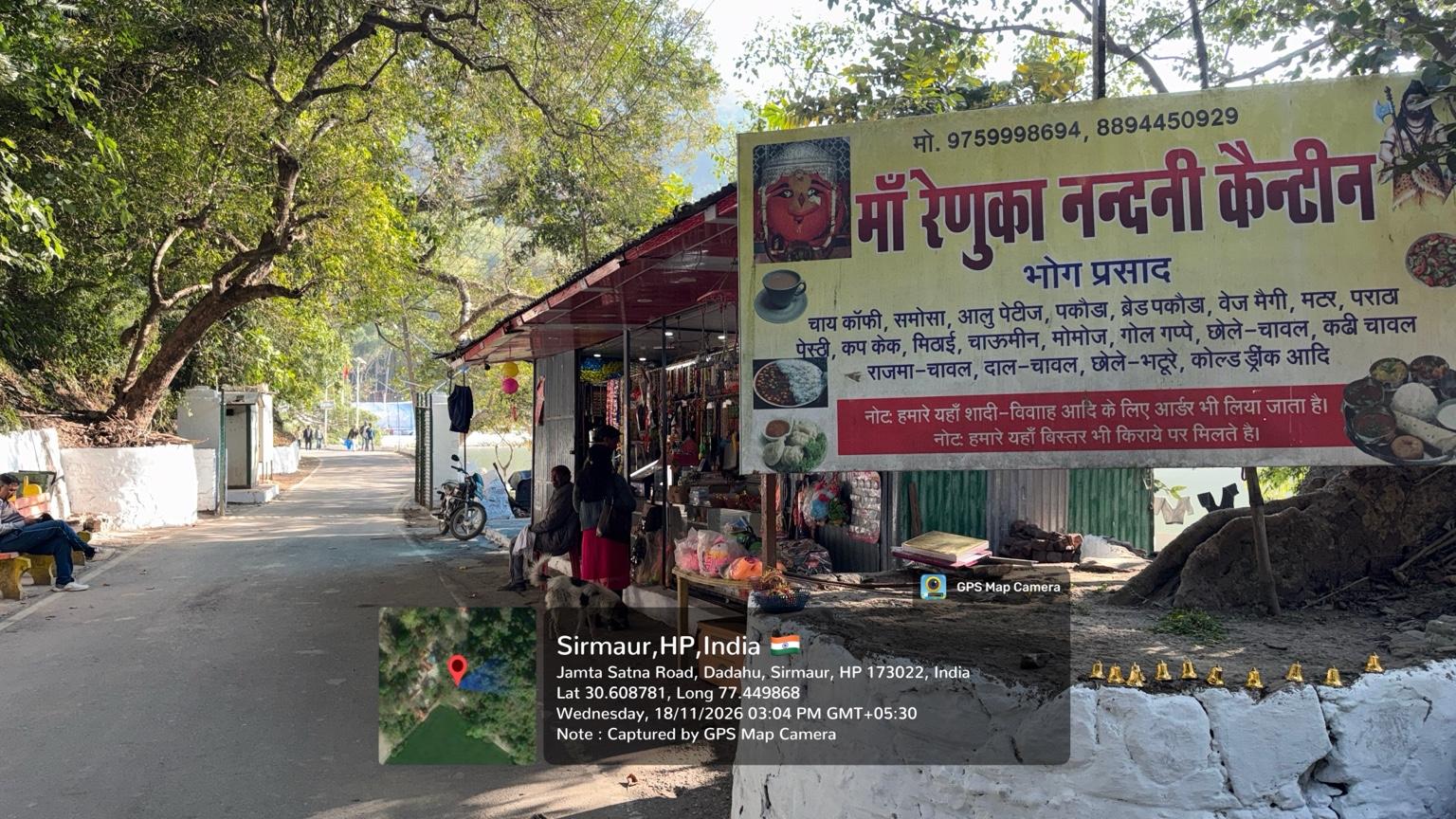
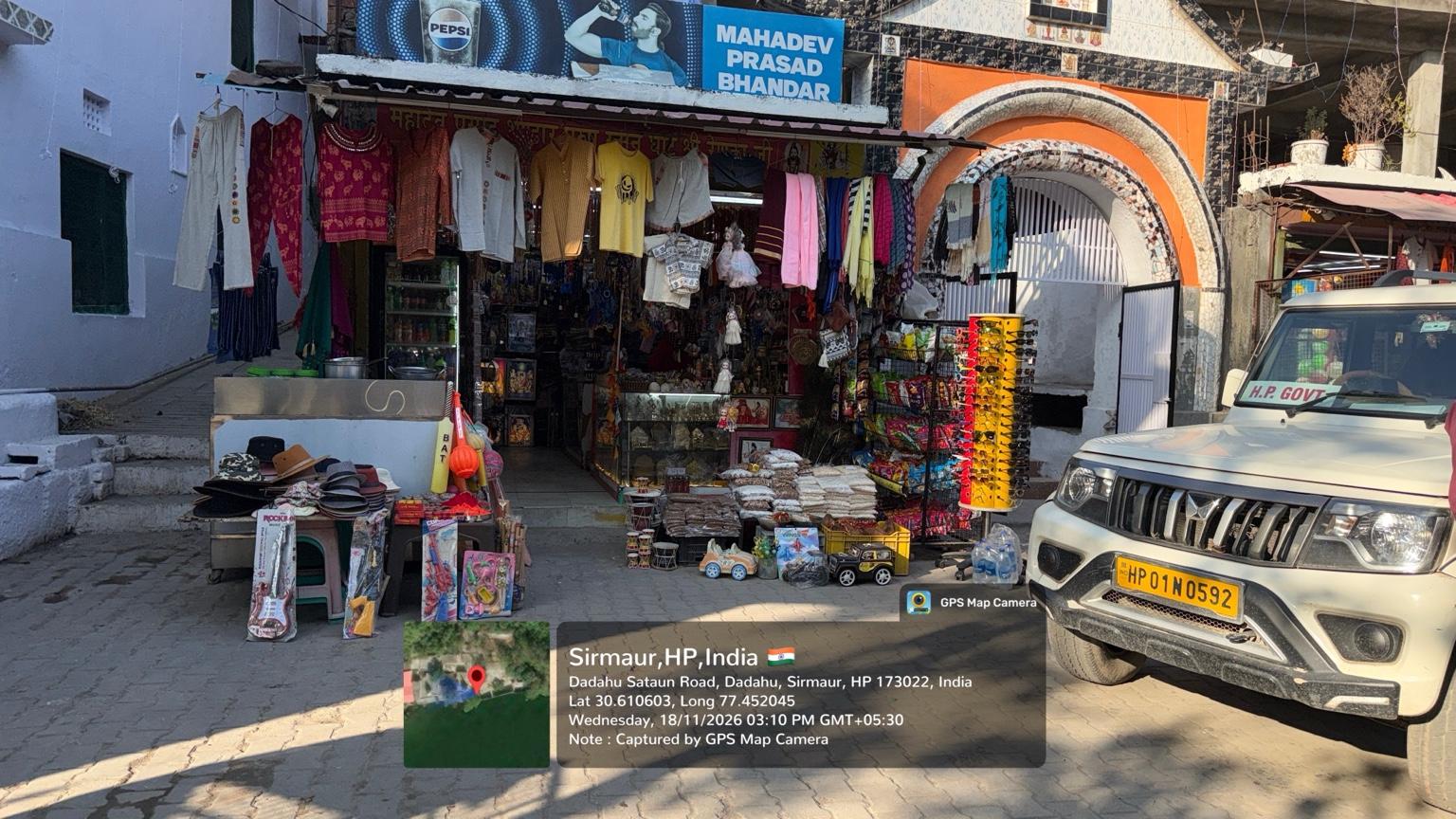
Local shopkeepers requested relief from fair-period commercial restrictions, explaining that their establishments had existed for many years and that closure would affect their businesses.
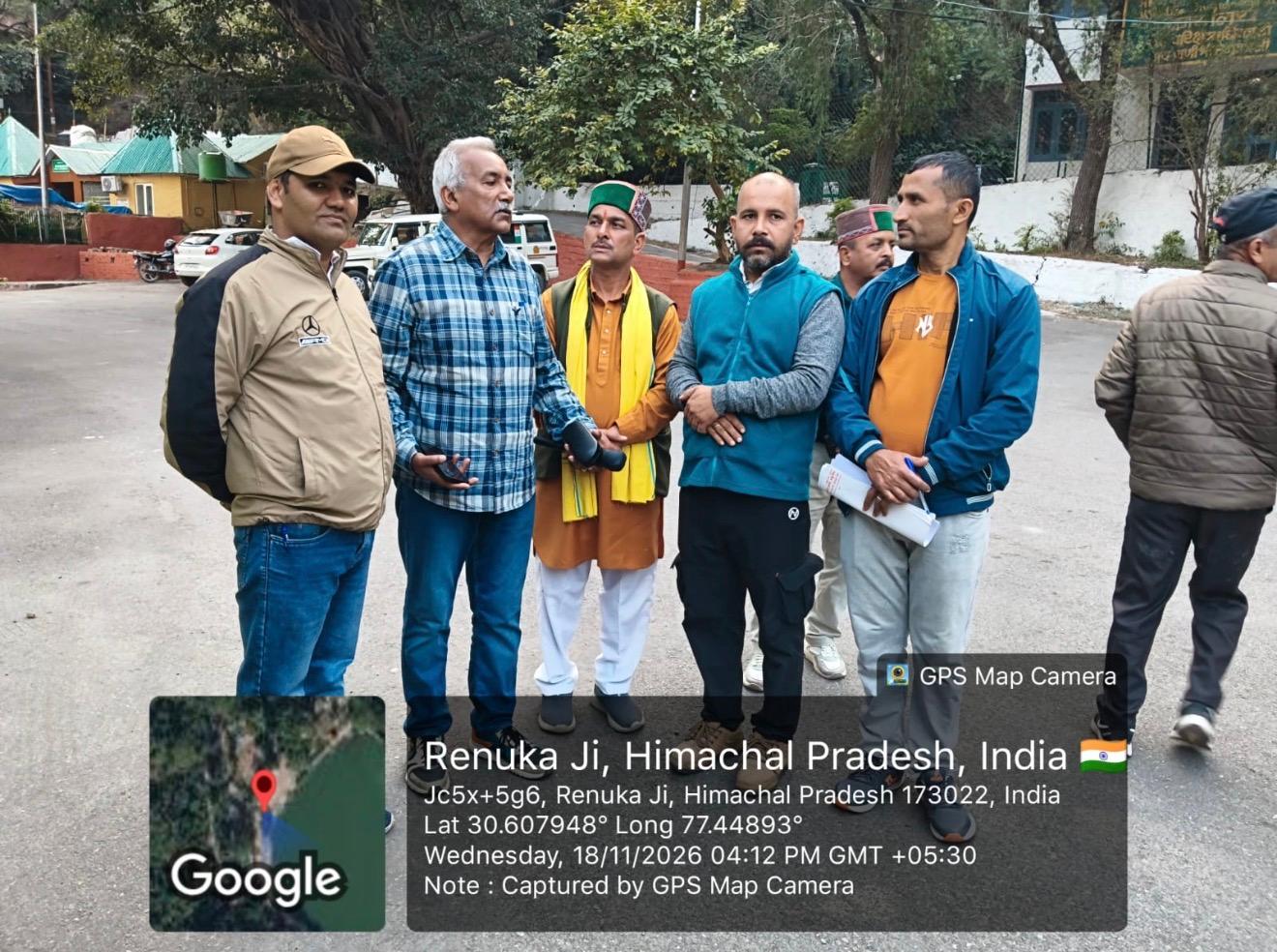
Their representations highlighted the need to distinguish temporary restrictions imposed for environmental protection during the fair from the separate legal questions concerning permanent structures.
The status of these premises requires examination of land records, permissions, demarcation documents and relevant proceedings involving wildlife authorities. The inspection did not establish a final determination concerning the legality of these structures.
Environmental Monitoring Must Continue Beyond the Fair
The 18 November inspection recorded meaningful preparatory action by the district administration, particularly in maintaining inspected lakefront areas, organising temporary commercial spaces and establishing mechanisms for sanitation and waste enforcement.
The remaining priorities include verification of the 100-metre commercial exclusion zone, operational sanitation capacity, sewage disposal arrangements, plastic waste enforcement and daily noise-monitoring records.
Post-fair restoration will be equally important. The High Court directed the removal of temporary stalls within three days of the fair's conclusion on 24 November, while the district administration's joint inspection committee is scheduled to examine conditions on 27 November. Removal of temporary structures, collection of waste and restoration of the affected areas will require documented follow-through.
Our inspection provides a record of preparations before the gathering began. The effectiveness of these measures will depend on their consistent implementation throughout the fair and the condition in which the lakefront, commercial areas and surrounding environment are left after its conclusion.
Protecting Renuka Ji requires attention not only to arrangements made before a major religious and cultural gathering, but also to the environmental responsibilities that continue after visitors and temporary establishments have departed.
Related Articles
More stories and updates worth exploring from our journey.