PSPK Conducted Large-Scale Tree Plantation Campaign Across Himachal Pradesh in 2025
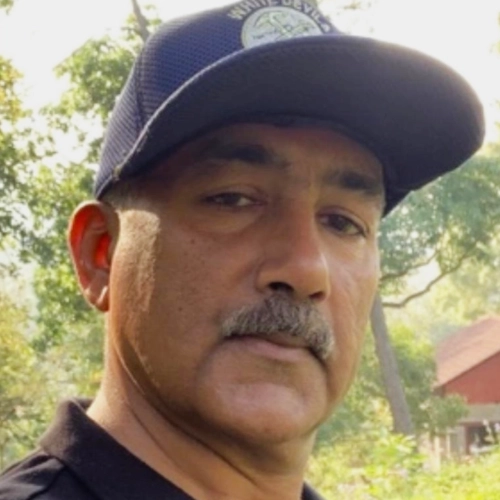
We successfully carried out an extensive tree plantation campaign across various regions of Himachal Pradesh during 2025, reinforcing our commitment towards environmental conservation, ecological restoration, and public participation in protecting the fragile Himalayan ecosystem.
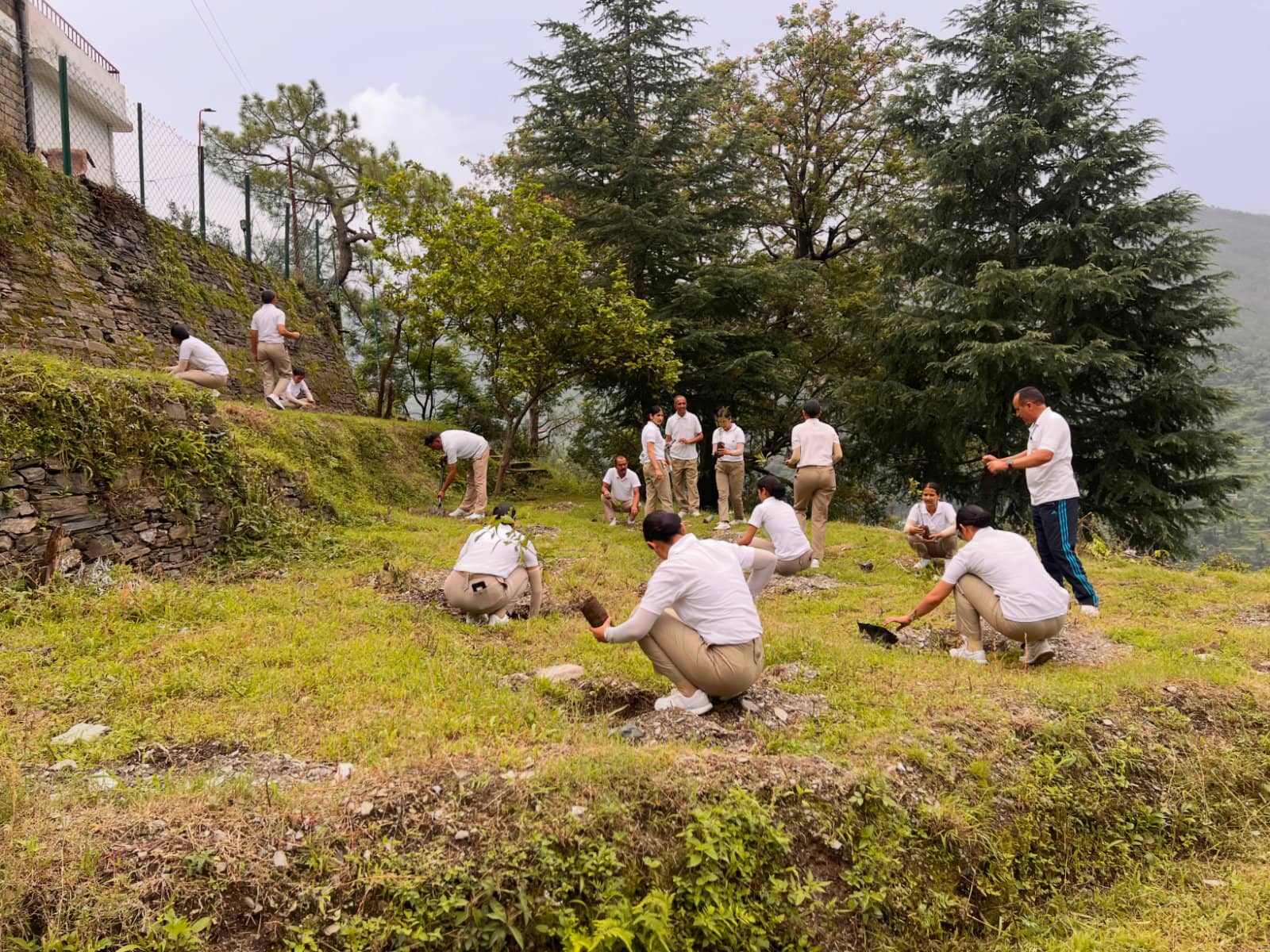
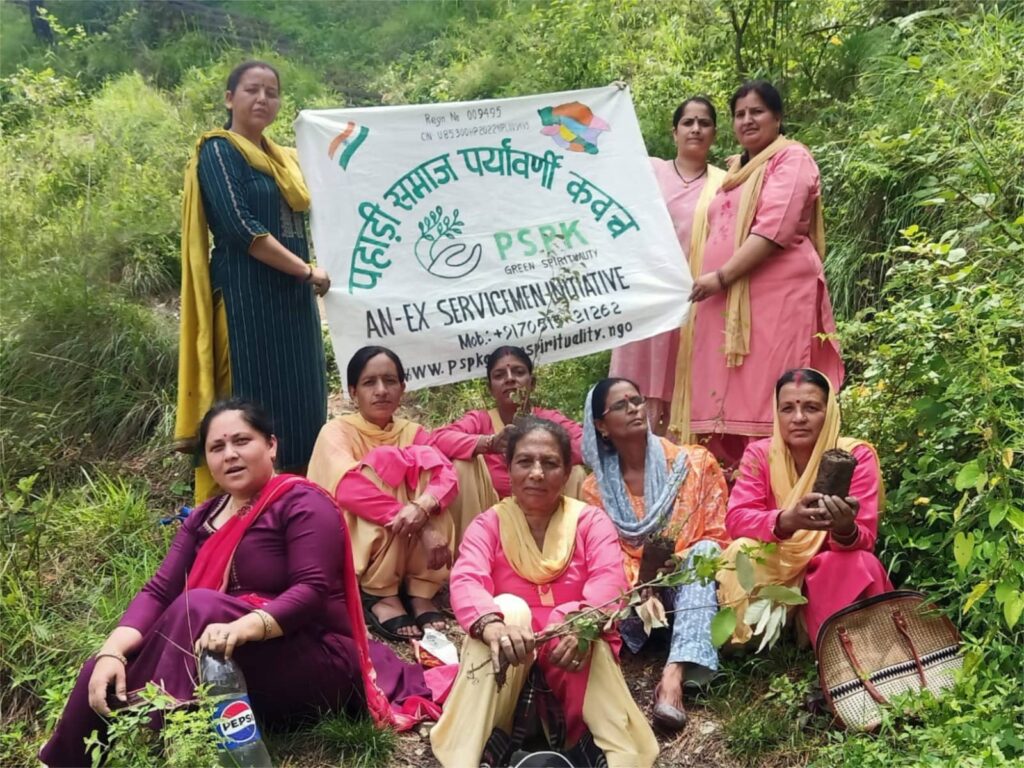
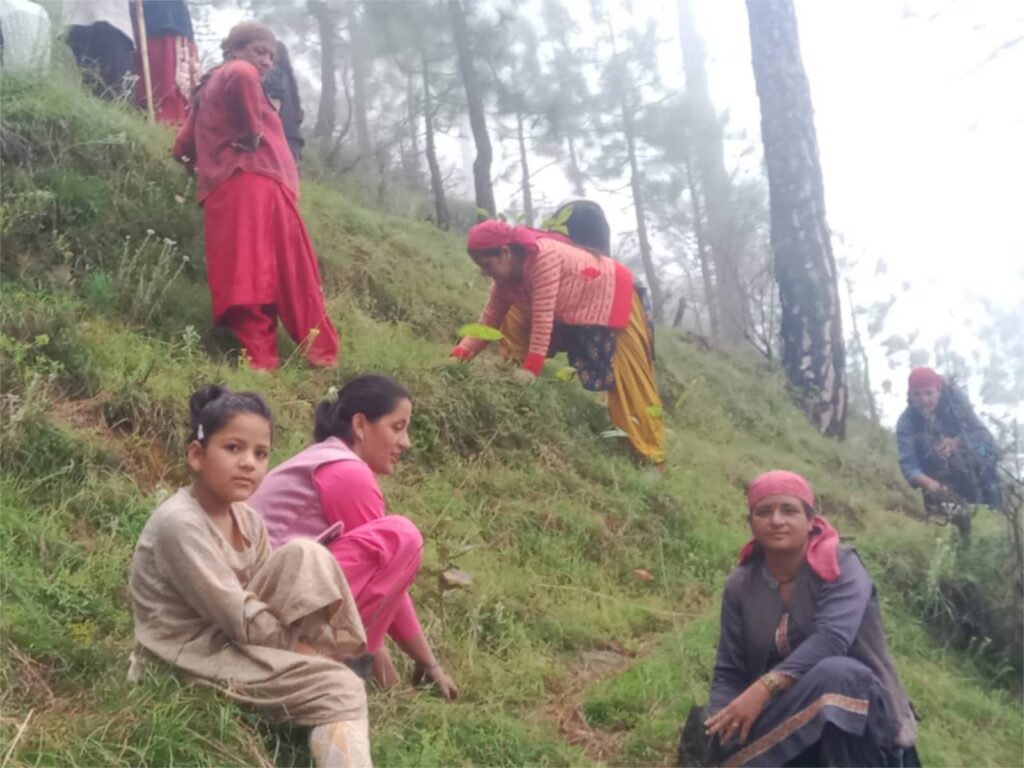
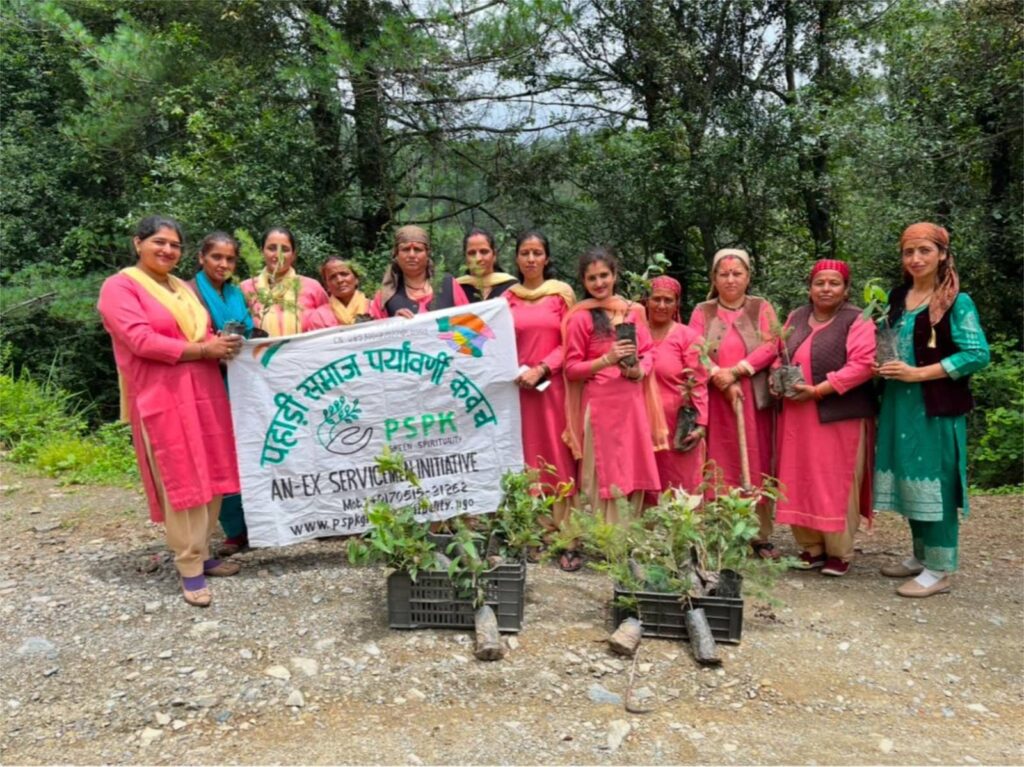
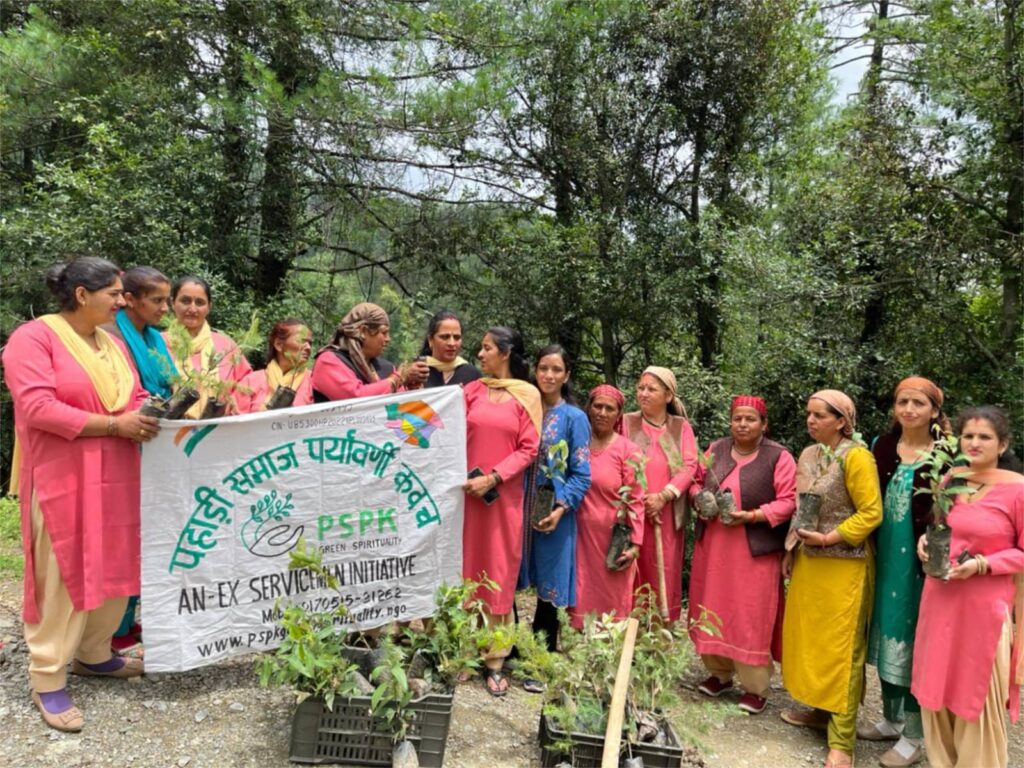
Although the plantation activities were conducted over different phases during the year, we have now released a consolidated report highlighting the scale and impact of the campaign. More than 4,500 saplings were planted through coordinated efforts involving local communities, Gram Panchayats, women’s groups, village organizations, forest officials, social workers, and volunteers.
The plantation drives covered multiple locations including Pujarli, Junga, Bhadech, Darbhog, Shilog Bagh, Neen-Koti, Satlai, Janedghat, Chail region, Shillong Bagh, Bhrariya, and Nalagarh.
Major Plantation Activities
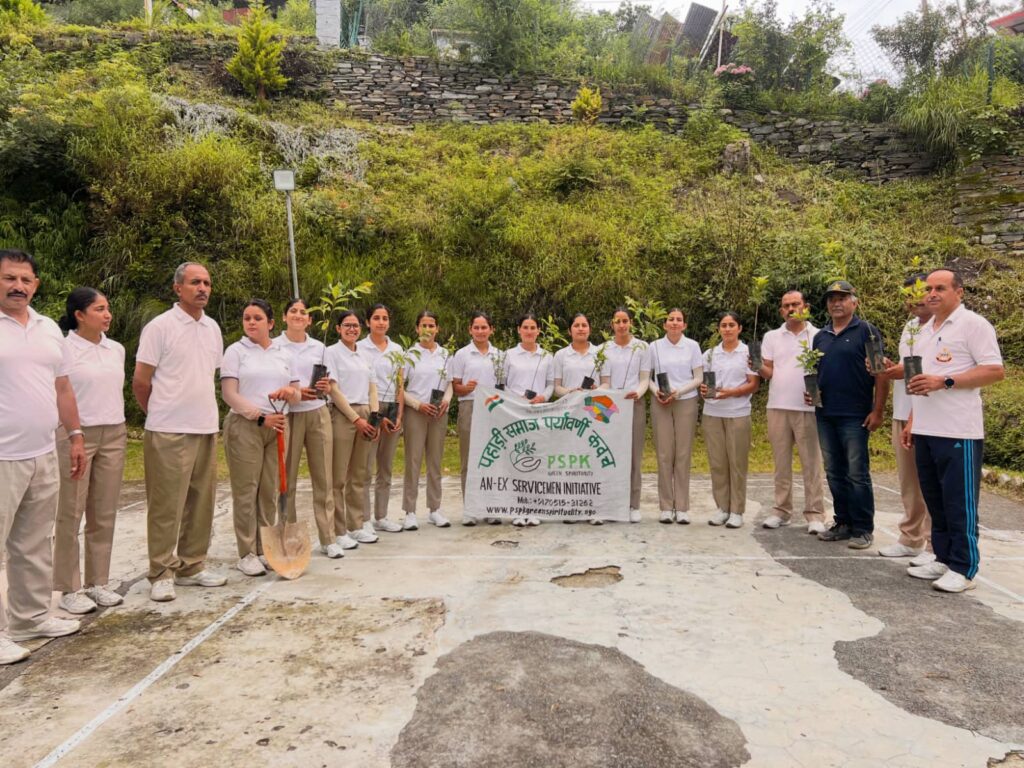
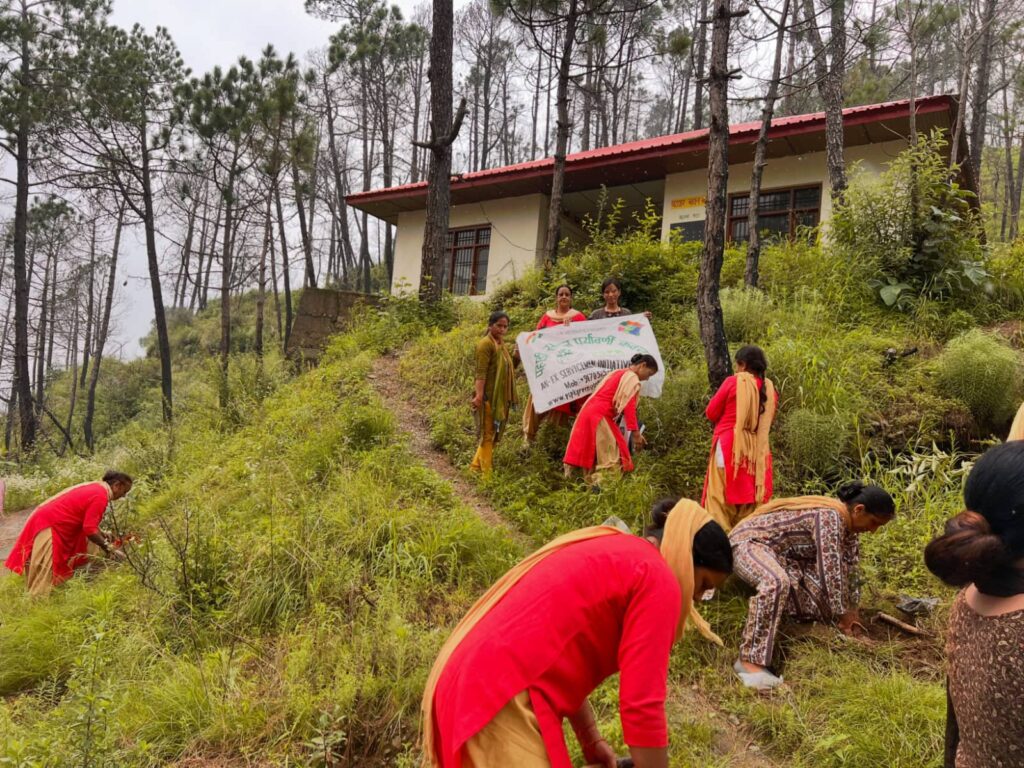
The campaign began in July 2025 with plantation drives at Sai Temple Pujarli, Junga Gram Panchayat, Bhadech Gram Panchayat, Junga Police Line, and Darbhog Gram Panchayat at Shilog Bagh. Additional plantation activities were also conducted at Neen-Koti and Satlai with active participation from local residents and partner organizations.
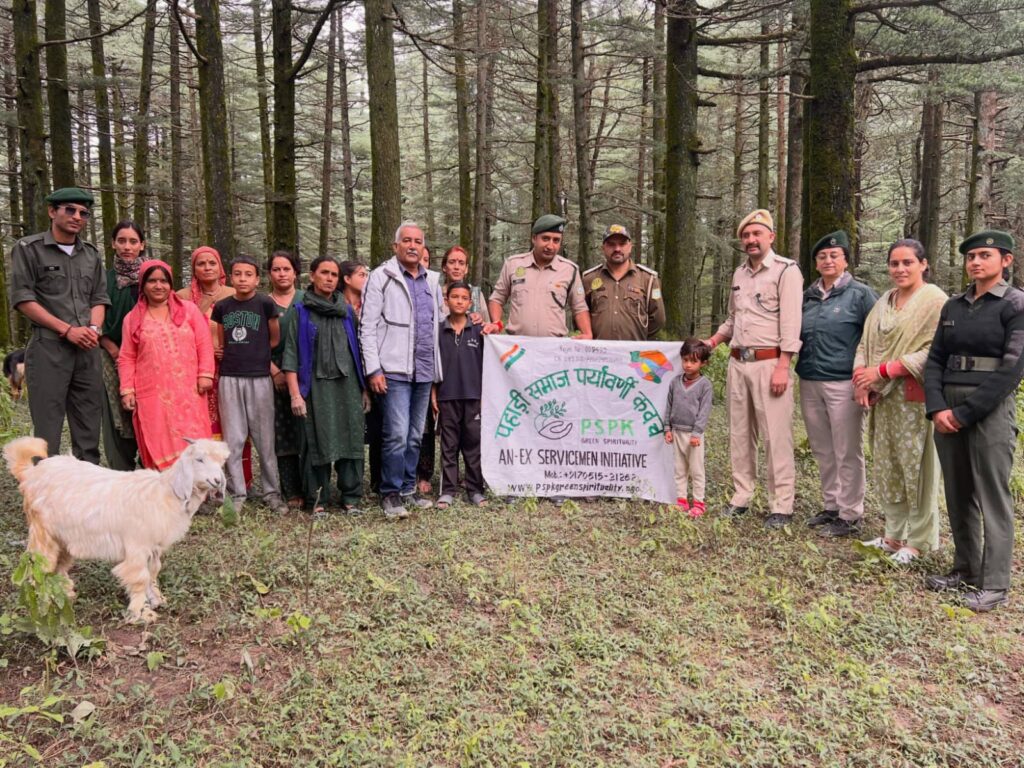
In September 2025, we organized major plantation events at Janedghat (Galba-Chail), Shillong Bagh, Bhrariya, and Nalagarh. These drives witnessed strong participation from Women Self-Help Groups, Mahila Mandals, village organizations, and officials from the Forest Department.
A special plantation drive involving Deodar (Devdar) saplings was also carried out in the Chail region as part of efforts to strengthen native Himalayan vegetation and improve long-term ecological sustainability.
Key Role of Women’s Groups and Community Leadership
A major driving force behind the campaign was Raveena Chuhan, whose dedicated efforts and grassroots outreach played an important role in mobilizing local women’s groups and community participation for the plantation drives.
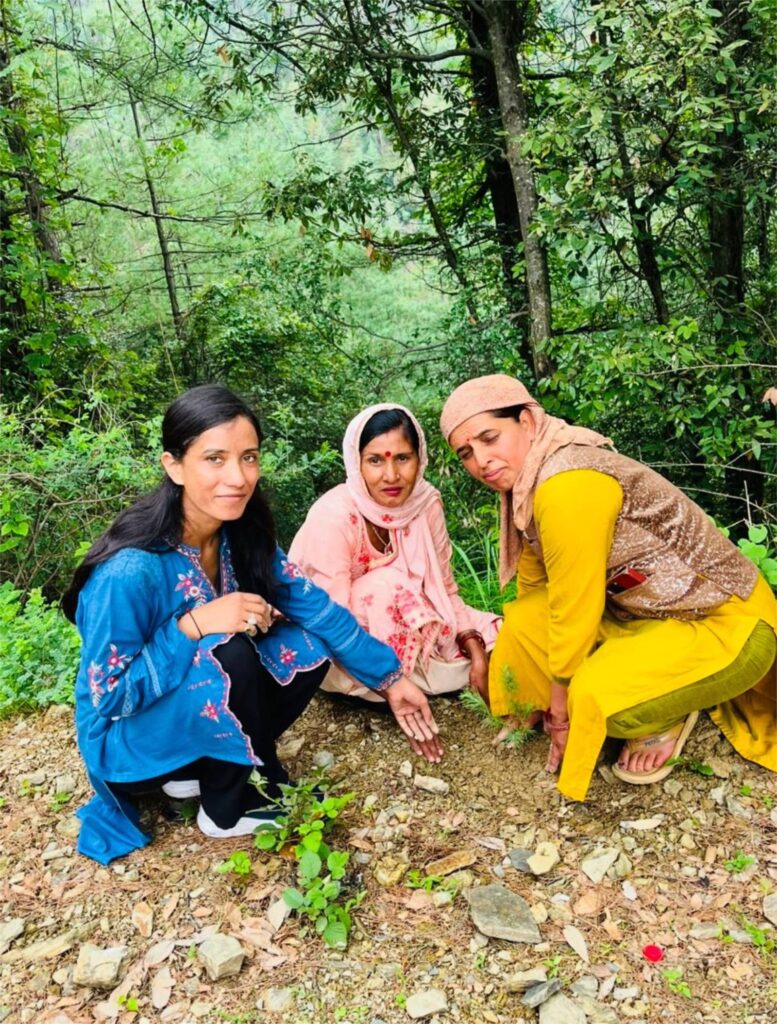
Through continuous coordination and motivation, she encouraged Mahila Mandals, Women Self-Help Groups, and local volunteers to actively participate in environmental conservation efforts. Her contribution significantly strengthened the campaign’s outreach at the village level and helped create greater awareness regarding ecological protection and community responsibility towards nature.
Collaboration and Public Participation
The campaign was conducted in collaboration with several local institutions and community organizations, including:
- Forest Department officials and Forest Guards
- Gram Panchayats
- LRP teams
- Village Organizations (VO)
- Women Self-Help Groups
- Mahila Mandals
- Local volunteers and social workers
The success of the campaign reflects growing environmental awareness among citizens and increasing community participation in conservation initiatives across Himachal Pradesh.
Saplings Sourced from Forest Nurseries
Saplings used during the campaign were sourced from various forest nurseries, including:
- Mashobra Forest Nursery
- Dhalibagda Nursery
- Chail Forest Nursery
- Baddi Forest Nursery
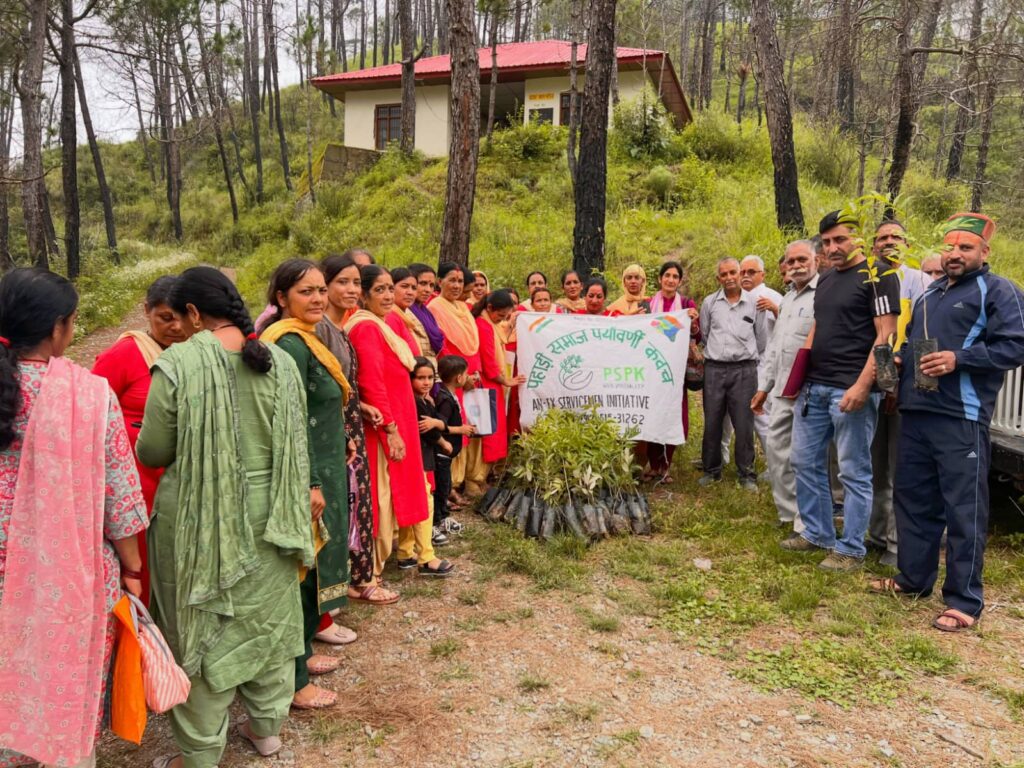
The plantation campaign included a mix of environmentally suitable species, with particular emphasis on native Himalayan varieties such as Deodar.
Commitment Towards Himalayan Ecology
Environmental protection in the Himalayan region requires continuous collective effort. Rapid ecological degradation, deforestation, climate-related challenges, and pressure on natural resources make afforestation and community-led conservation increasingly important.
Plantation drives alone are not sufficient unless they are accompanied by long-term care, protection of saplings, public awareness, and sustainable environmental practices.
By planting more than 4,500 saplings across different regions, we hope to contribute meaningfully towards improving green cover, strengthening biodiversity, conserving soil and water resources, and encouraging wider public participation in environmental protection efforts across Himachal Pradesh.
Related Articles
More stories and updates worth exploring from our journey.