Forest Fires in Himachal: A Systemic Land Use and Rural Economy Crisis

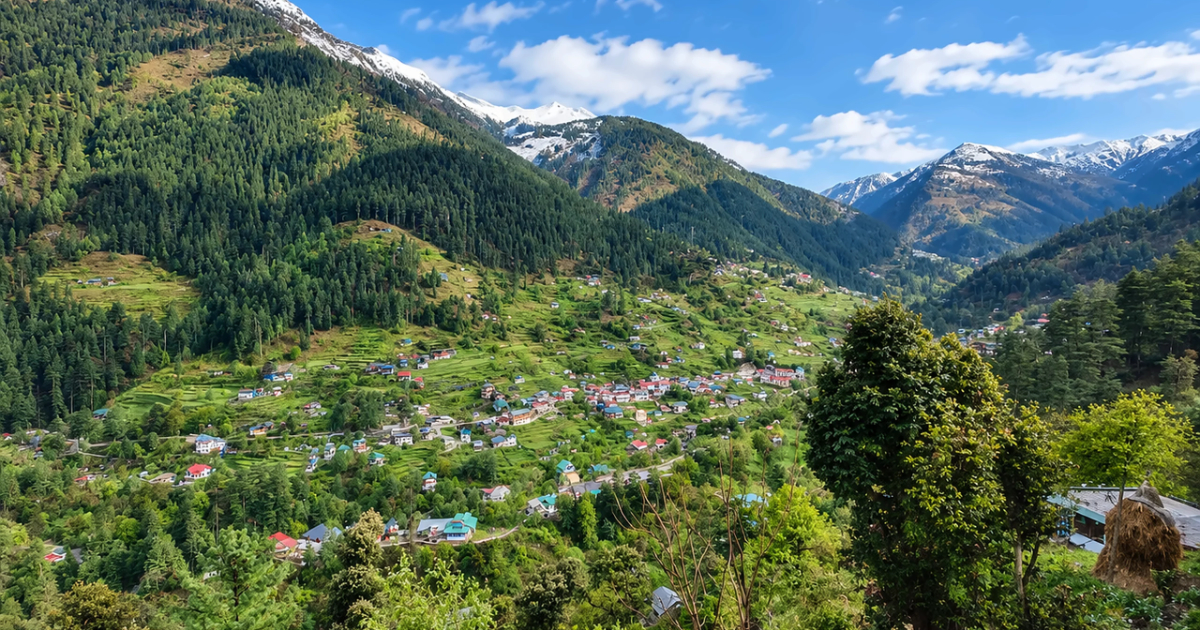
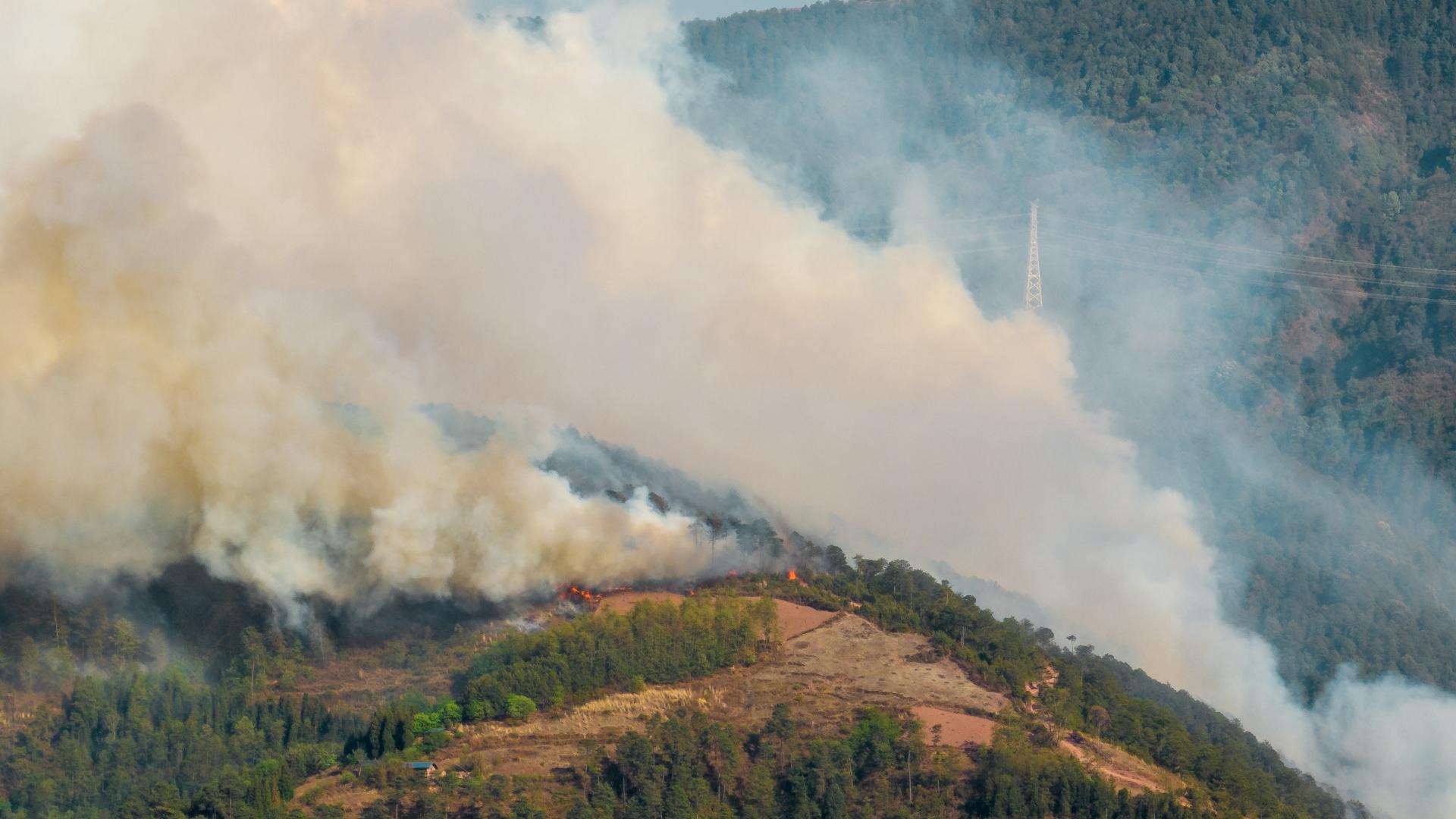
Every summer, the hills of Himachal Pradesh burn. Forest departments rush personnel and equipment to affected areas, emergency advisories are issued, and the public conversation often returns to the same explanation: forest fires are a seasonal disaster that need better firefighting systems.
This view is incomplete. It treats the visible flames as the main problem while ignoring the deeper causes that keep producing the same crisis year after year. Forest fires in the western Himalaya are not only a matter of firefighting. They are a sign of a wider failure in land use, rural economic incentives, infrastructure planning, and governance of common natural resources.
The Myth of Accidental or Natural Fires
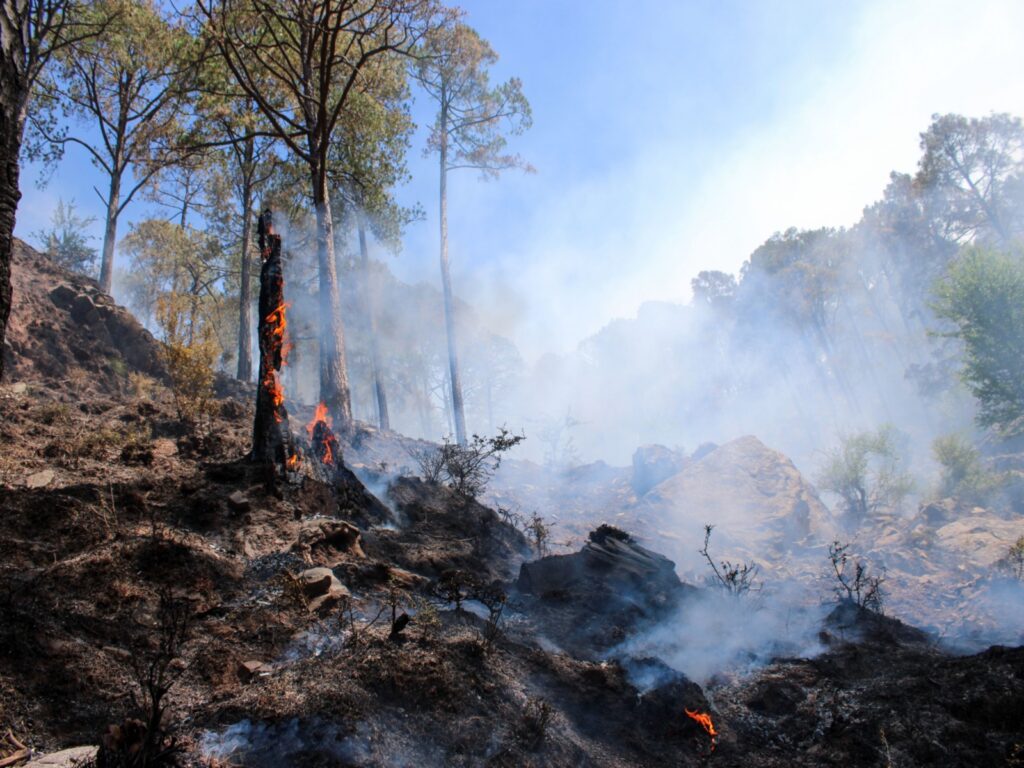
Forest fires are often blamed on carelessness, tourists, or climate change alone. These factors can play a role, but they do not explain the full pattern. Data shows that more than 95 percent of forest fires in India, including Himachal Pradesh, are caused by human activity.
Many fires are deliberate. In several areas, grasslands, forest edges, and scrublands are intentionally burned before the monsoon to encourage fresh grass growth. What may once have been a controlled local practice linked to household livestock needs has changed in scale and purpose.
Grass, leaf litter, fuelwood, and resin are now part of rural economic activity. Burning becomes the cheapest method to clear biomass and trigger quick regrowth for sale. The immediate benefits may be local, but the ecological costs are carried by the larger landscape. Forest degradation, soil erosion, weaker watersheds, and loss of biodiversity are left for future generations.
From Traditional Stewardship to Commercial Extraction
Himalayan communities once had systems of seasonal grazing, rotational use, and informal village regulation. These systems helped control when burning took place, how much land was used, and how common resources were protected.
Over time, these community controls have weakened. Migration, cash economies, political interference, and social fragmentation have reduced the authority of local institutions. In many places, there is no effective system to decide who burns, when burning happens, or how much land is affected.
Local fodder and biomass have increasingly become marketable commodities. As extraction volumes rise, the incentive for repeated and wider burning also increases. This changes the relationship between people and forests from careful use to short term extraction.
Road Expansion as an Accelerant
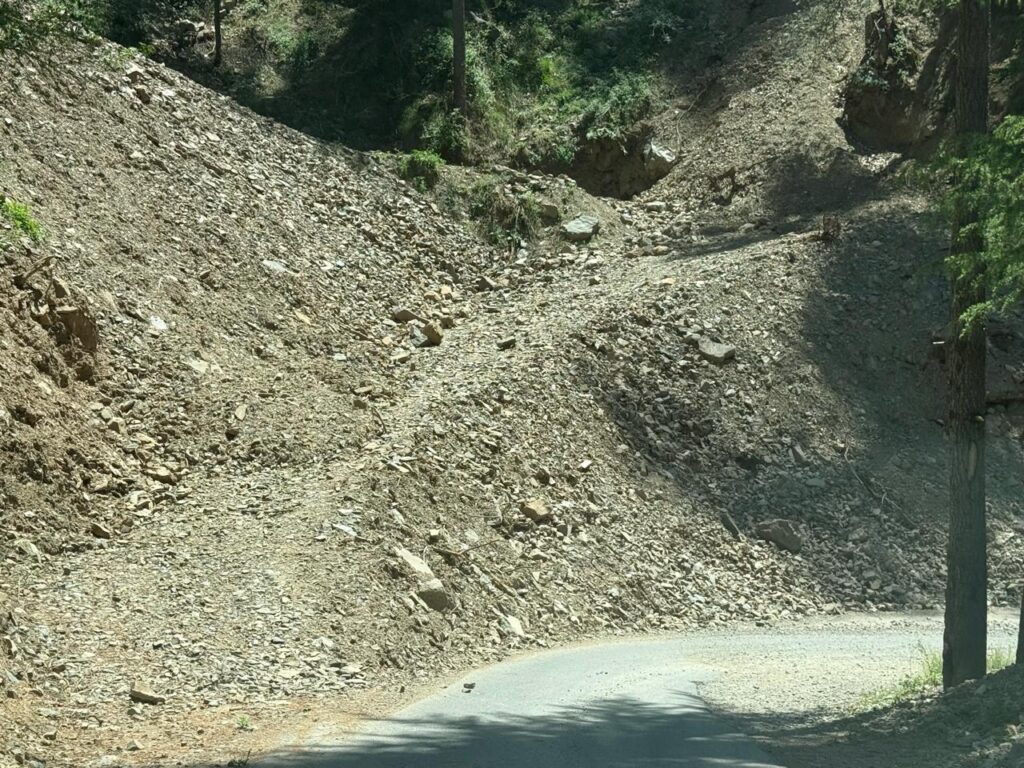
New roads are often seen only as symbols of development. However, they also make remote forest areas easier to access. This can increase commercial extraction, ignition sources, habitat fragmentation, and encroachment. A forest that was once difficult to reach can become economically attractive and ecologically vulnerable very quickly.
The Chir Pine Trap
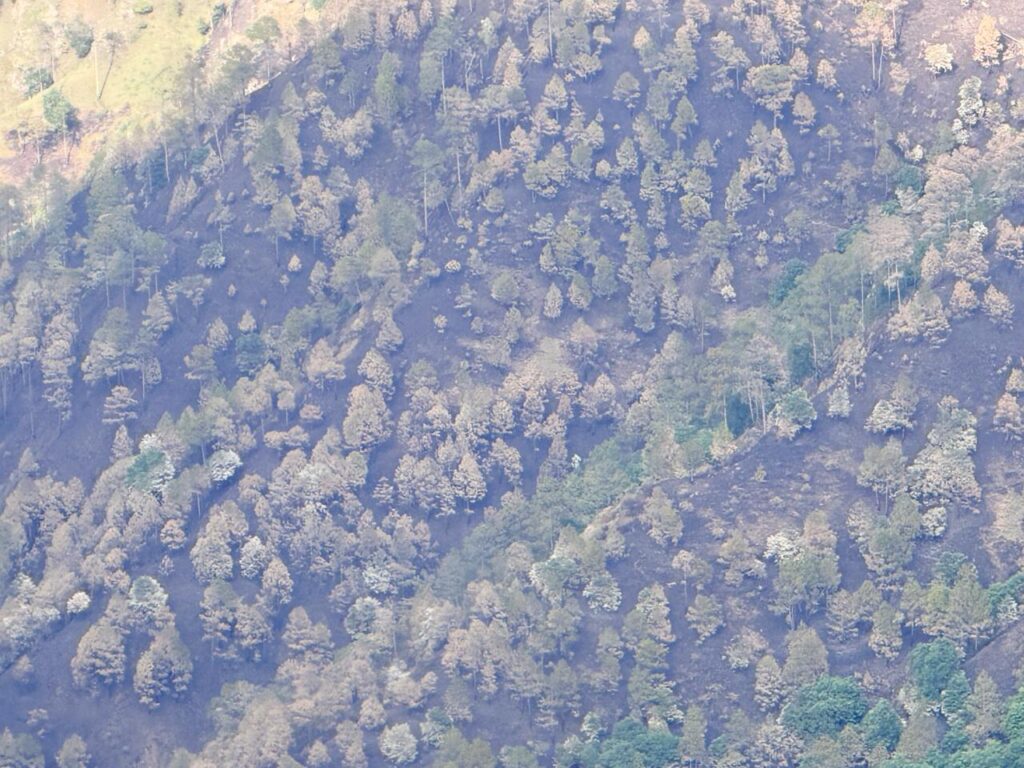
Repeated fires gradually reshape the forest. Fire sensitive broadleaf species such as oak are suppressed, while chir pine spreads more easily in disturbed landscapes.
This creates a dangerous ecological feedback loop. Chir pine produces thick, resin rich needle litter that burns easily and burns hot. More pine means more fuel. More fuel means more fire. More fire further reduces broadleaf regeneration and strengthens pine dominance.
This is not natural forest succession. It is the human driven simplification of diverse and resilient forests into more fragile and fire prone landscapes.
Climate Change Is an Amplifier, Not the Root Cause
Rising temperatures, longer dry periods, reduced winter precipitation, and lower soil moisture have made forest fires more intense and have extended the fire season. Global trends also show that wildfires are burning far more tree cover than they did two decades ago.
However, climate change alone does not explain why fires return to specific human modified landscapes year after year. The sparks, fuel loads, and land use pressures are deeply connected to social and economic systems.
The Silent Crisis of Water Security

The most serious long term impact of repeated forest fires is often invisible. Fires destroy leaf litter and organic matter that help soil function like a natural sponge. When this layer is lost, rainwater runs off more quickly, soil erosion increases, and groundwater recharge weakens.
This directly affects springs, streams, and village water security. Oak and mixed broadleaf forests are especially important for regulating water. Their degradation contributes to drying springs, reduced stream flow, and summer water scarcity.
The hills may burn in April and May, but the impact is felt in June and July when villages face acute water shortages. This is no longer only a forestry issue. It is a water security, livelihood, and ecological emergency affecting mountain communities.
Recent data shows hundreds of fire incidents annually in Himachal Pradesh, with thousands of hectares affected in difficult years. Mandi, Dharamshala, and other forest circles frequently bear the burden.
Why Firefighting Alone Cannot Solve the Crisis
Fire lines, watchers, drones, helicopters, and emergency response systems may help contain individual fires. They are important during active fire events. But they cannot solve the deeper economic and policy drivers behind repeated burning.
Suppression treats the visible symptom. The real issue is a system that rewards short term extraction while pushing ecological costs onto forests, water sources, soil, and future generations.
A New Ecological Land Use Agenda
Breaking this cycle requires a shift from seasonal crisis response to long term landscape governance. Himachal Pradesh needs solutions that address land use, livelihoods, forest health, and water security together.
Key priorities include:
- Regulating commercial biomass extraction through sustainable limits, value addition, and alternatives to wasteful burning.
- Restoring oak and mixed broadleaf forests in suitable areas while managing chir pine more strategically.
- Reforming infrastructure policy by requiring serious fire risk and hydrological impact assessments for new roads and projects.
- Reviving community stewardship by empowering village institutions with clear responsibilities, rights, and incentives for conservation.
- Recognising forests as water infrastructure, especially on Himalayan slopes that serve as critical recharge zones.
- Integrating traditional knowledge with modern science so that rural livelihoods support ecological health instead of damaging it.
The Core Question Before Himachal
Forest fires in Himachal Pradesh are not primarily a firefighting failure. They are the predictable outcome of a development model that treats the Himalaya as an extractive frontier rather than a fragile and life sustaining ecosystem.
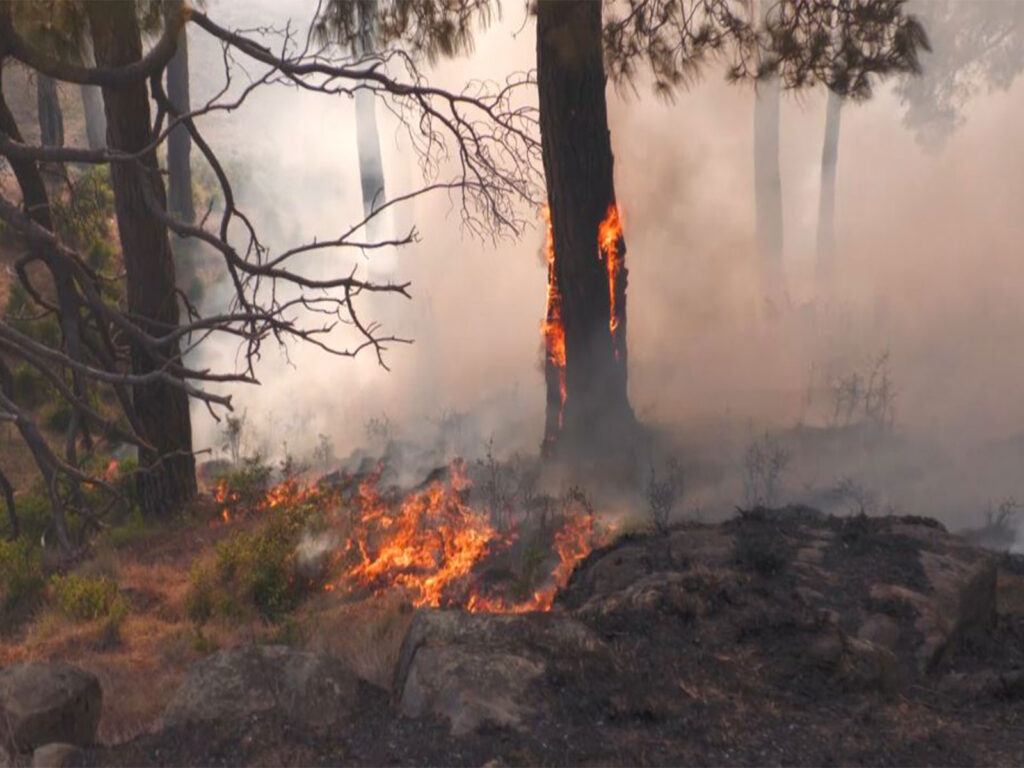
The flames on the slopes ask a deeper question: What kind of economy, land use system, and governance model are we building in these mountains?
Will it sustain water, biodiversity, forests, and communities for generations? Or will it consume the future for short term gain?
Until policymakers, administrators, and society confront these root causes honestly, the hills will continue to burn. The cost will be measured in lost forests, drying springs, eroded soils, weakened livelihoods, and damaged mountain ecosystems.
This crisis is not inevitable. With courageous, integrated policy and renewed community stewardship, Himachal Pradesh can break the cycle and become a model of ecological resilience for the Himalaya. The time for cosmetic responses is over. The mountain demands systemic change.
Related Articles
More stories and updates worth exploring from our journey.