Himalayan Impact Watch Raises Concern Over Regularisation of Forest Encroachments in HP

As Himachal Pradesh debates the regularisation of forest encroachments, Himalayan Impact Watch warns that the issue goes far beyond land ownership. At stake is the future of fragile Himalayan forests, public ecological heritage, and the moral direction of governance in one of India’s most sensitive mountain regions.
Media Statement on Forest Encroachments in Himachal Pradesh
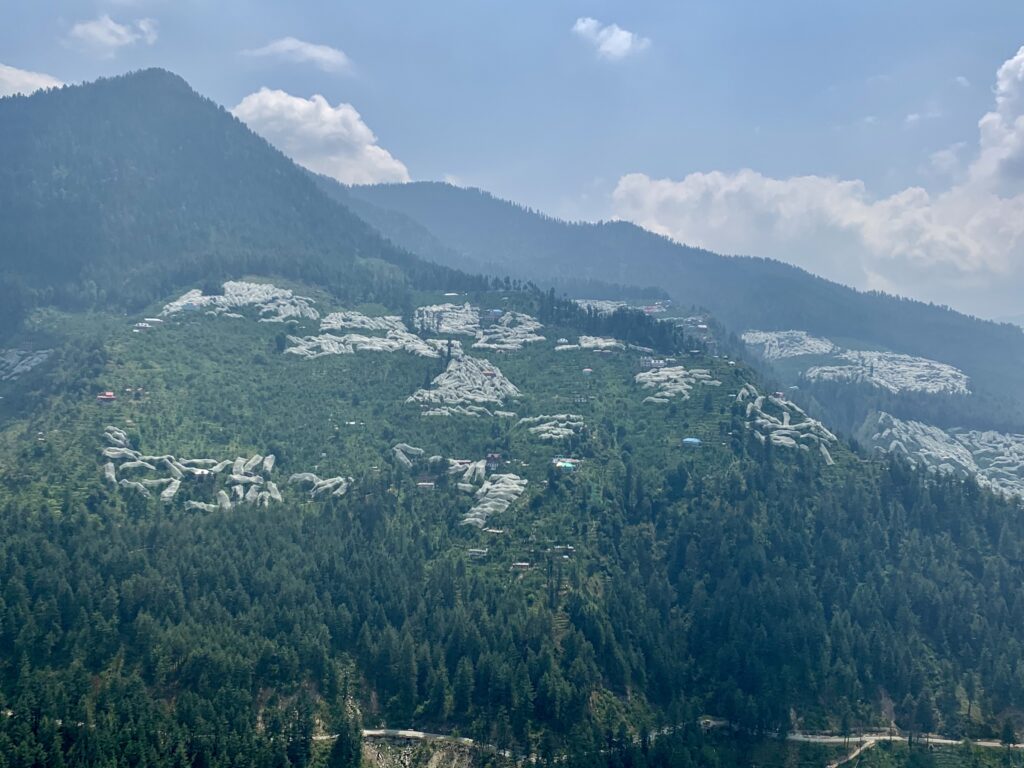
The recent move towards regularisation of illegal occupation of forest land in Himachal Pradesh raises grave ecological, moral, and governance concerns for every citizen who cares about the future of the Himalayas.
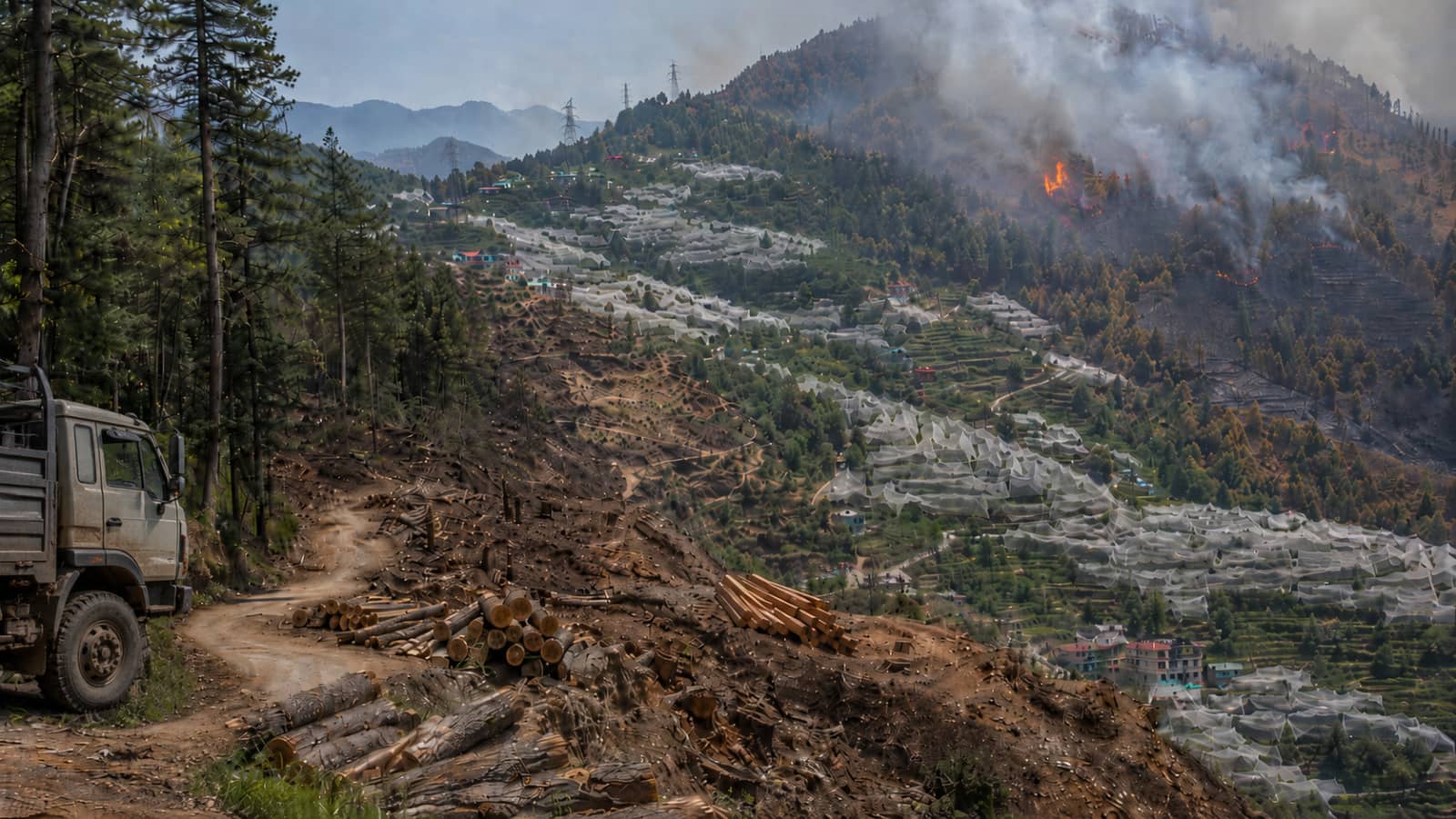
While genuine landless and marginal families deserve humanitarian consideration, the larger and disturbing reality cannot be ignored. Across many parts of Himachal Pradesh, forest land has been systematically encroached upon over decades through organised destruction of natural ecosystems.
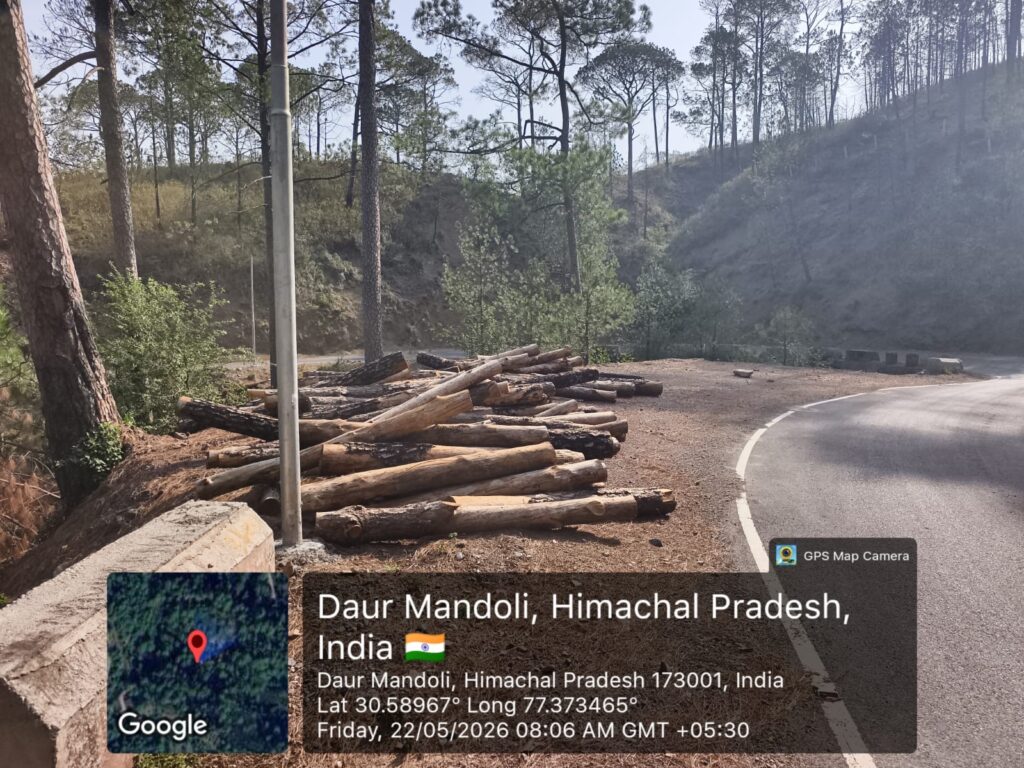
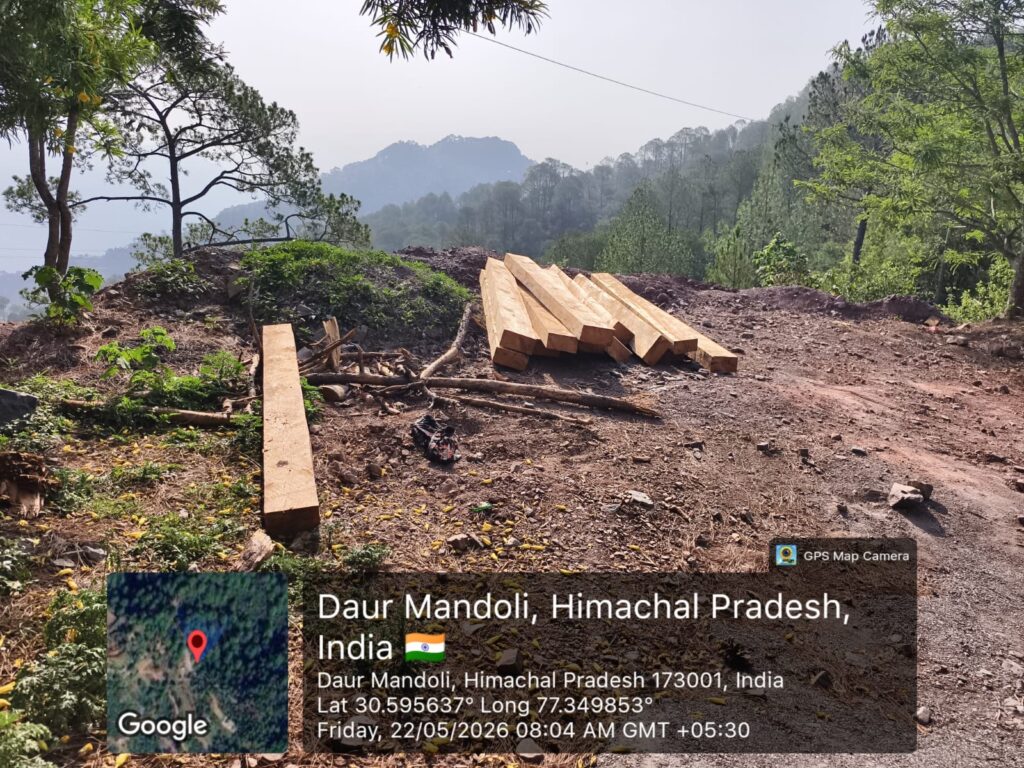
Large areas of precious ban, oak, and deodar forests, which took centuries to evolve, have been illegally cut, cleared, and converted into commercial horticulture zones. In numerous cases, valuable timber was first extracted and sold, followed by gradual conversion of public forest land into private orchards and cultivated holdings.
Today, the same illegal occupation is being considered for legal regularisation.
This sends a dangerous message: destroy forests, occupy public land, commercially exploit natural resources, and eventually the system will legitimise the encroachment.
The Issue Is Not Merely About Land Ownership
The issue is about the systematic weakening of Himalayan ecology.
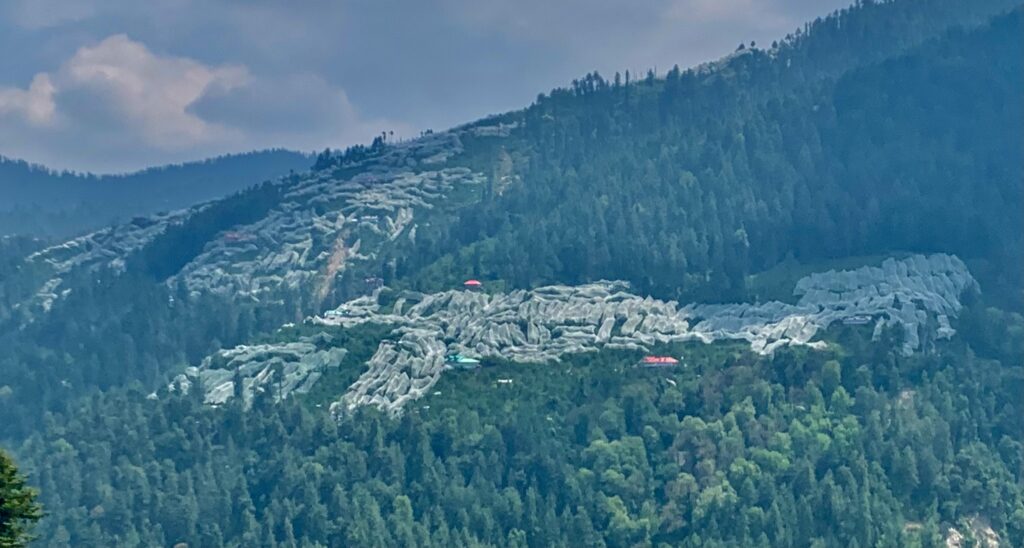
Natural forests in the Himalayas are not empty land banks waiting for economic conversion. Ban, oak, and deodar forests are critical ecological infrastructure. They conserve water, recharge springs, stabilise slopes, regulate climate, prevent erosion, and protect fragile mountain ecosystems from collapse.
Replacing natural forests with horticulture plantations cannot compensate for the ecological loss caused by destruction of mature forests.
At a time when Himachal Pradesh is witnessing:
- Increasing landslides
- Flash floods
- Drying water sources
- Erratic rainfall
- Climate instability
- Rising ecological disasters
policies that indirectly reward forest destruction threaten the long term survival of the Himalayan region itself.
Questions of Governance and Accountability
Equally serious is the institutional failure behind this crisis.
Illegal encroachments, tree felling, road access, commercial horticulture activity, and land conversion do not occur overnight. These developments continue for years in full public view. This raises legitimate questions regarding administrative accountability, enforcement failure, and political patronage.
Himalayan Impact Watch believes there must be a clear distinction between:
- Genuinely landless poor families surviving on small patches of land
- Large scale commercial encroachments involving destruction of ecologically significant forests
Treating both categories identically would amount to injustice against law abiding citizens and against future generations who will inherit an ecologically weakened Himalaya.
A Moral Crisis in Himalayan Governance
And what about the honest villagers and small farmers who never occupied forest land?
What is their fault?
They respected the law. They protected forests. They survived on small land holdings without destroying public land.
Today, those who captured forests, cut ancient trees, and converted public land into private profit stand to gain legal ownership, while honest citizens are left behind.
When illegality is rewarded and integrity is penalised, society sends a dangerous message to future generations:
Obeying the law is for fools. Encroachment is the real path to success.
This is not merely an environmental crisis. It is a moral crisis in Himalayan governance.
Himalayan Forests Are Ecological Assets
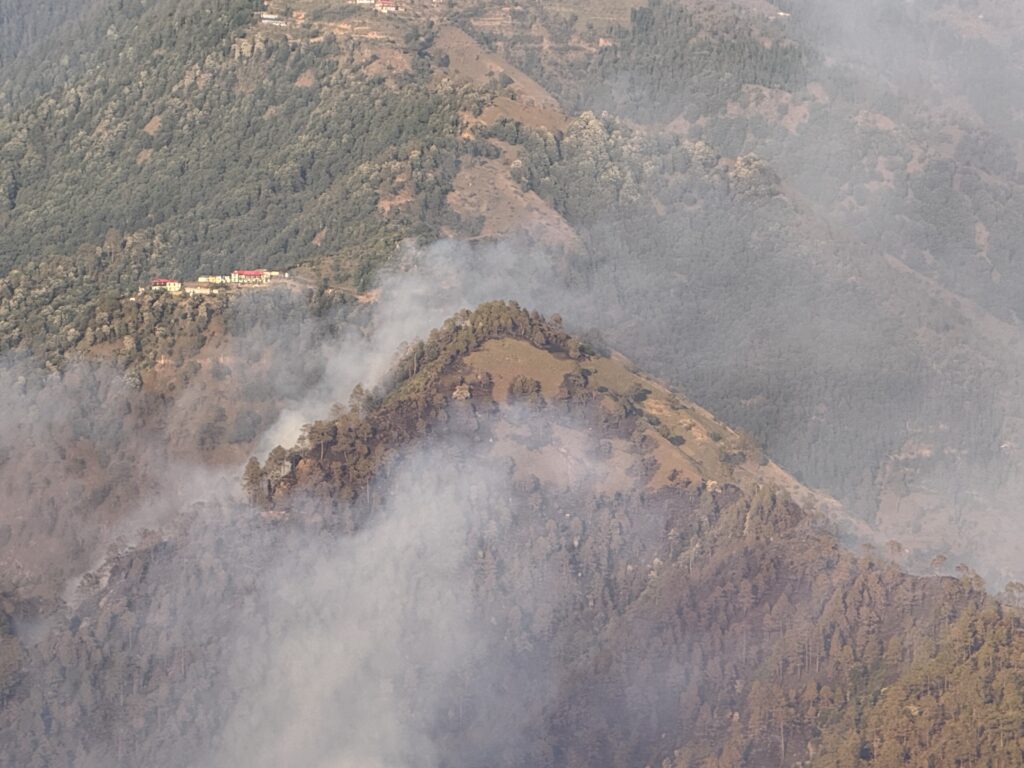
The Himalayas are already under immense pressure from unregulated construction, road expansion, hydropower activity, tourism pressure, and climate change. Legalising ecological destruction under political pressure will further accelerate environmental instability.
The forests of Himachal Pradesh are not merely state property. They are ecological assets belonging to future generations of India.
Himalayan Impact Watch therefore calls for:
- Independent ecological assessment of all proposed regularisation areas
- Satellite and ground verification of forest destruction
- Strict distinction between subsistence occupation and commercial encroachment
- Accountability for illegal felling of forests
- Transparent public disclosure of encroachment records
- Long term Himalayan ecological protection policies
The Future of the Himalayas Cannot Be Sacrificed
The future of the Himalayas cannot be sacrificed for short term political convenience.
If natural forests disappear, no amount of compensation, policy correction, or economic gain will bring back the ecological security they provided for centuries. The time has come for Himachal Pradesh to decide whether its forests are public ecological heritage or merely land waiting to be captured, exploited, and legalised.
The core question is not merely legalisation of land. It is whether Himalayan governance is shifting from protection of ecological civilisation to institutionalised extraction of mountain ecosystems. This debate is not about politics alone. It is about the survival, dignity, and ecological future of the Himalayan region itself.
Related Articles
More stories and updates worth exploring from our journey.