The Commercialization of Himachal Pradesh and the Erosion of Himalayan Society

What is unfolding across parts of Himachal Pradesh is not merely uncontrolled tourism. It is the gradual takeover of Himalayan society by market forces and consumerist culture.
Under the attractive language of “tourism promotion“, “economic activity” and “summer festivals” an entire model of commercialization is being imposed upon fragile mountain towns such as Shimla, Kasol, Dharamshala, and Manali.
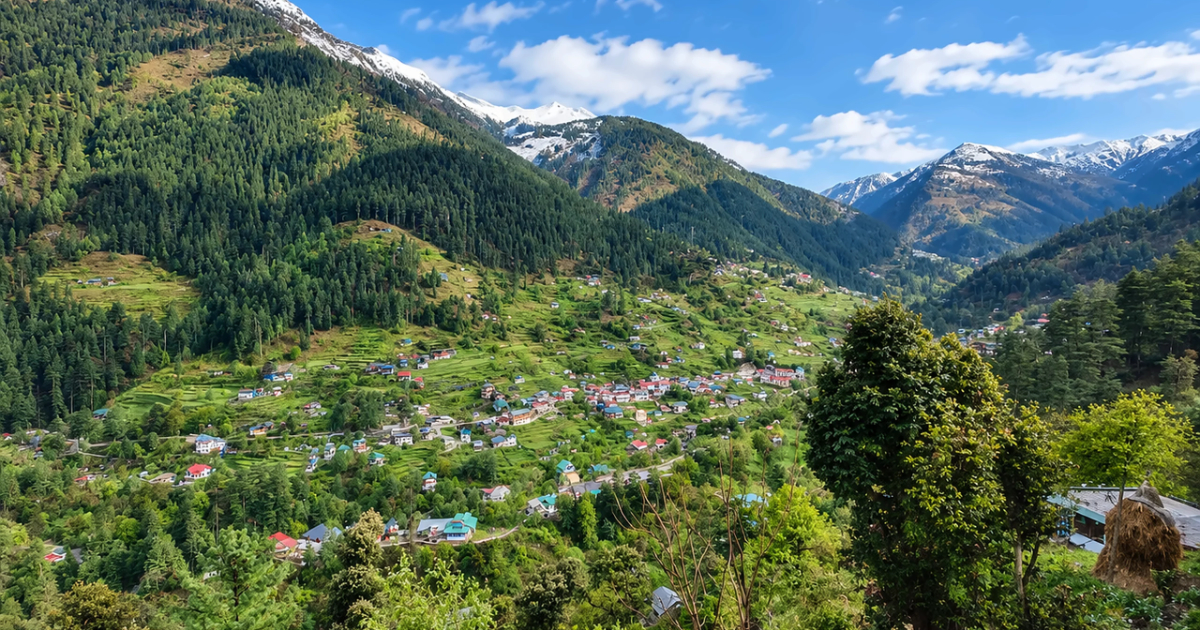
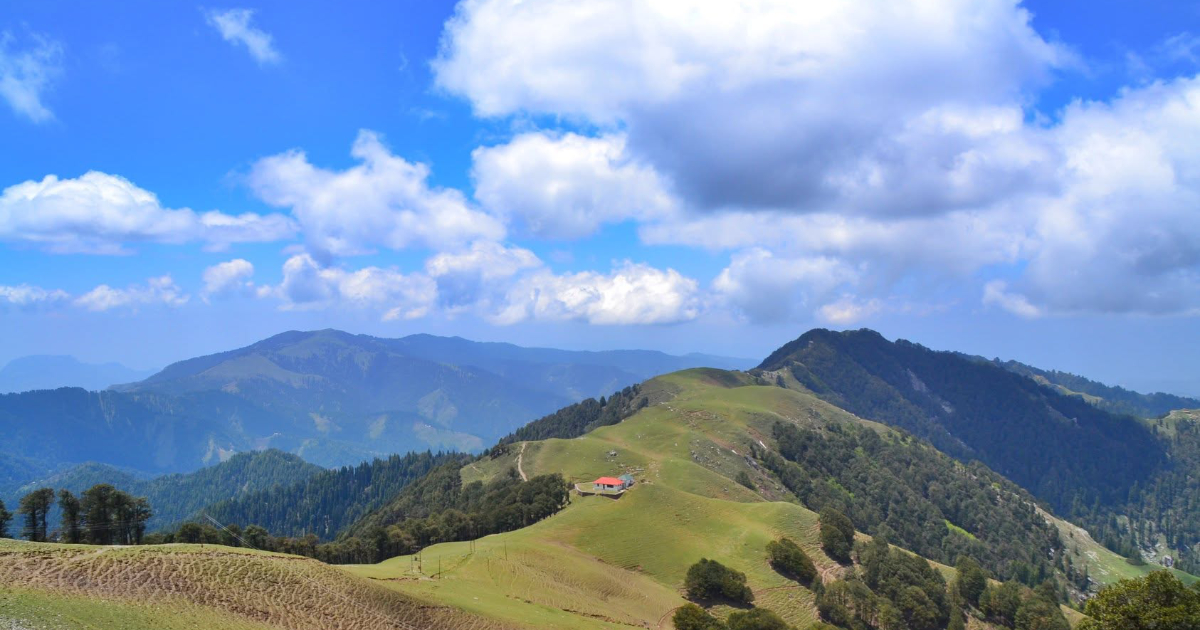
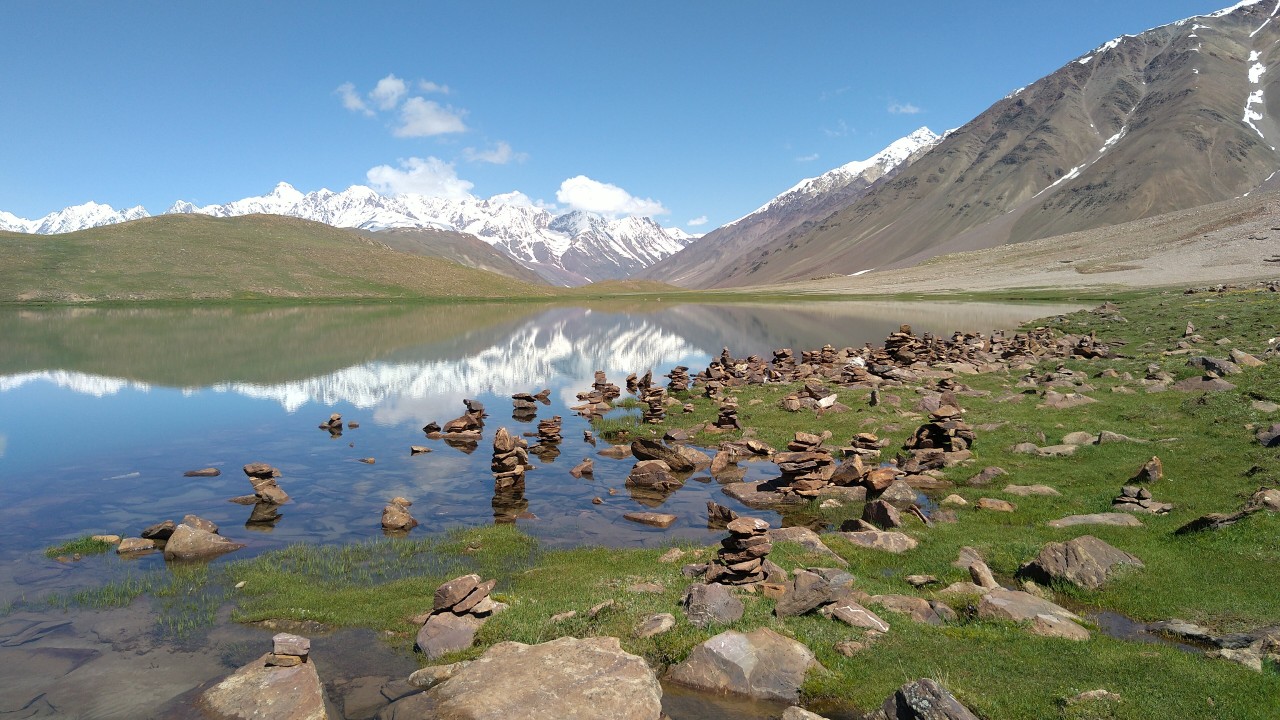
The Himalaya once represented restraint, silence, spirituality, forests, walking cultures, and emotional peace. Today, it is increasingly being reshaped into a seasonal entertainment economy driven almost entirely by profit.
A Mountain Society Under Commercial Pressure
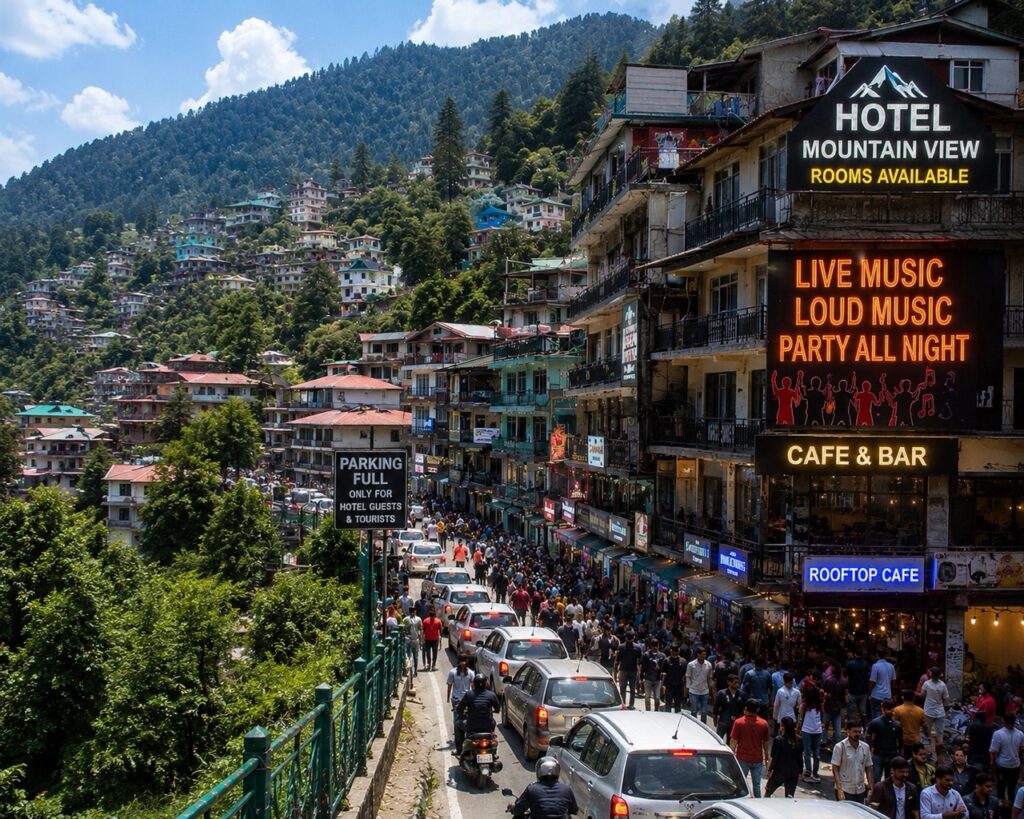
This transformation is visible everywhere.
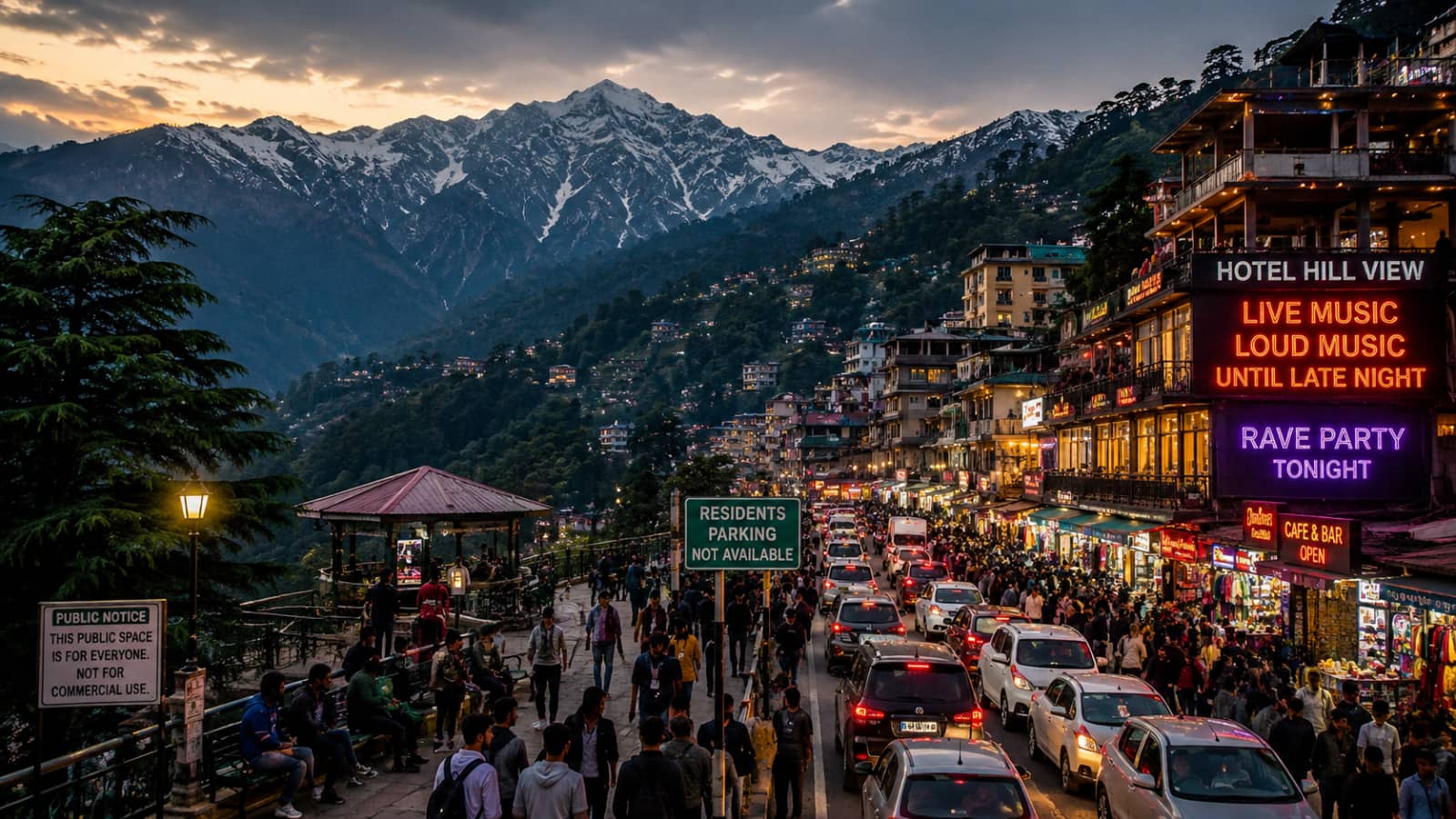
Hotels and commercial establishments located in residential areas often play loud, high-decibel music deep into the night. This disturbs families, students, elderly citizens, and working residents.
Complaints often produce little result because a public perception has emerged that sections of enforcement agencies, influential hotel owners, commercial operators, and political interests function in mutual convenience.
Rules exist. Implementation disappears.
Public spaces are increasingly serving commercial tourism rather than local residents. Parking spaces remain unavailable to locals because tourist vehicles generate greater earnings. Through arrangements with hotels and tourism operators, outsiders receive access and convenience while residents struggle for basic mobility in their own towns.
The Rise of Consumerism in Himalayan Life
The deeper issue goes beyond tourism mismanagement.
It is the growing domination of consumerism over Himalayan society.
Everything is now being converted into a commercial spectacle – mountains, culture, festivals, music, trekking, public spaces, and even spirituality.
Even events presented as social or public welfare activities increasingly operate within the logic of branding and market visibility. Marathons organised in the name of health, awareness, or public participation are often heavily sponsored by commercial interests seeking visibility and consumer reach.
The language may be public service, but the underlying structure is frequently market-driven promotion.
Public Grounds and Community Spaces Are Disappearing
In many Himachali towns, traditional playing fields and open public grounds are steadily disappearing beneath shopping complexes, temporary commercial stalls, parking spaces, and expanding market structures.
Land once meant for children, sports, and community interaction is increasingly viewed only through the lens of commercial value and profit generation.
Local shopkeepers participate.
Outside business interests participate.
Political structures participate.
Tourism operators participate.
The administration accommodates.
The market benefits.
Everyone becomes part of the same cycle.
As a result, Himalayan towns are slowly losing their ecological balance, cultural identity, and social dignity.
Noise, Intoxication, and the Changing Culture of Public Spaces
Meanwhile, an alien culture of intoxication and spectacle is gaining legitimacy.
Public smoking through hukkas, intoxicated gatherings on Mall Roads, rave-like celebrations, aggressive nightlife, and high-noise events increasingly dominate public spaces despite existing laws and regulations.
Even trekking culture is changing.
What was once associated with humility, endurance, silence, and connection with nature is increasingly reduced to social media performance. Trekking is now often projected through drinking, crowds, physical exhibitionism, and temporary excitement.
For many local youngsters facing boredom, unemployment, and lack of constructive opportunities, this culture naturally appears attractive.
After such events, one often hears:
“We enjoyed a lot… dancing in crowds… partying all night.”
But this temporary excitement masks a deeper erosion of values and identity.
A society slowly loses its sensitivity when entertainment becomes louder than reflection, and consumption becomes more important than culture.
When Commercialization Is Celebrated as Development
The most dangerous aspect is that this transformation is often celebrated as development.
Yet no mountain society can endlessly survive under – uncontrolled commercialization, traffic saturation, noise pollution, ecological destruction, and intoxication-driven tourism.
The Himalaya is not merely a marketplace. It is an ecological civilization.
If everything, including forests, festivals, silence, spirituality, public spaces, youth aspirations, and culture itself, is surrendered to market logic and profit-making, then the very soul of Himachal Pradesh will gradually disappear.
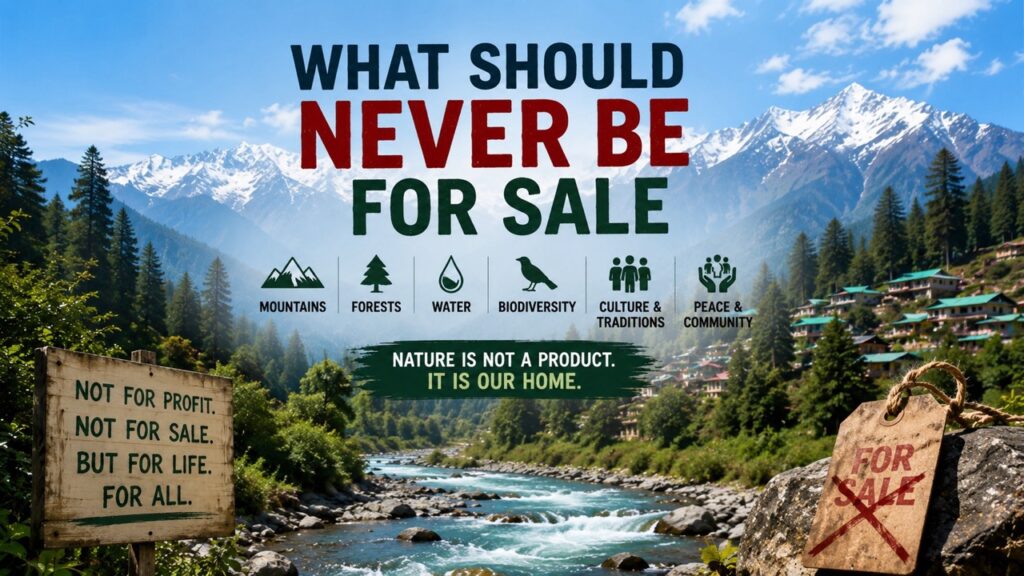
What Should Never Be for Sale
Tourism is necessary.
Livelihoods are necessary.
Economic activity is necessary.
But when profit becomes the only guiding principle, society loses the ability to protect what should never have been for sale in the first place.
Himachal Pradesh must not be reduced to a seasonal entertainment economy. Its mountains, towns, public spaces, culture, and silence carry a deeper civilizational value.
To protect the Himalaya, society must first recognise that nature is not an unlimited warehouse for exploitation and profit, but a living system of which human beings are only one part.
The future of Himachal depends not only on how much it earns from tourism, but on whether it can still protect its ecological balance, cultural dignity, and social soul.
Related Articles
More stories and updates worth exploring from our journey.