The Himalayan Bubble, When Luxury Climbs Higher than Nature
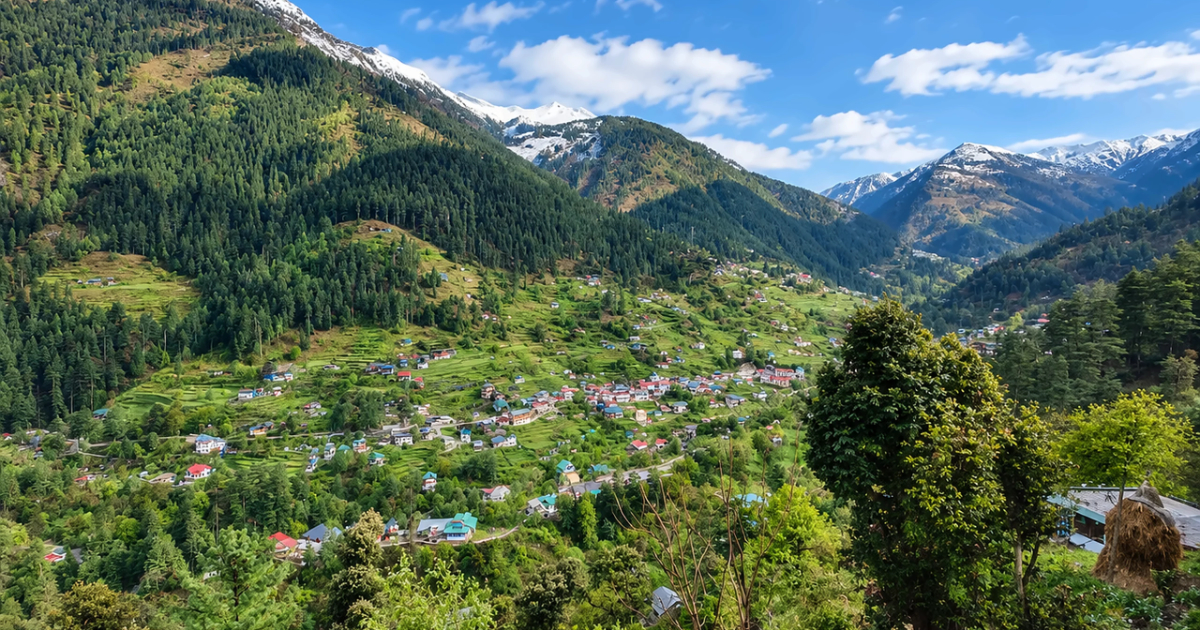
The Himalayas have always demanded humility. For centuries, mountain life was shaped by restraint, patience and adaptation. People adjusted to the rhythm of the landscape. Pilgrims walked, villages lived around natural springs, and homes were built with materials that belonged to the same slope.
Today, a different idea of mountain living is rising. It is built around comfort, access, consumption and exclusivity. The question before us is no longer only about development. It is about how much artificial comfort the Himalayas can carry before the living mountain begins to disappear.
A New Geography of Privilege
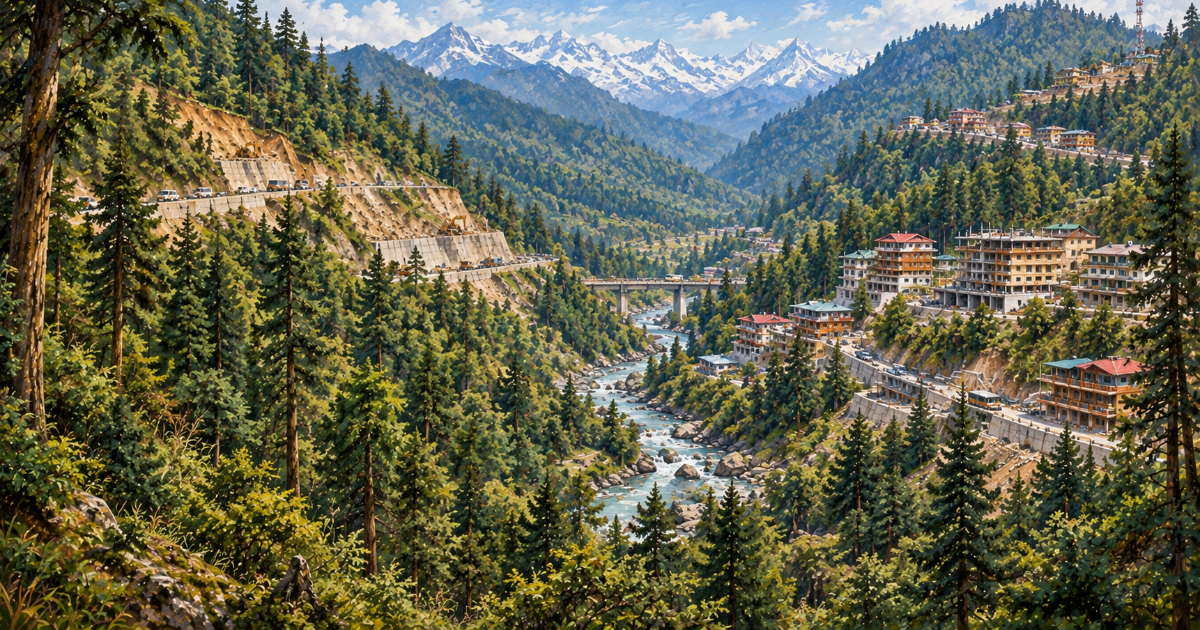
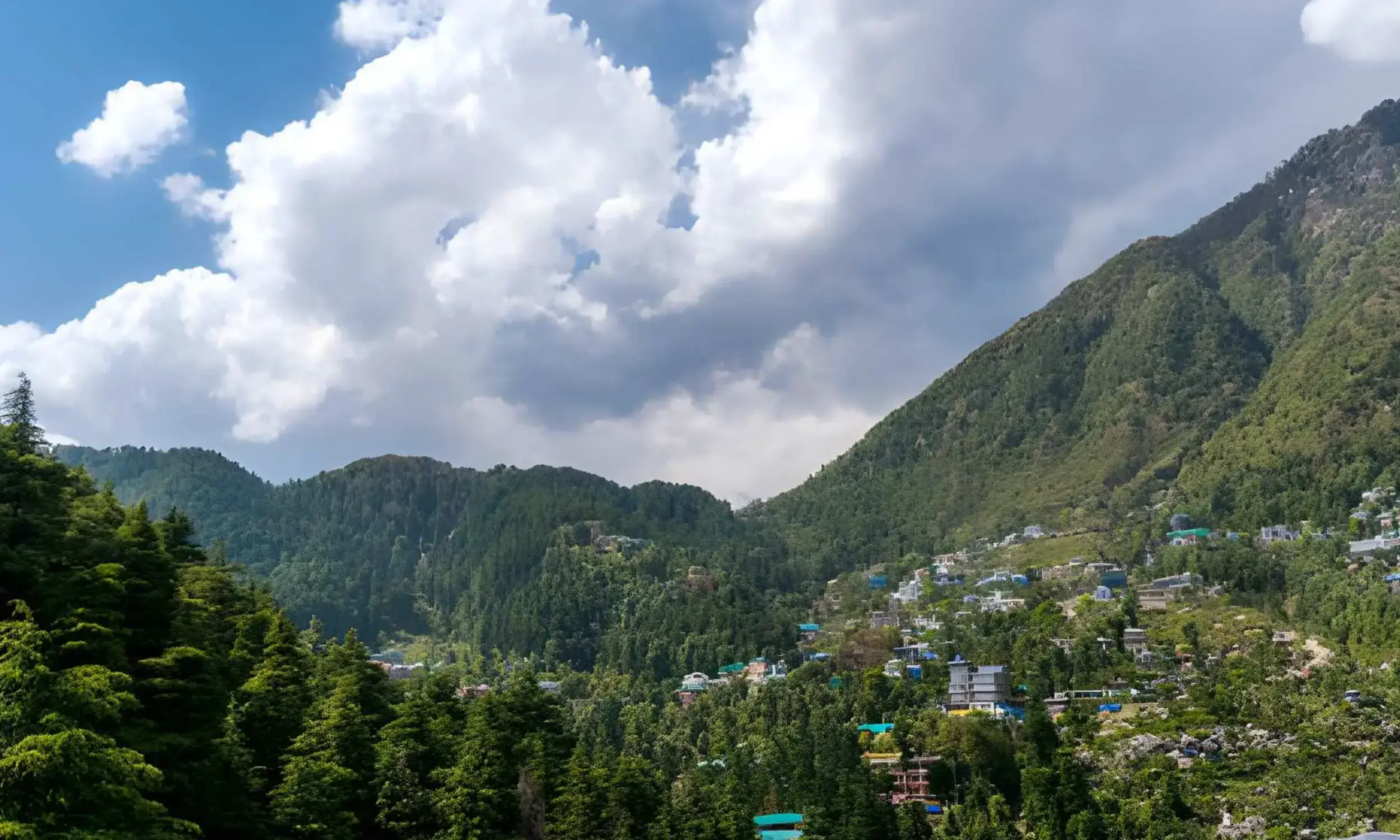
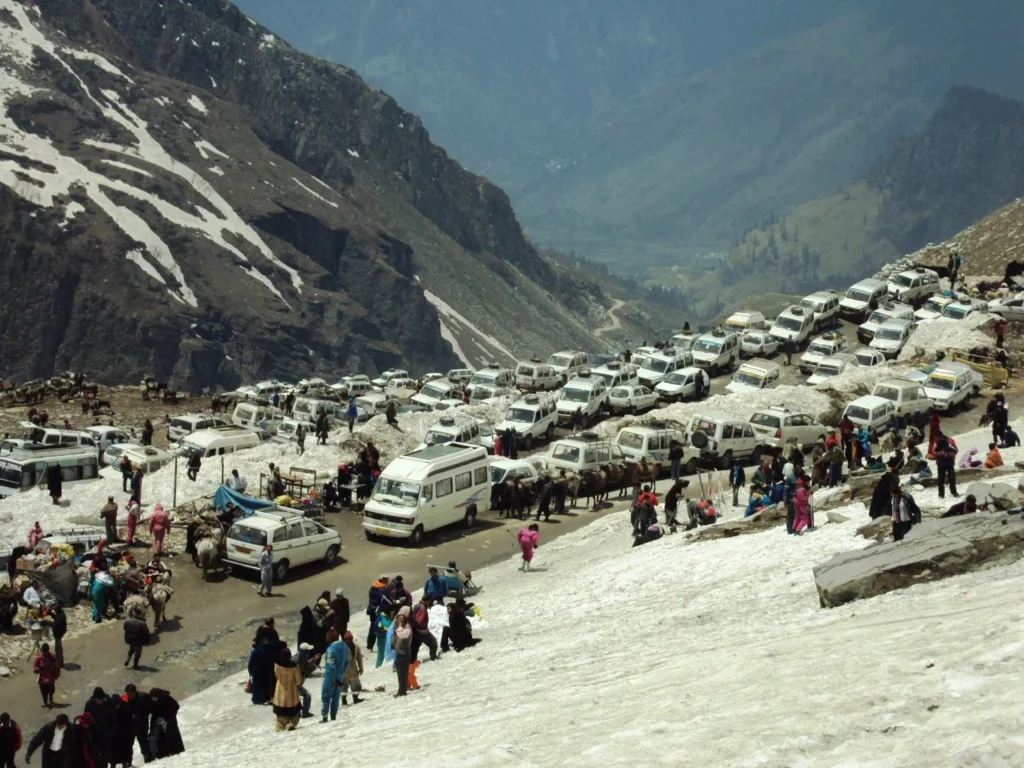
Across Himachal Pradesh, Uttarakhand, Ladakh and the Northeast, roads are climbing higher, forests are retreating, and luxury is staking claim to ridges once considered too sacred or too fragile for building.
High-end resorts, gated second-home communities, private villas, wellness retreats and “exclusive experiences” are now being marketed as the new mountain economy. But this is not just infrastructure. It is the creation of bubbles.
German philosopher Peter Sloterdijk described modern life as a retreat into artificial comfort zones that insulate people from the outside world. The Himalayas now host their own version of this retreat.
Inside the bubble, there is uninterrupted power, landscaped lawns, spas, gourmet kitchens, private roads and heated rooms. Outside the bubble, there are fragmented forests, choked wildlife corridors, landslides on over-cut slopes, and local communities facing water stress and lost livelihoods.
Nature is reduced to a backdrop for a photograph, not respected as a living system we depend on.
Ironically, many people come to the mountains seeking silence and clean air. Yet providing that luxury often requires exactly what destroys it: more roads, more concrete, more water extraction, more waste and more traffic.
The Pilgrimage Paradox
The same pattern is now visible along sacred routes.
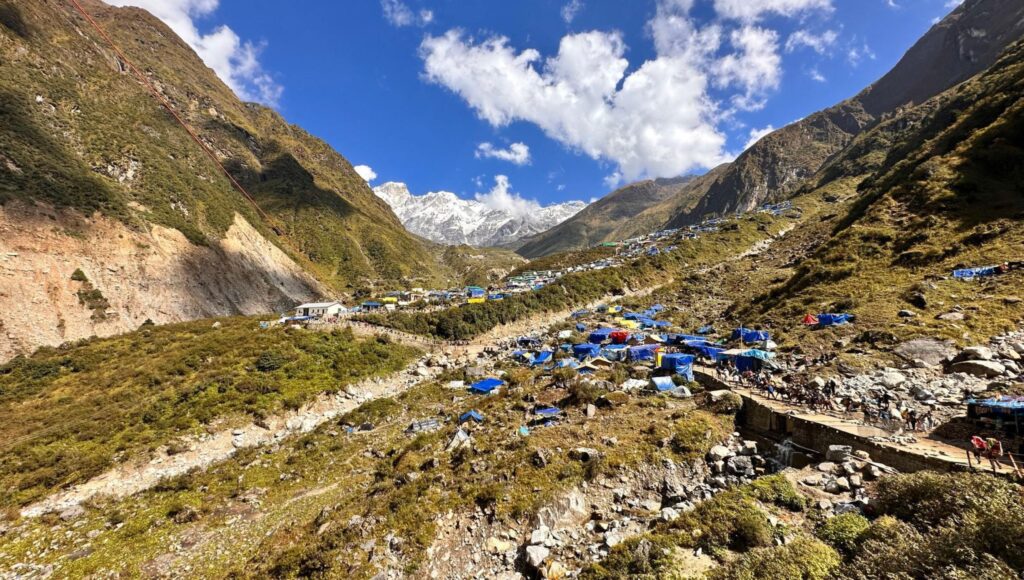
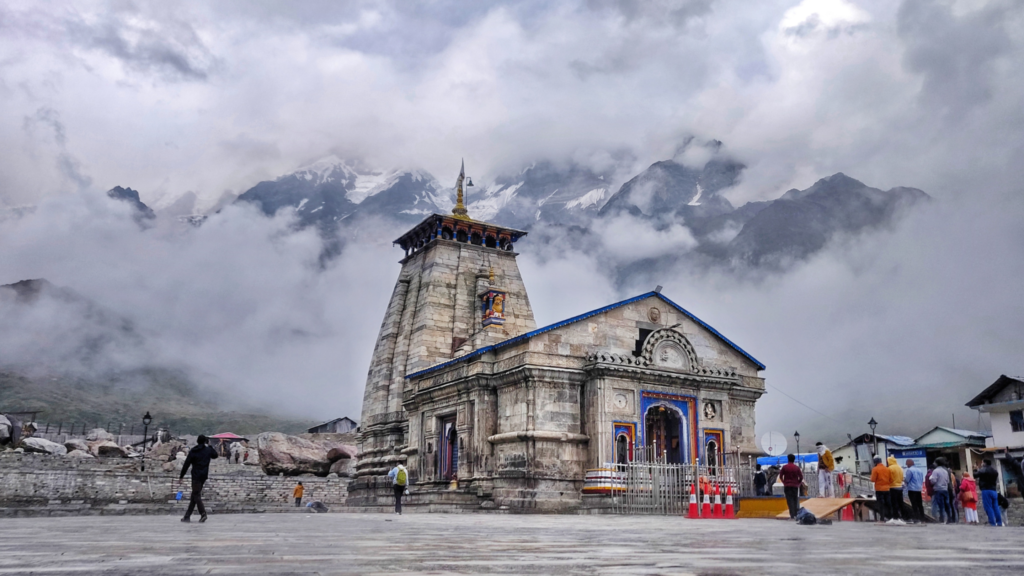
Roads built to “improve” pilgrimage to Kedarnath, Badrinath, Hemkund, Churdhar, Manimahesh or Shrikhand can quickly become commercial corridors. Parking lots replace meadows. Shops multiply. Hotels crowd the treeline. Land prices rise. Visitor numbers surge beyond what fragile mountain landscapes can absorb.
What begins as access can end as transformation.
The spiritual journey, once defined by effort, silence and reverence for the forest, is compressed into a drive-up darshan. We gain convenience, but we lose meaning.
A pilgrimage is not only about reaching a shrine. It is also about the discipline of the path. When the path is removed, the experience changes. When forests are cut, slopes are widened and every sacred height becomes reachable by traffic, the mountain itself becomes a casualty.
Roads Are Necessary. Endless Roads Are Not.
This is not an argument against development.
Mountain communities need roads for health, education, emergency response and dignity of life. Connectivity is a right. The question is not whether roads should exist. The question is where they should stop.
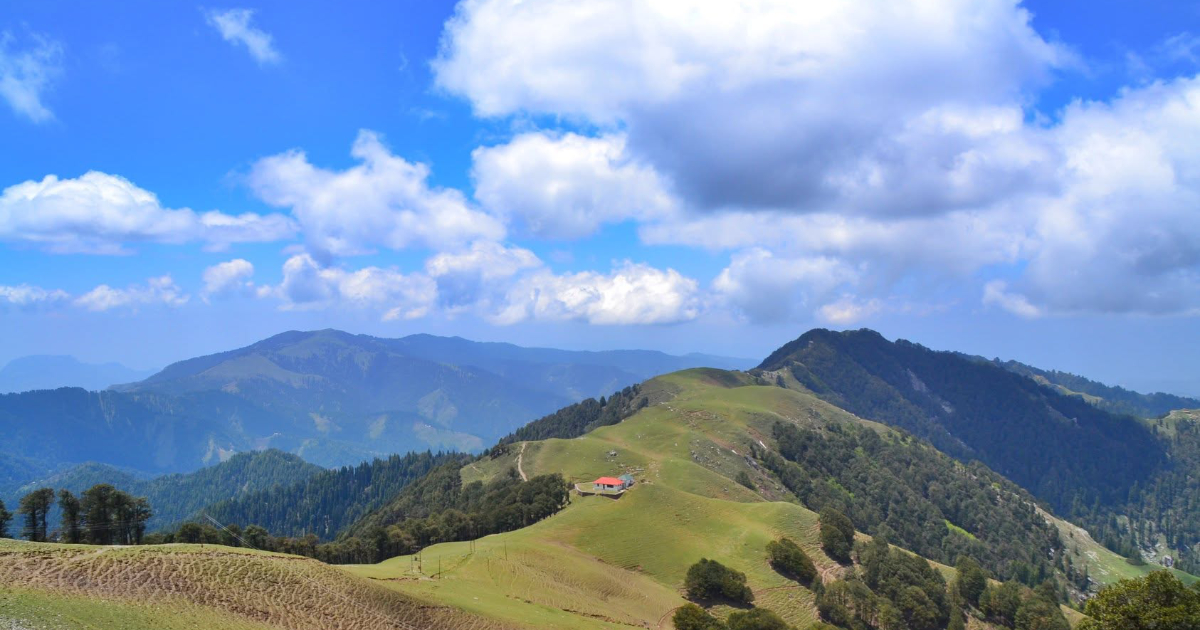
For ecologically sensitive shrines and high-altitude meadows, we need a wiser model.
Vehicles should halt at well-planned base camps with parking, waste management and local livelihood hubs. The final stretch should return to the spirit of a pedestrian pilgrimage, restored as a forest trail rather than extended as a highway.
Regulated electric shuttles, ponies and palanquins can serve the elderly and persons with disabilities. Emergency access can remain available, while commercial traffic remains restricted.
Such an approach can reduce emissions, congestion and slope disturbance. It can also revive the cultural ethos of parikrama and give forests and wildlife a chance to breathe. At the same time, it can support local porters, guides and homestays, allowing the benefits of pilgrimage to remain closer to the mountain communities.
The Himalayas Are Not a Real Estate Opportunity
The Himalayas are among the youngest and most fragile mountains on Earth. They are not just a tourism economy. They are India’s water towers, carbon sinks, biodiversity hotspots and sacred geography.
We have confused accessibility with progress and convenience with development. In doing so, we risk replacing living mountains with marketed experiences.
We are selling the view while weakening the ecosystem that creates it.
A mountain cannot be reduced to a balcony view, a weekend address or a luxury retreat. A forest is not decoration. A spring is not an amenity. A slope is not an empty surface waiting for construction.
Every road, hotel, villa and parking space has a cost. In fragile mountain regions, that cost is paid by forests, water, wildlife, soil stability and the quiet dignity of local communities.
Choosing Wisdom Over Height
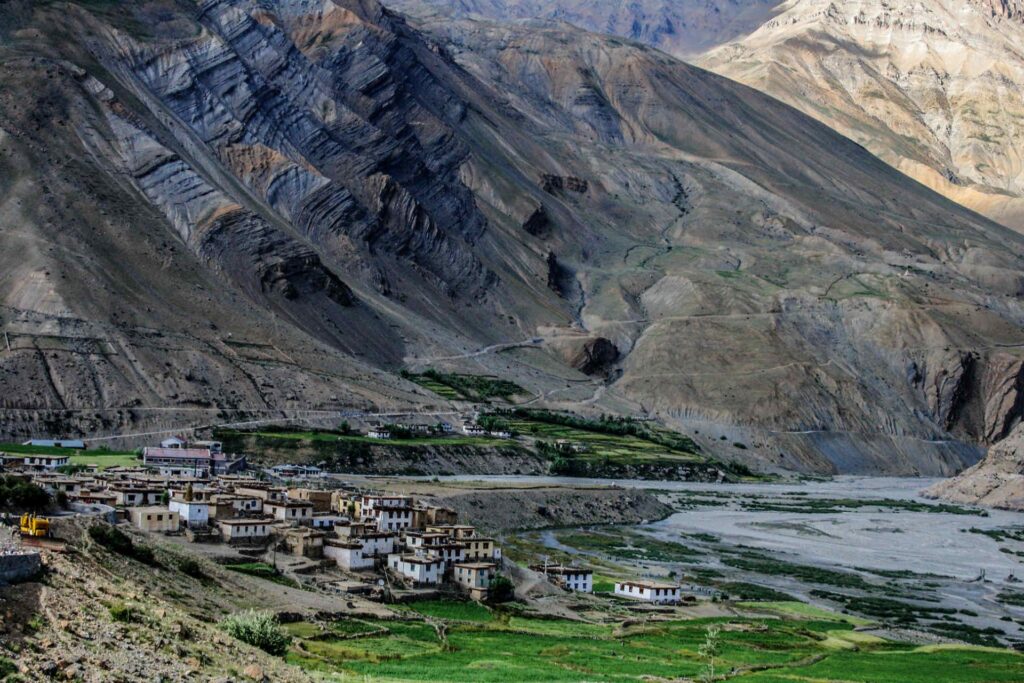
The Himalayas do not need more exclusive bubbles perched above struggling villages. They need a development model rooted in three non-negotiable principles. Ecological limits must guide every decision. We should build only what the slope, spring and forest can sustain. Cultural continuity must be protected. Pilgrimage should remain a walk of reverence, not only a drive of convenience.
Intergenerational responsibility must shape our choices. We must leave the next generation mountains that are alive, not merely landscaped. The choice is clear. We can keep building roads that carry more traffic into fragile heights, or we can build pathways that invite people to meet the Himalayas with humility.
The future will not be decided by how high our roads can climb. It will be decided by how wisely we choose to stop.
Related Articles
More stories and updates worth exploring from our journey.