The Himalayas Deserve More Than a False Choice Between Development and Conservation

The future of Himalayan communities should not be reduced to a choice between development and environmental protection. Mountain villages need reliable public services, economic opportunities, connectivity, and dignity.
However, these needs do not justify development approaches that weaken the forests, slopes, wildlife habitats, and water systems upon which those same communities depend.
Development Cannot Be Measured Only Through Roads
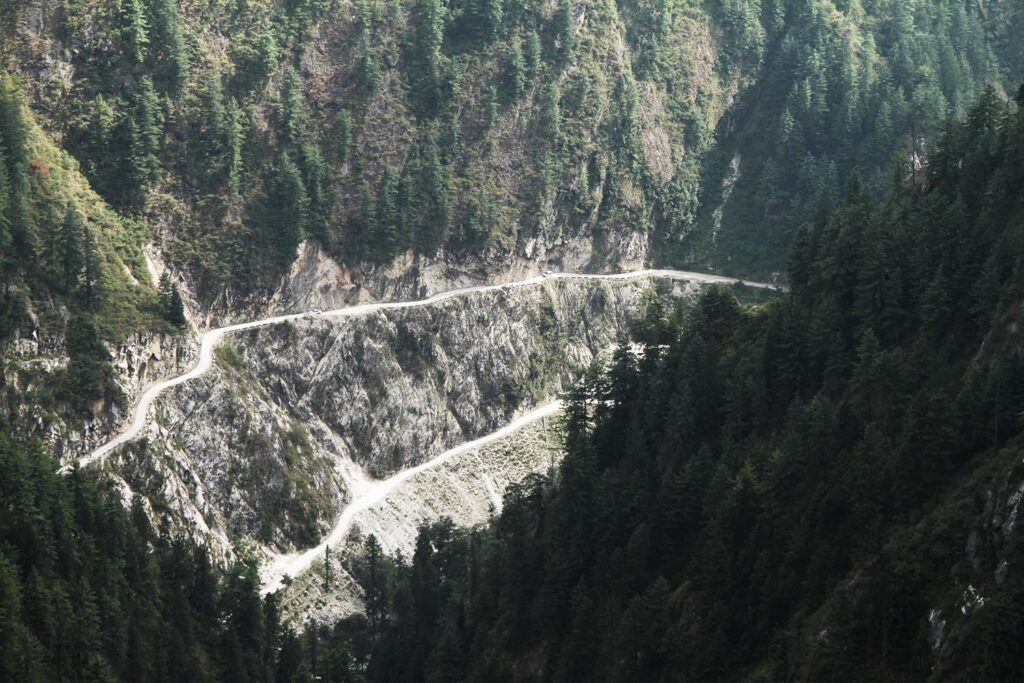
Roads are often presented as the primary sign of development in mountain regions. They can improve access to markets, healthcare, education, and essential services. However, road construction is not the only way to deliver these benefits.
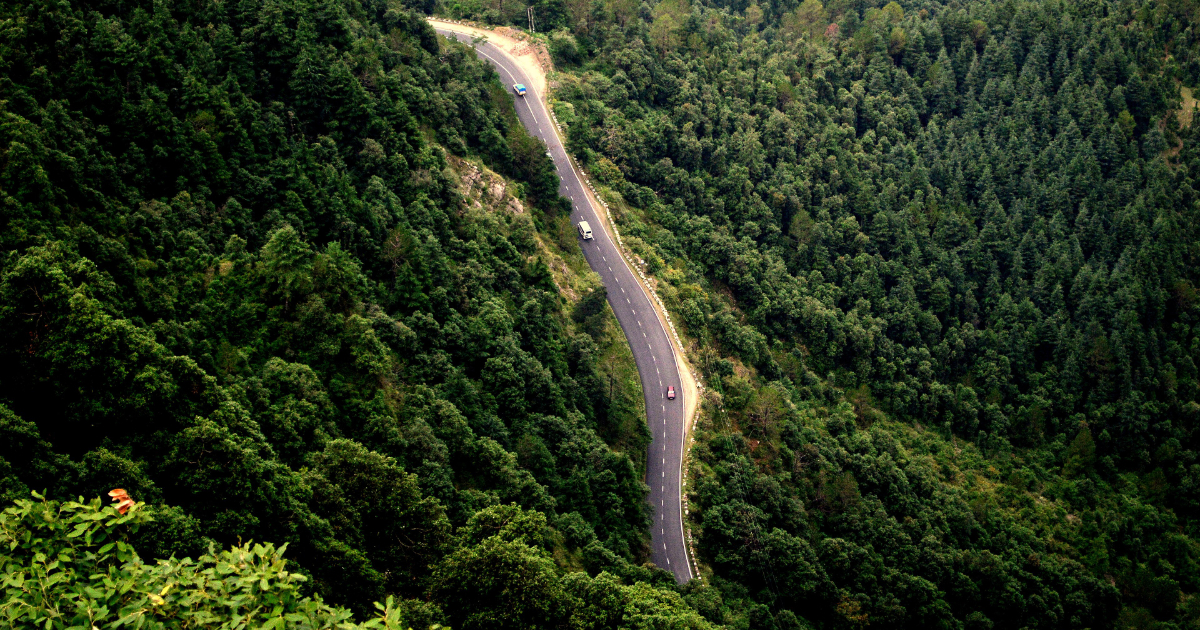
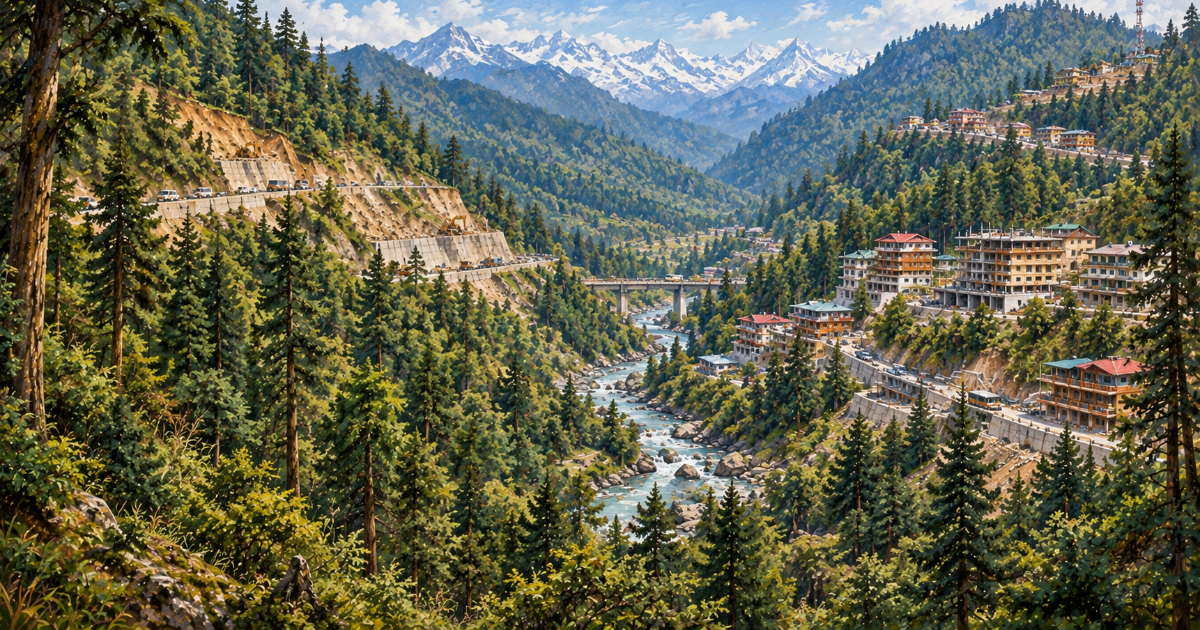
In fragile Himalayan landscapes, cutting roads through forests and unstable slopes can create lasting ecological pressure. Development planning must therefore look beyond the number and length of roads constructed. It must consider whether essential services can be delivered through methods that are safer, more efficient, and better suited to the mountain environment.
A village should not have to lose its forest cover, natural water sources, or ecological stability in order to receive basic public services.
What Mountain Communities Actually Need
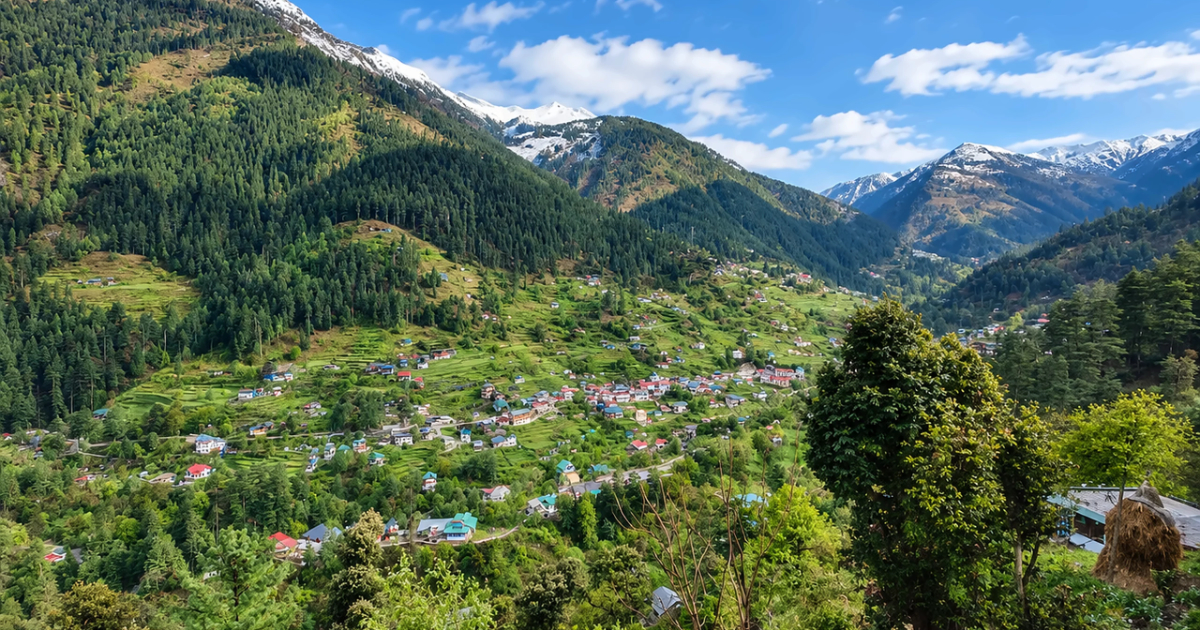
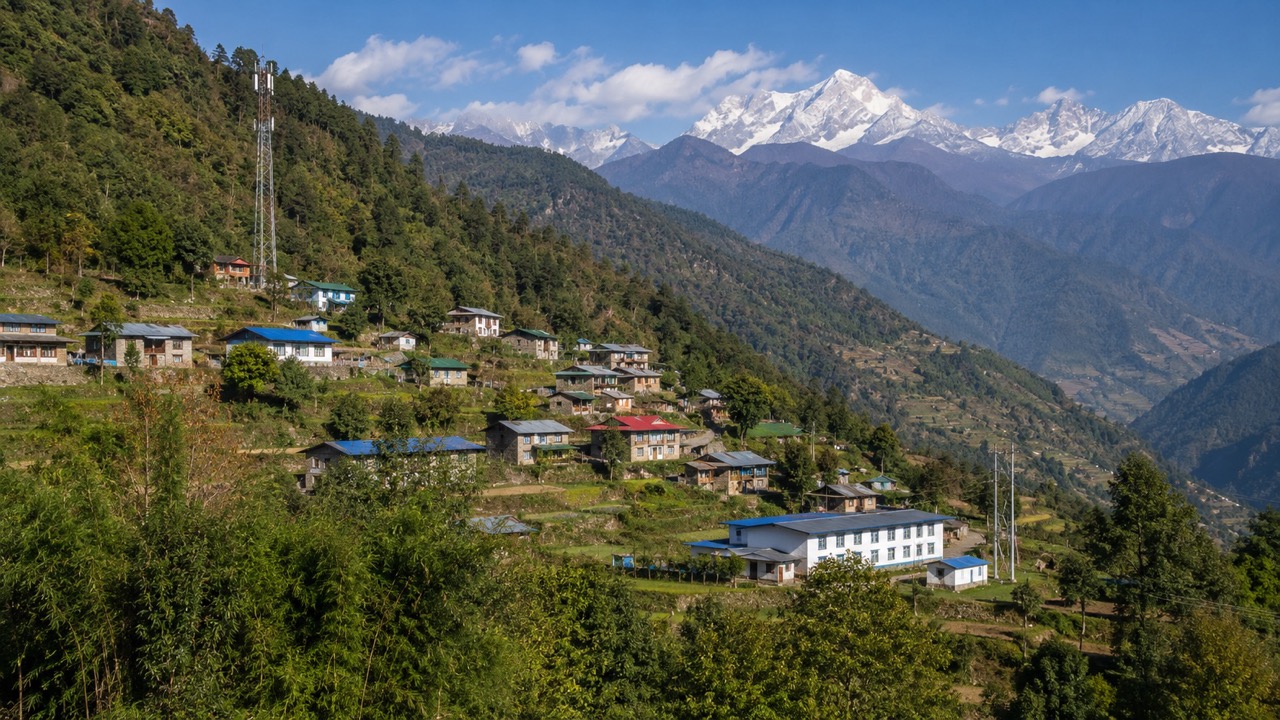
The purpose of development should be to improve people’s lives. For Himalayan villages, this includes reliable electricity, quality healthcare, good education, digital connectivity, market access, emergency support, and dignified livelihood opportunities.
These services do not always require large roads reaching every settlement.
Digital infrastructure can improve access to education, government services, banking, communication, and remote professional opportunities. Local healthcare facilities, telemedicine, mobile medical services, and stronger emergency response systems can reduce the need for frequent long distance travel.
Decentralised energy systems can provide reliable electricity while reducing pressure on sensitive landscapes. Better local storage, processing, and market support can also help mountain communities receive fair value for their produce without depending entirely on continuous road expansion.
The objective should be to bring essential services closer to people rather than forcing people and nature to carry the ecological cost of poorly planned infrastructure.
Sustainable Alternatives Deserve Public Investment
Governments invest significant public resources in surveying, excavating, constructing, widening, and maintaining roads. Sustainable alternatives deserve the same level of seriousness and financial commitment.
Where conventional road construction presents a high ecological risk, planners should examine other appropriate options. These may include carefully designed walking paths, improved public transport, ropeway systems where environmentally suitable, emergency mobility services, digital access, local service centres, and decentralised infrastructure.
Such alternatives should not be viewed as a denial of development. They should be recognised as intelligent forms of development designed for mountain conditions.
The Himalayas require solutions that respect steep terrain, fragile geology, forest systems, wildlife movement, water sources, and the limited capacity of mountain landscapes to absorb repeated disturbance.
Conservation Directly Supports Human Wellbeing
Forests, wildlife habitats, rivers, springs, and stable mountain slopes are not separate from the lives of Himalayan communities. They support water availability, agriculture, local livelihoods, climate regulation, soil stability, and the wider ecological balance of the region.
When forests are removed or slopes are repeatedly cut, the consequences are not limited to the loss of trees or natural scenery. The systems supporting settlements and local economies can also become weaker.
Protecting nature is therefore not an obstacle to human wellbeing. It is a necessary condition for its long term security.
Development that damages the ecological foundations of a community may create temporary convenience, but it cannot provide lasting progress.
Planning Must Reflect the Reality of the Himalayas
Development models created for plains and urban regions cannot be applied to the Himalayas without careful examination. Mountain environments have different physical limits, ecological relationships, and social needs.
Every proposed intervention should be assessed according to its location, necessity, environmental impact, and available alternatives. The question should not simply be whether a project can be constructed. The more important question is whether it should be constructed in that form and at that location.
Responsible planning must also examine the cumulative impact of multiple projects. A single intervention may appear limited, but repeated cutting, construction, traffic, tree removal, and commercial expansion can gradually transform an entire landscape.
Development Through Conservation
The debate surrounding the Himalayas is often framed as development versus conservation. This framing is incomplete.
Conservation does not mean denying communities healthcare, education, mobility, electricity, or economic opportunities. It means delivering these benefits without destroying the natural systems that sustain life in the mountains.
The real choice is between short term construction led development and long term development that respects ecological limits.
The future of the Himalayas must be built through conservation. Public investment, technology, local knowledge, and responsible planning can work together to improve human wellbeing while protecting forests, wildlife, water sources, sacred landscapes, and mountain communities.
We believe that the Himalayas deserve development that is thoughtful, location sensitive, and ecologically responsible. Progress should strengthen both people and nature, because in the mountains, the future of one cannot be separated from the future of the other.
Related Articles
More stories and updates worth exploring from our journey.