The View Without the Wilderness: How Luxury Tourism Is Rebuilding the City in the Mountains

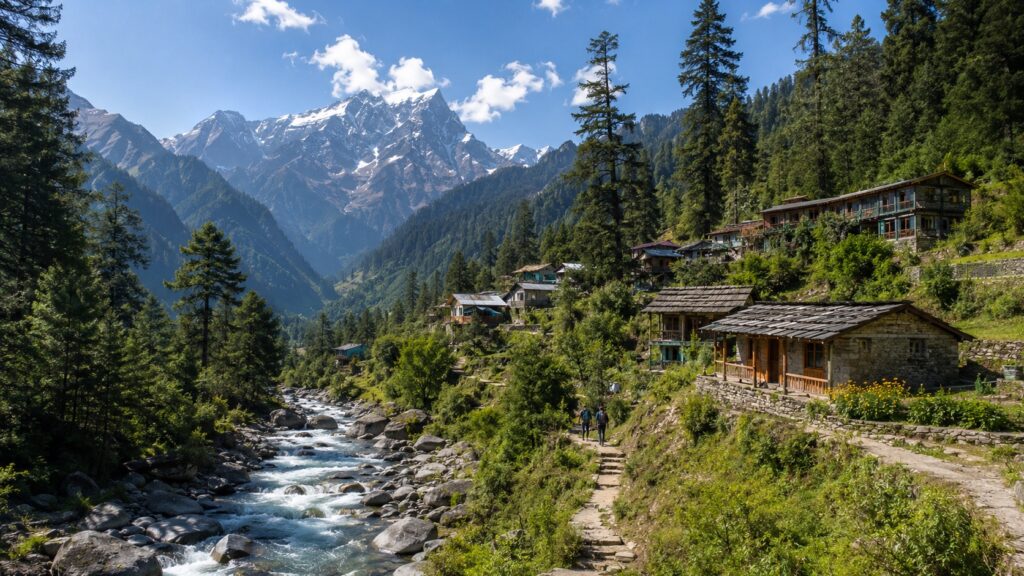
The Himalayas are increasingly becoming destinations where visitors seek nature, silence, forests, clean air, and mountain views.
Yet the growing model of luxury tourism often recreates the same urban comforts that people leave behind in the cities. This raises an important question for fragile mountain regions: are we preserving the mountains, or are we slowly turning them into city extensions?
The City Arrives in the Mountains
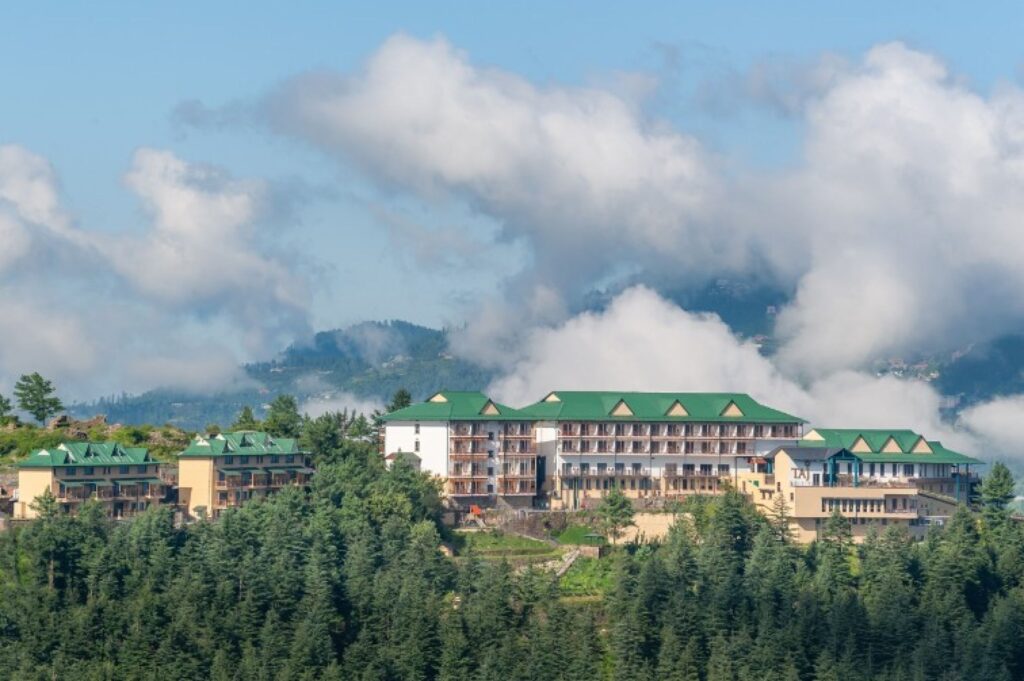
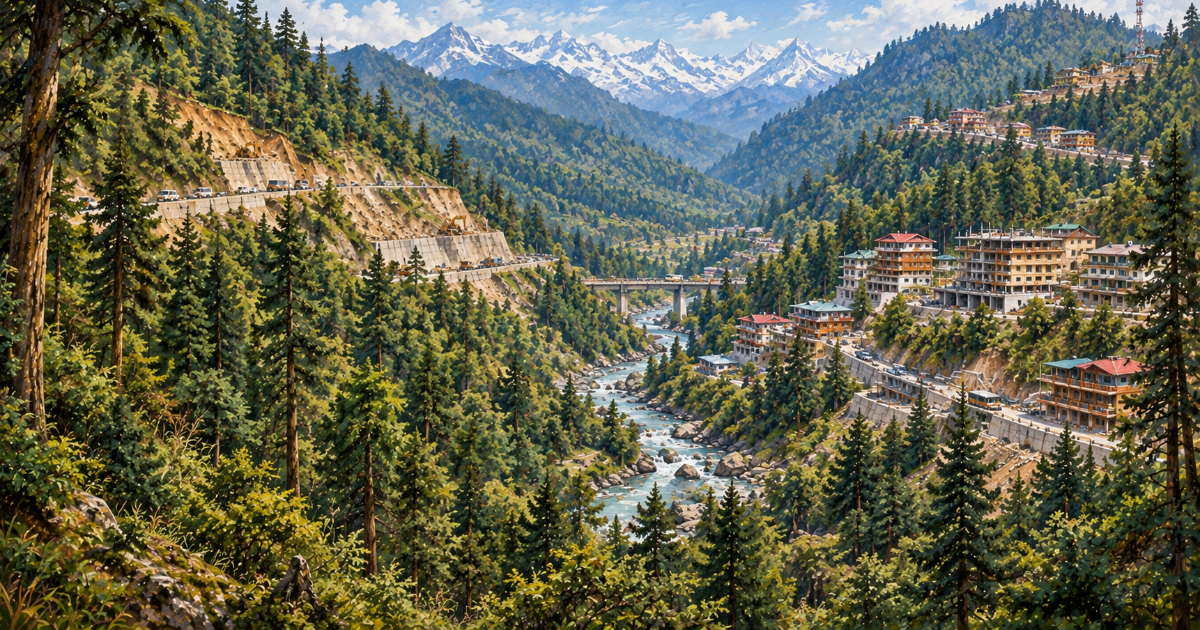
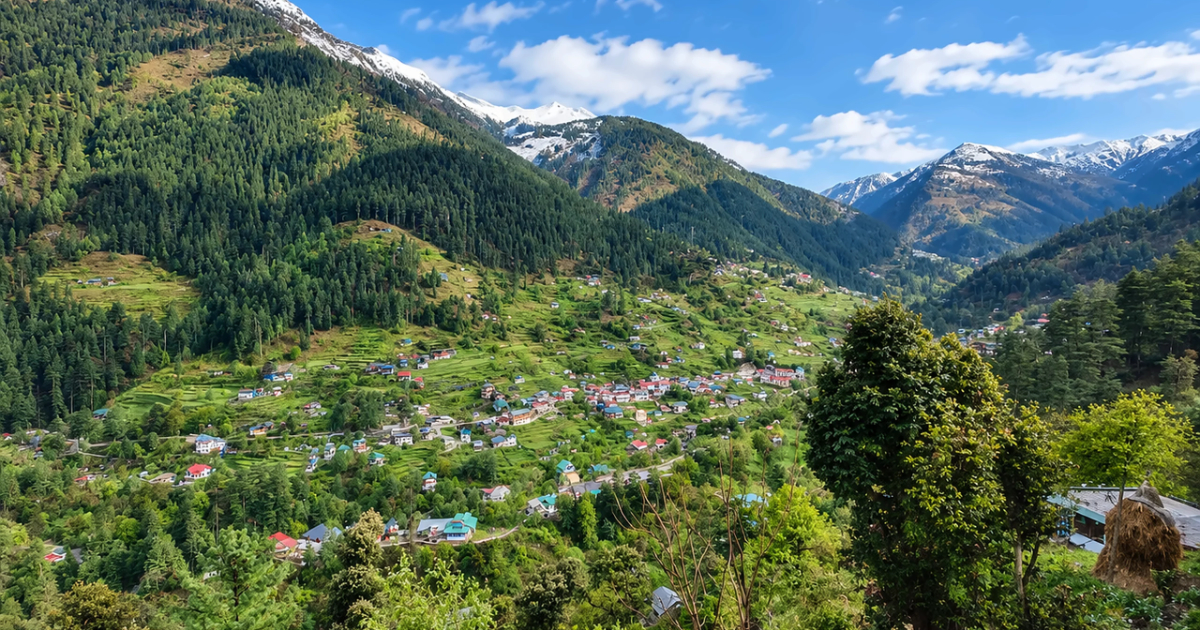
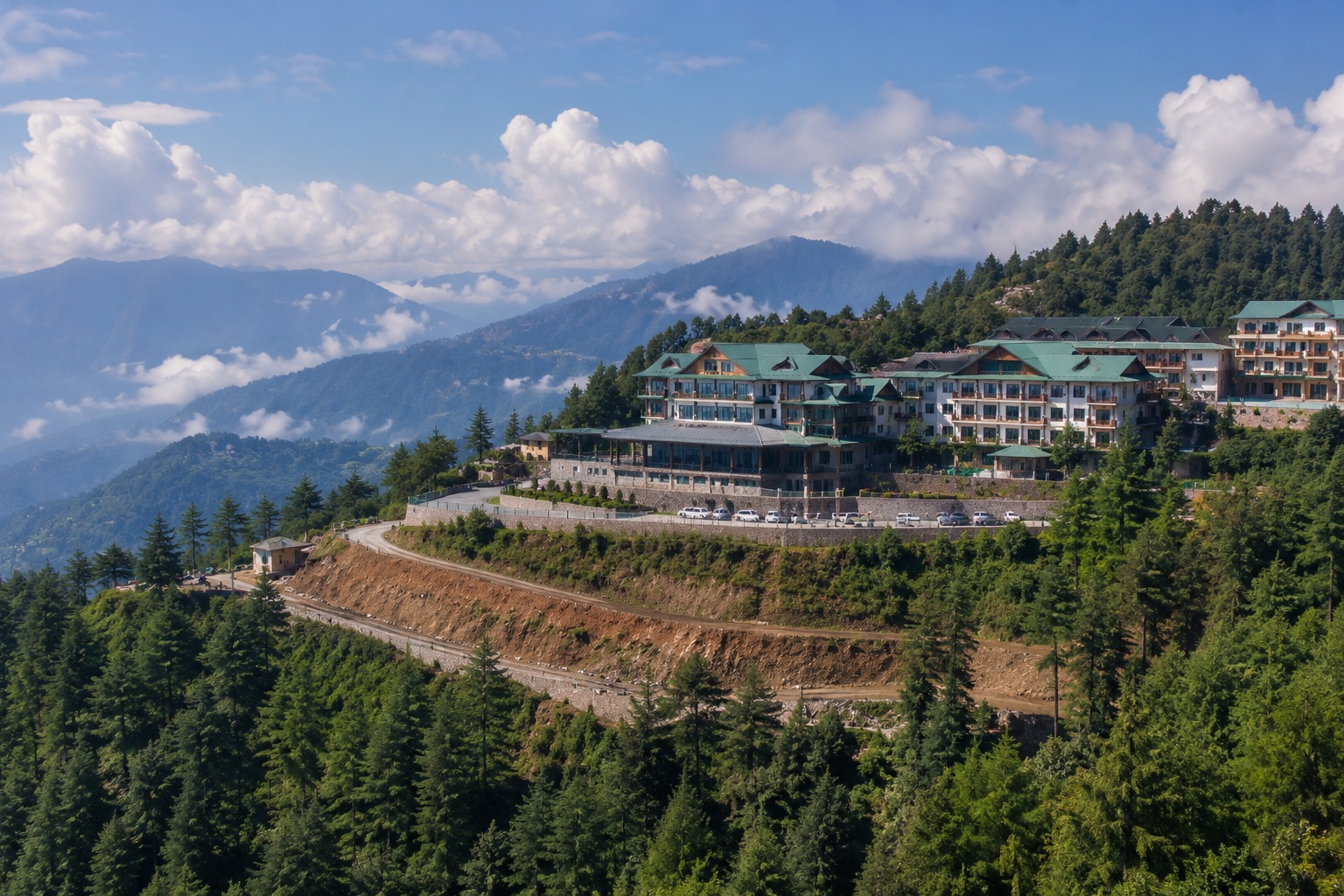
The Himalayas are witnessing a rapid rise in luxury tourism. Five star hotels, premium resorts, holiday villas, and gated retreats are appearing across landscapes that were once shaped by forests, meadows, rivers, traditional villages, and natural silence.
This growth is often presented as development, prosperity, and progress. But behind this idea of progress lies a deeper concern. The mountains are not empty spaces waiting to be transformed. They are living ecosystems with limits.
Visitors come to the mountains for cool weather, clean air, snow covered peaks, forests, and peaceful landscapes. Yet many also bring the consumption patterns and expectations of metropolitan life with them.
The result is a troubling paradox. People leave congested cities only to recreate urban comfort in fragile mountain ecosystems.
Luxury Comforts and Ecological Costs
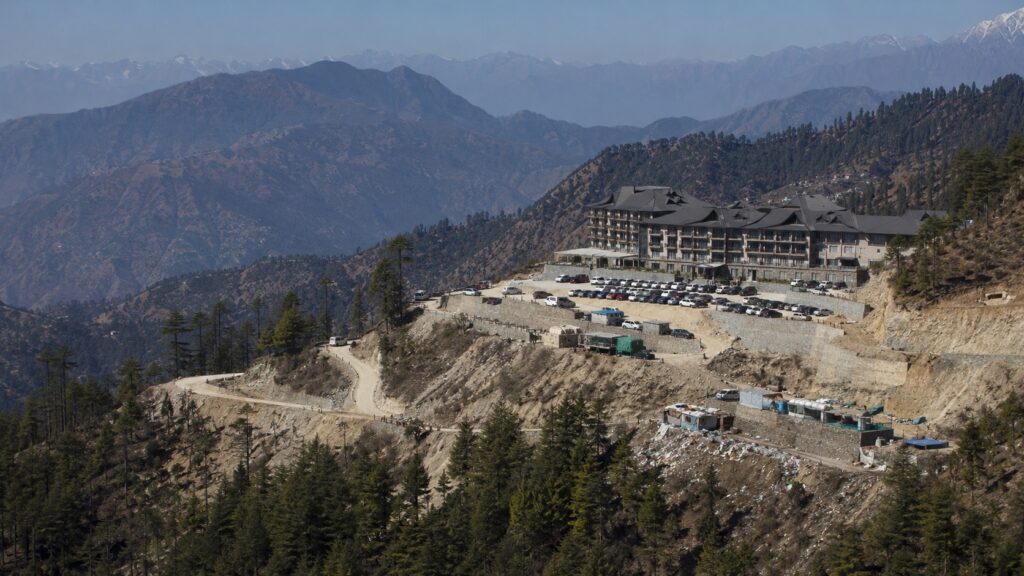
Luxury tourism requires large quantities of water, electricity, construction material, road access, parking space, and waste disposal systems. To support this infrastructure, hills are cut, forests are fragmented, slopes are disturbed, and landscapes are increasingly illuminated.
These changes serve a relatively small number of visitors, but their environmental costs are carried by the mountains.
Forests lose continuity. Slopes become more vulnerable. Water demand increases. Roads expand. Waste management becomes more difficult. The quiet character of mountain life begins to change.
The question is not whether visitors should come to the mountains. The question is whether tourism should grow in a way that damages the very nature people come to experience.
Nature as a View, Not a Living Reality
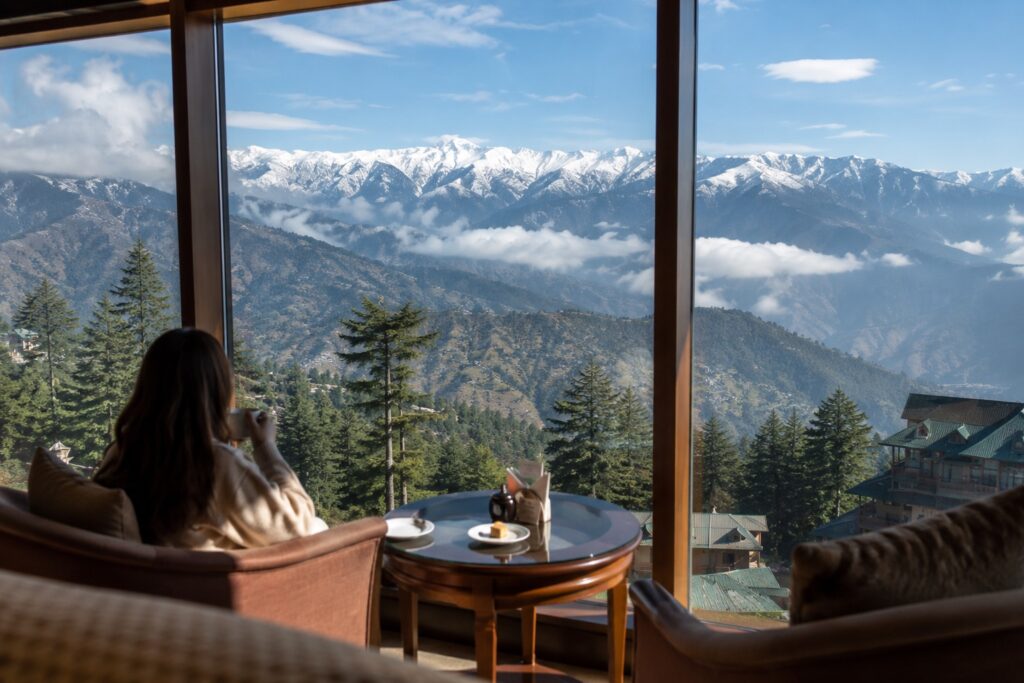
There is another irony in modern luxury mountain tourism.
For many affluent visitors, the mountain experience begins and ends inside the comfort of a resort. Snow covered peaks are admired through large glass windows. Forests are photographed from balconies. The mountain climate is enjoyed from heated rooms.
But very few step into the wilderness itself.
Walking through forests requires effort. Climbing mountain trails demands endurance. Exploring nature means accepting rain, cold winds, mud, steep slopes, uncertainty, and discomfort. It requires leaving behind the protective comfort of urban convenience and entering the discipline of nature.
The wilderness offers no room service.
A forest trail has no climate control.
A mountain ridge provides no luxury amenities.
Yet these are the very experiences that create a real connection with the mountains.
The Loss of Genuine Mountain Experience
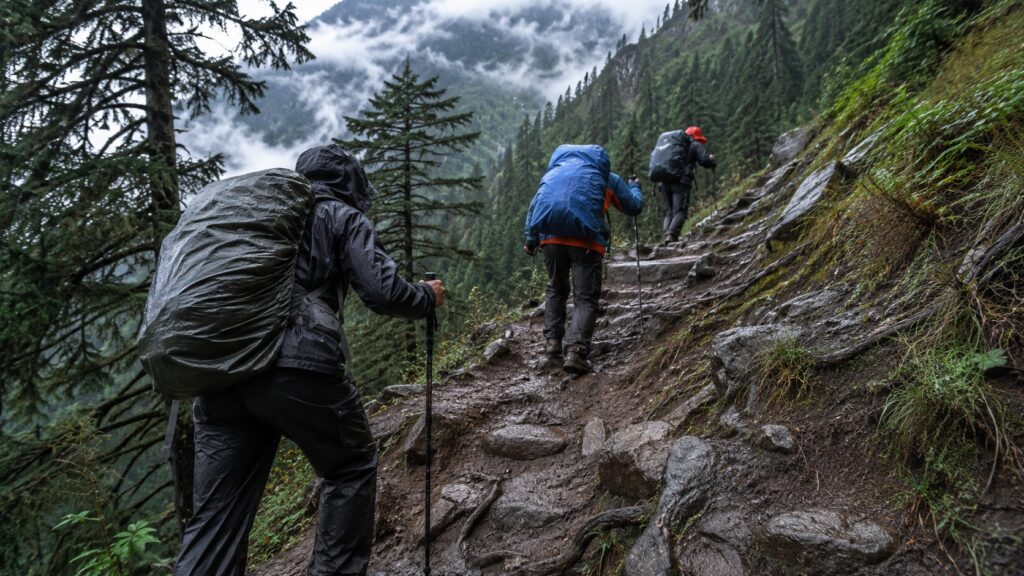
Increasingly, nature is being consumed as a view rather than experienced as a living reality. The mountains become a scenic background instead of an ecosystem. Visitors admire forests without entering them. They celebrate nature while remaining separated from it.
This passive consumption of nature comes at a serious ecological cost.
Forests are cleared, roads are widened, water is diverted, and slopes are excavated so that visitors can enjoy a carefully curated version of the mountains without engaging with their raw beauty, difficulty, and complexity.
The mountains are not meant to be reduced to a luxury product.
The Himalayas Are Not a Luxury Product
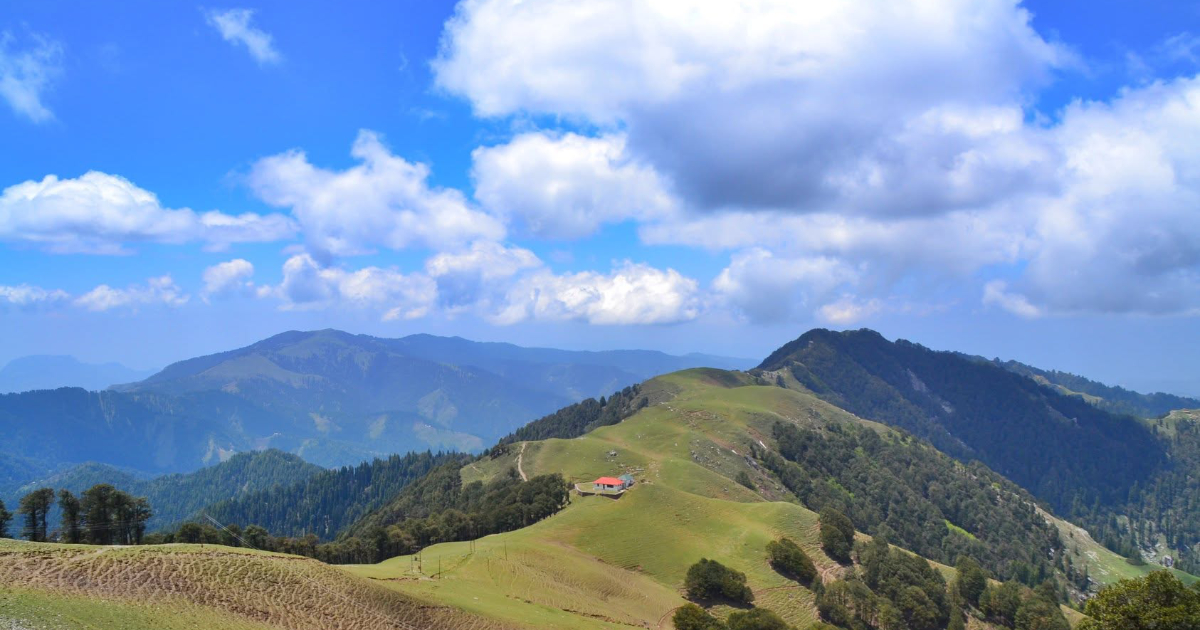
The Himalayas are among the most fragile ecological systems on Earth. They are water towers for millions, habitats for wildlife, carbon sinks, and cultural landscapes shaped by generations of mountain communities.
A mountain is not a metropolis.
Its carrying capacity is limited. Its forests cannot be endlessly fragmented. Its rivers cannot endlessly supply luxury infrastructure. Its silence cannot survive unlimited traffic, lighting, and construction.
If tourism continues to grow without ecological restraint, the mountains may lose the very qualities that make them worth visiting.
Tourism Must Be Measured by Nature Preserved
The future of mountain tourism must not be measured only by the number of luxury rooms created. It must be measured by the amount of nature preserved.
Responsible tourism should respect forests, water sources, slopes, wildlife, village life, and the natural limits of the Himalayas. Development in the mountains must remain sensitive to the land, not force the land to adjust to urban habits.
The Himalayas were never meant to be viewed only through glass walls. They are meant to be walked, climbed, listened to, respected, and understood.
For a mountain does not reveal itself from a hotel balcony.
It reveals itself only to those willing to leave comfort behind and step into the forest.
Related Articles
More stories and updates worth exploring from our journey.