What Changed: The Landscape, Or Our Understanding Of Spirituality?

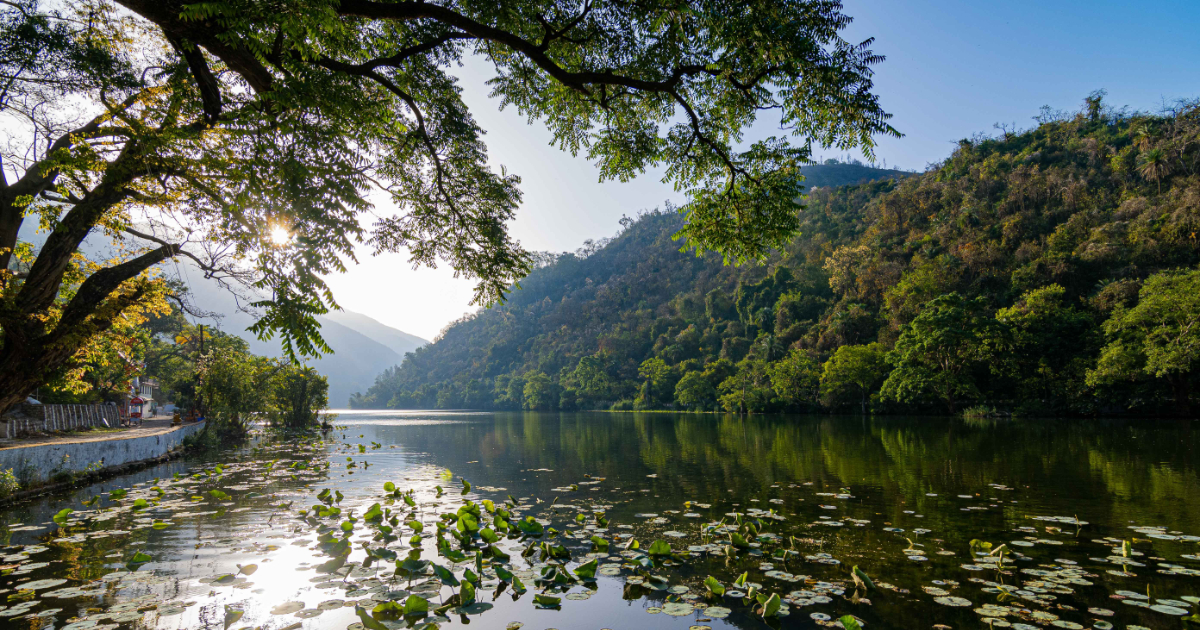
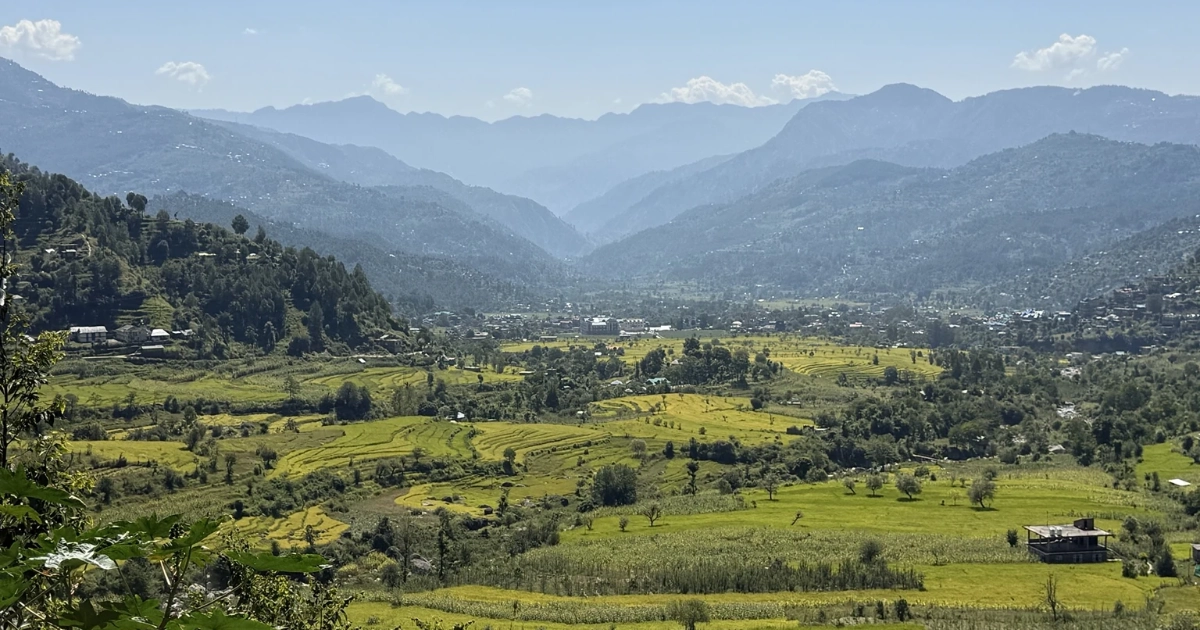
A question stands before us quietly: did the mountain change first, or did our understanding of devotion change before it? When forests that once held silence, life, and reverence are removed to make space for monuments of faith, we must ask what we are truly honouring.
When Nature Was Worshipped, Not Removed
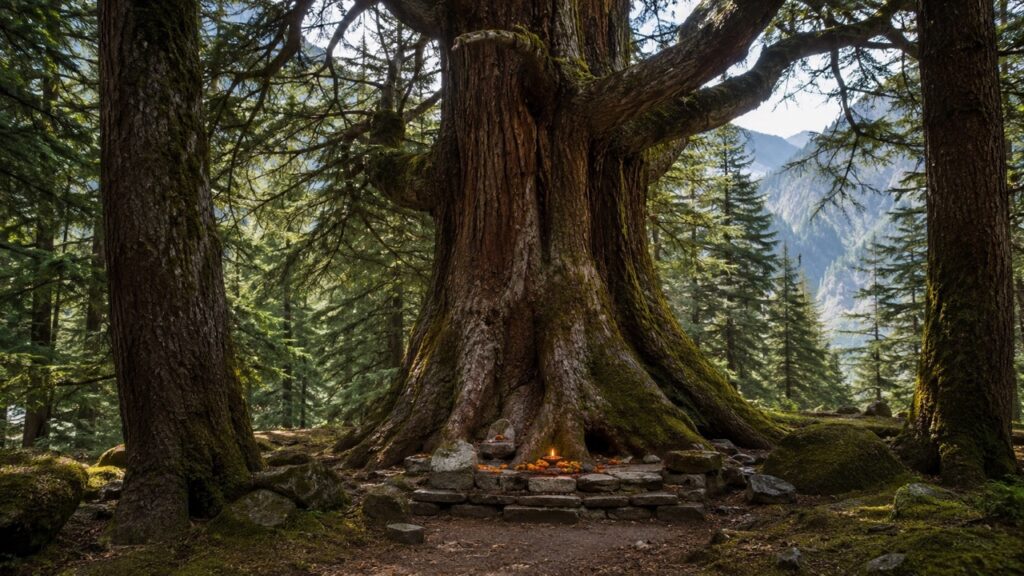
Our ancestors worshipped nature because they saw the Divine within it.
Forests were not empty land. Mountains were not lifeless stone. Rivers were not only water channels. They were living spaces of balance, discipline, patience, and sacred presence.
To stand before a forest was also to stand before mystery. To walk through mountains was also to understand humility. Spirituality was not separated from the natural world. It was found within it.
Today, the question is not whether we still believe in God. The question is whether we still recognise the living creation through which that belief was once expressed.
Building Monuments After Removing Forests
We build monuments to God, but sometimes only after clearing the very forests that once carried a sacred presence.
This creates a deep contradiction.
If nature was once treated as a form of worship, then removing forests in the name of worship demands serious reflection. A monument may express devotion, but a forest also expresses devotion. A tree that gives shade, a mountain that holds life, and a landscape that shelters countless beings are not separate from spiritual life.
They are part of it.
The concern is not against faith. The concern is about forgetting the ecological foundation of faith.
Which Generation Was Closer To The Divine?
Our ancestors may not have built the largest structures, but they understood reverence in a deeper way.
They bowed before rivers. They protected sacred groves. They treated mountains as living presences. Their spirituality was not only seen in rituals, but also in restraint.
That restraint is important.
A generation that protects nature while worshipping the Divine may be closer to spiritual truth than a generation that destroys nature while claiming to honour the Divine.
This question should not divide us. It should awaken us.
What श्री हनुमान जी Teaches Us
भगवान श्री हनुमान जी did not seek worship. He sought to serve.
He protected life. He moved through forests. He lived among mountains. He respected strength, humility, courage, and selfless action.
His greatness was not in demanding honour, but in offering service.

The image of श्री हनुमान जी carrying an entire mountain to save a life is one of the most powerful reminders of ecological and spiritual responsibility. The mountain was not treated as a dead object. It was a source of healing, life, and hope.
If we truly wish to honour श्री हनुमान जी, should we not first honour the forests and mountains that reflect his spirit?
Devotion Must Include Protection
A monument can inspire faith, but protection gives faith meaning.
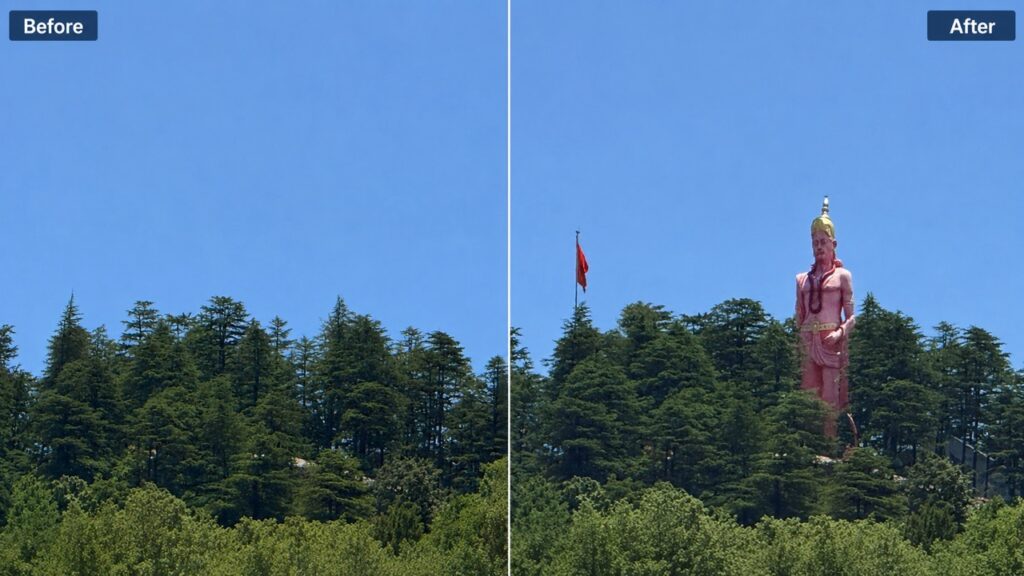
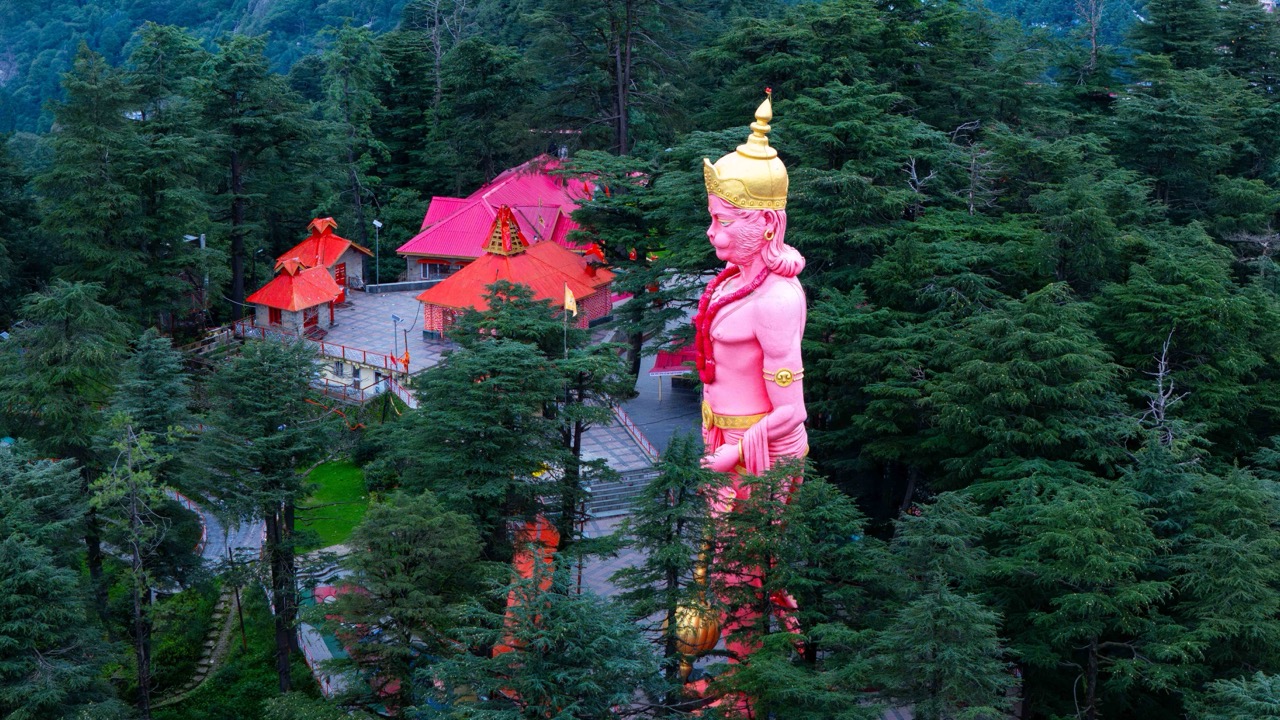
If we build a monument to श्री हनुमान जी, we must also ask whether we preserved the forest that shaped his spirit. Did we protect the trees? Did we respect the mountain? Did we think about the life already present in that landscape?
True devotion should not end at construction. It should continue as care.
It should appear in the way we treat forests, animals, rivers, soil, and mountain slopes. It should guide us to protect what is living, not only decorate what is built.
Returning Spirituality To Nature
The need today is not to choose between worship and nature. The need is to bring them together again.
Faith becomes deeper when it protects life. Worship becomes more meaningful when it teaches responsibility. Spirituality becomes more honest when it respects the natural world as part of the Divine creation.
We must ask ourselves with humility: what has changed?
The landscape, or our understanding of spirituality?
Perhaps the answer lies in how we act now.
If we truly honour Hanuman Ji, we must honour service. If we honour service, we must protect life. And if we protect life, we must begin with the forests, mountains, and living landscapes that continue to remind us what devotion really means.
Related Articles
More stories and updates worth exploring from our journey.