What New Zealand Taught Me About Living With Nature

An ecological journey from the Tasman Sea to the volcanic mountains, and a few questions for the Himalaya
I returned to India recently after spending several weeks travelling through New Zealand. I went as a traveller, but somewhere along the way the journey became something else: an extended ecological observation.
I began to look less at individual destinations and more at the relationship between people and landscape. From Wellington’s urban forests and waterfront to native reserves, agricultural hills, plantation forests, rivers and the snow covered volcanic mountains, the landscapes were very different from the Himalaya. Yet they raised remarkably familiar questions.
How much can we take from nature? How much access should we provide? Where should development stop? And how do we teach people that a landscape has value even when there is no immediate economic return?
A Forest Is More Than Trees
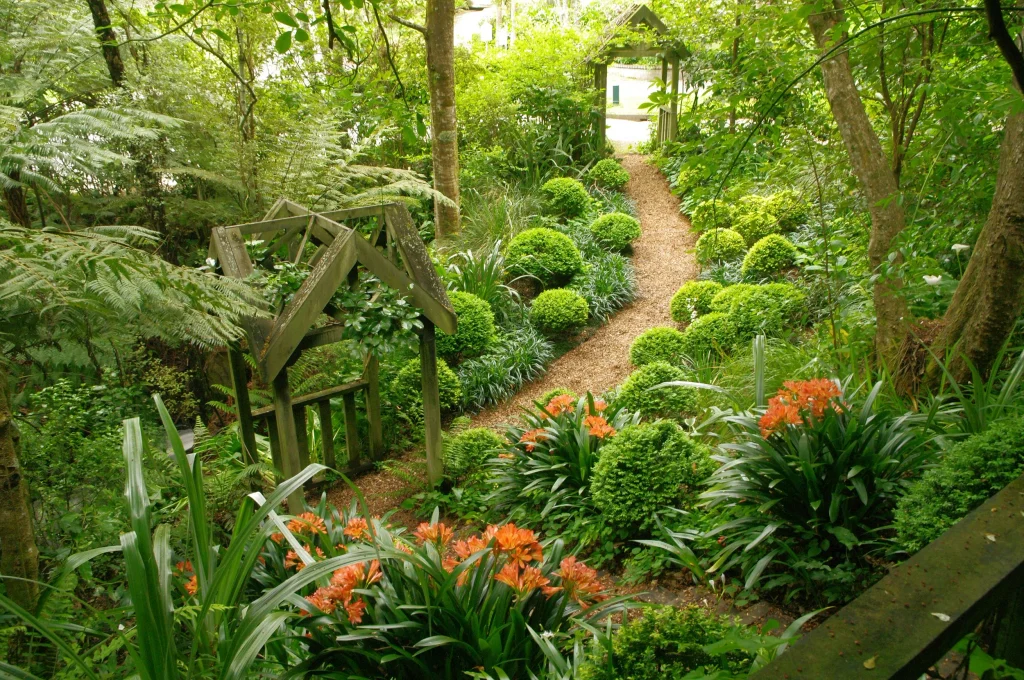
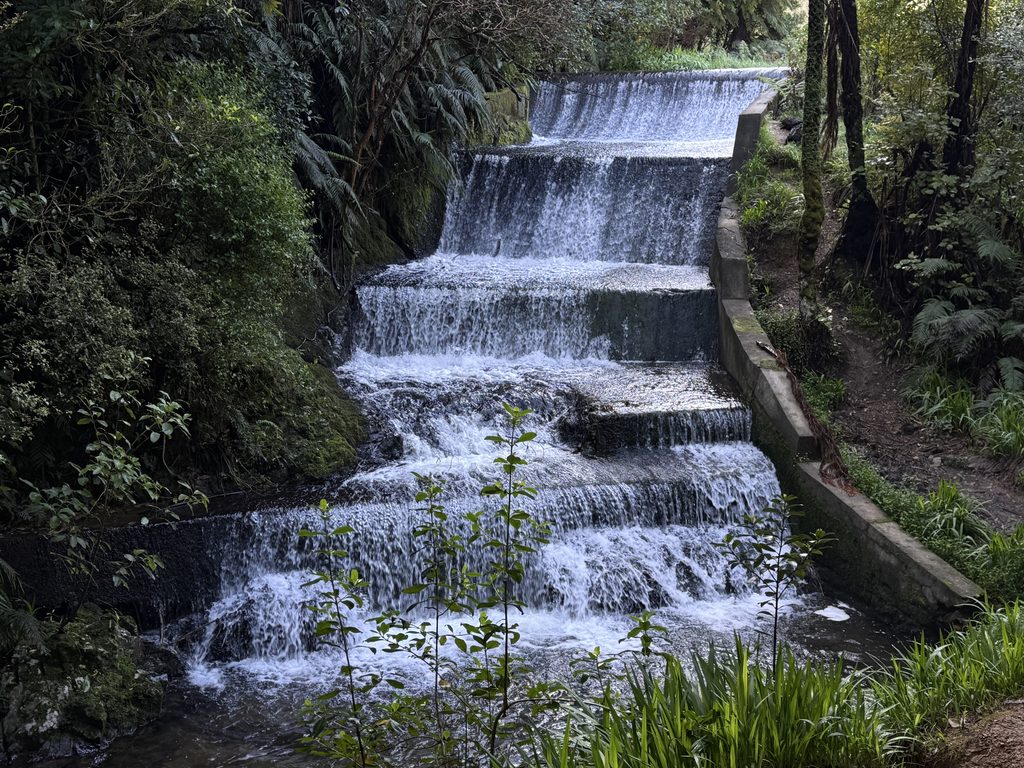
One of the most revealing visits was to Ōtari Wilton’s Bush in Wellington.
Here, a native forest is not presented simply as a collection of trees. The visitor is encouraged to understand the forest as an interconnected system of canopy, smaller trees, shrubs, climbers, epiphytes, mosses, fungi, birds, insects, soil and water.
The forest becomes a classroom.
That experience stayed with me because environmental discussion in India often becomes numerical. We speak about hectares of forest, the number of trees planted, compensatory afforestation and similar measurements.
These measurements are important, but a mature forest is not simply an accumulation of tree trunks.
It is an ecological relationship that may have taken centuries to develop. A plantation of young trees may eventually become valuable, but it cannot automatically replace an old natural forest.
That distinction deserves much greater attention in the Himalaya.
The Mountain Begins Before the Snow
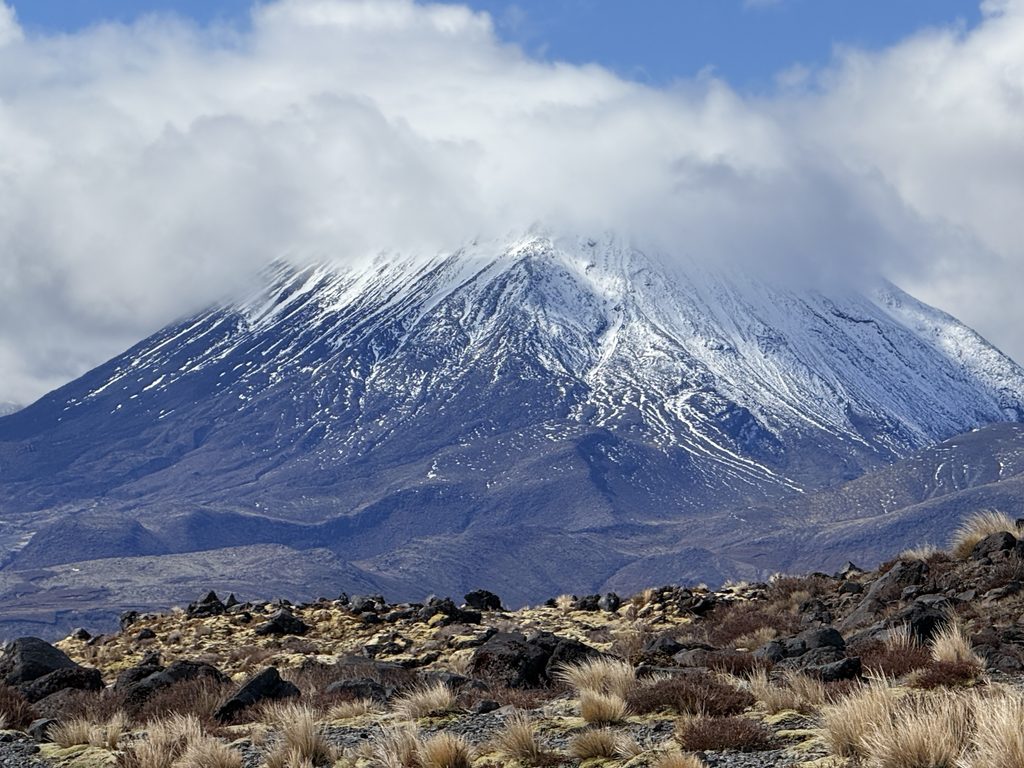
At Ōtari I also encountered carefully designed interpretation of alpine vegetation.
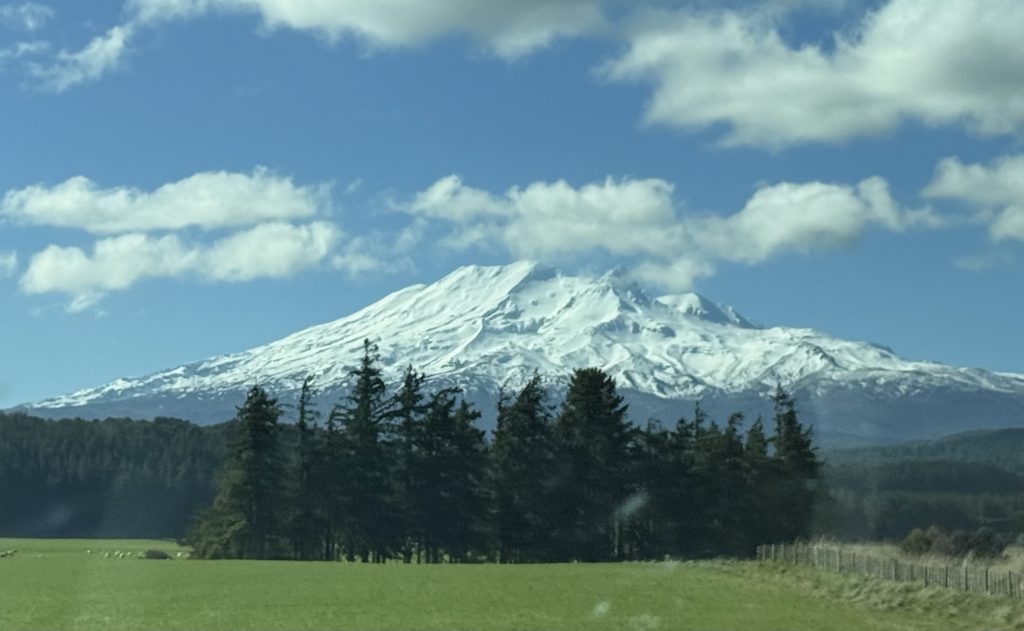
Later, when I reached the volcanic plateau around Ruapehu, Tongariro and Ngāuruhoe, I saw that ecological transition with my own eyes.
The trees gradually disappeared. They gave way to shrubs, tussocks and low alpine plants. Then came exposed volcanic rock, snow and a landscape that might appear barren at first sight.
But it was not barren. It was another ecosystem.
This led me to a simple observation with particular relevance to the Himalaya:
A landscape without trees is not necessarily a landscape without ecological value.
Our high altitude meadows, alpine scrub, lichens, mosses, herbs and soils deserve protection even when they do not look like a conventional forest. This becomes especially important when we discuss roads and infrastructure to high altitude pilgrimage destinations.
Whakapapa: Development Has a Footprint
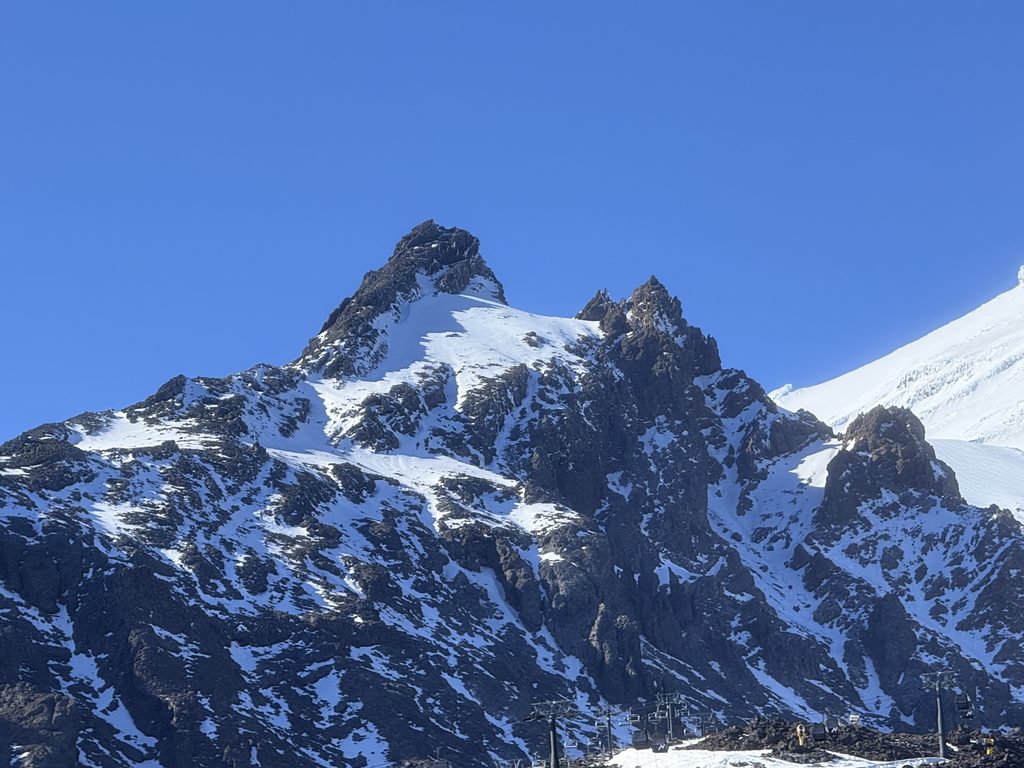
At Whakapapa on Mount Ruapehu I encountered another side of the New Zealand story.
There is major ski infrastructure within this protected volcanic landscape, including roads, parking, buildings, lifts and the Sky Waka gondola.
It would therefore be wrong to portray New Zealand as a country where development simply does not occur in sensitive landscapes. It does.
What interested me was the contrast between concentrated infrastructure and the enormous landscape surrounding it.
This raises a question that is highly relevant to the Himalaya:
Does every visitor destination require infrastructure everywhere, or can development be concentrated within a defined footprint while the larger landscape remains protected?
This is not an argument against tourism. It is an argument for spatial discipline.
The River Taught Another Lesson
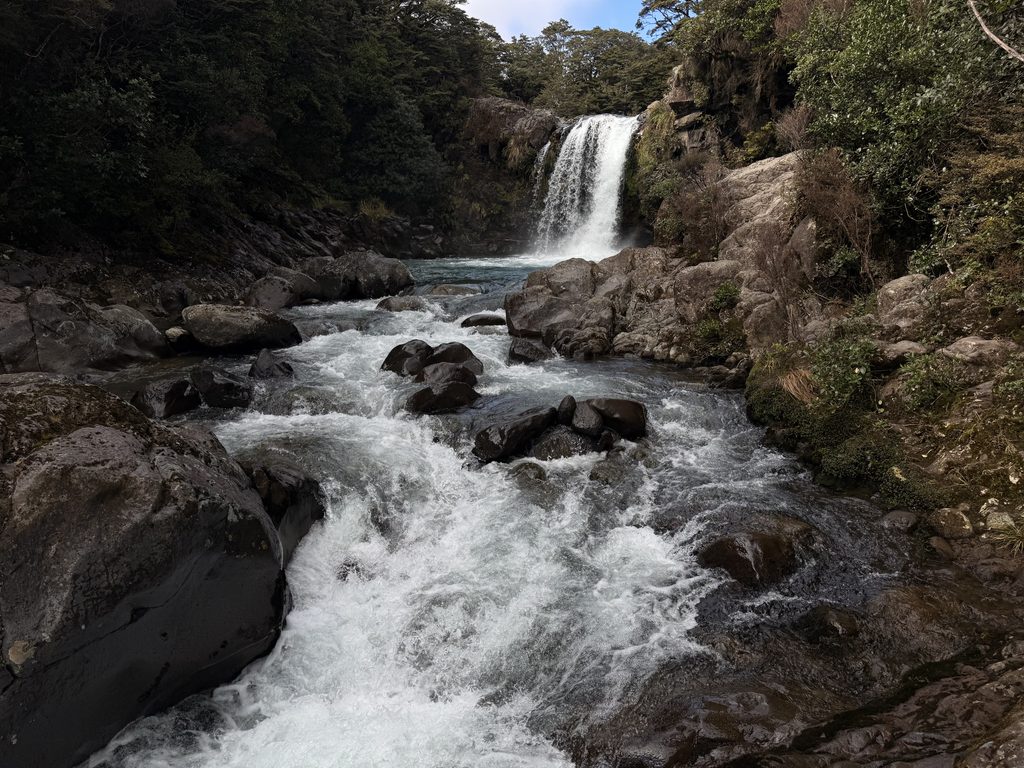
During the journey I travelled through the Upper Rangitīkei country.
An interpretation board described work undertaken by farmers and the regional council, including retiring steep land, planting poplars for erosion control, fencing waterways and wetlands, and monitoring the river catchment.
Here, the river was not treated as an isolated blue line on a map.
The catchment was the unit of concern. This has profound relevance to Himachal Pradesh.
A Himalayan river does not begin at the riverbank. It begins high on the slopes.
What happens to forests, roads, farms, drainage channels and soils upstream eventually becomes a water quality and sediment problem downstream.
The lesson is straightforward:
We cannot protect Himalayan rivers without protecting their catchments.
Roads Are Ecological Interventions
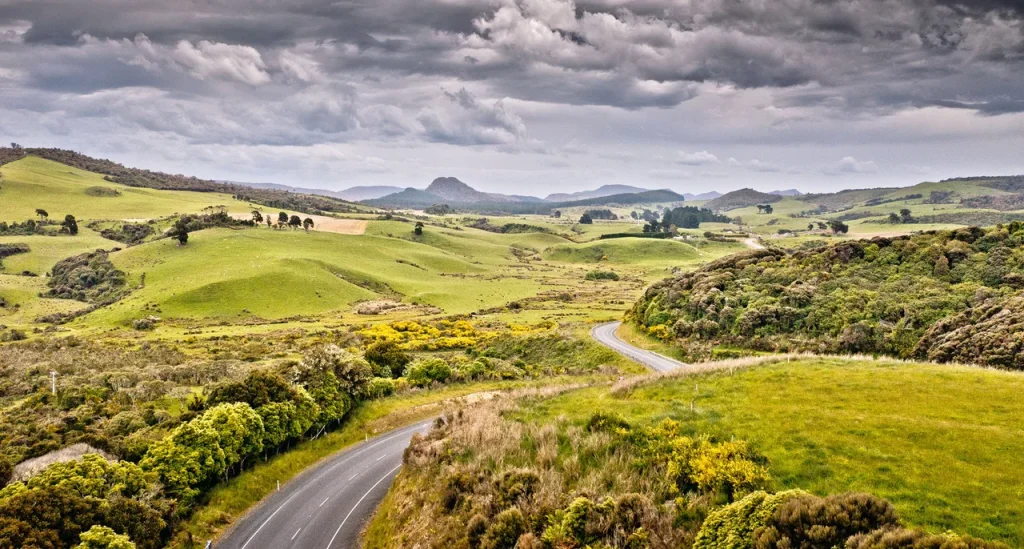
During the long drives through New Zealand I also saw extensive road networks, commercial forestry, clear felled plantation areas and animals killed on roads.
These observations prevented the journey from becoming an idealised account of New Zealand conservation.
New Zealand has its own environmental contradictions.
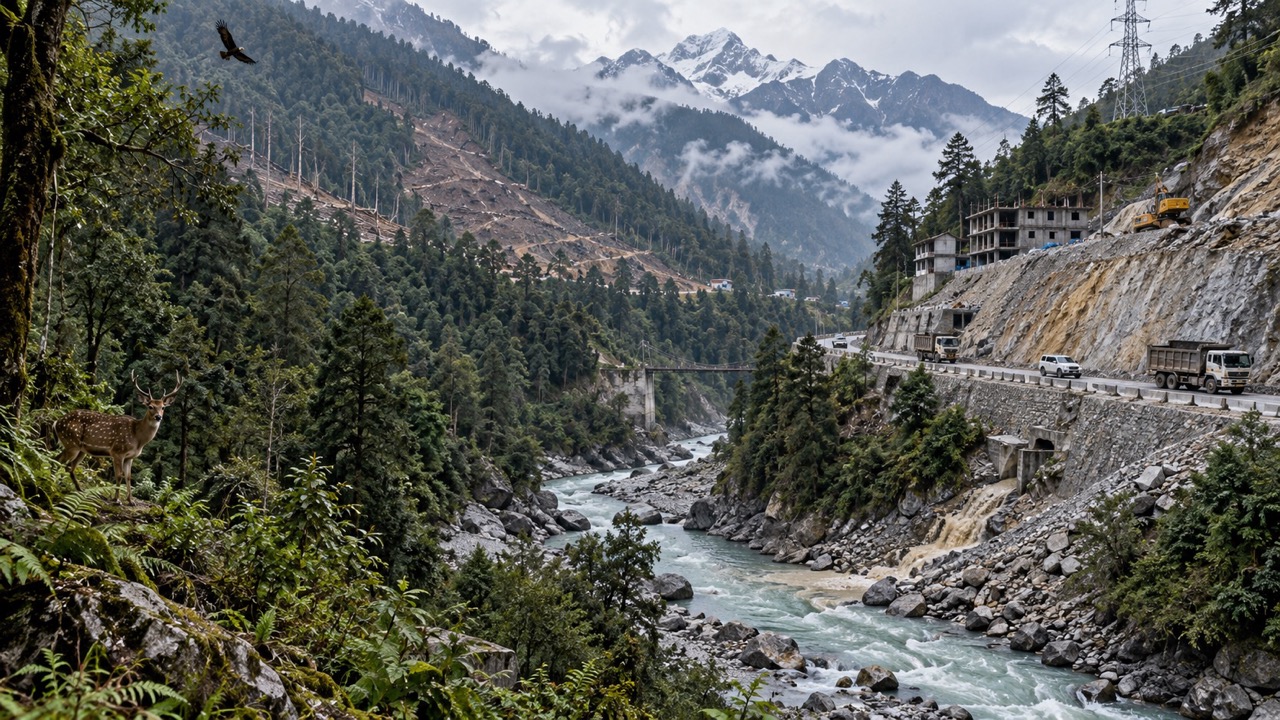
Commercial forestry can transform hillsides. Roads fragment habitat. Wildlife is killed by traffic. Tourism creates pressure. The important point is that these impacts are visible and therefore become subjects of management and public discussion.
For the Himalaya, I believe we need to ask a broader question whenever a new road is proposed:
What does the road do to the ecosystem after it is built?
Not merely:
How many kilometres of road have been constructed?
A road is also drainage, fragmentation, noise, access, erosion and human penetration into previously less disturbed terrain.
Learning From Indigenous Ecological Thinking
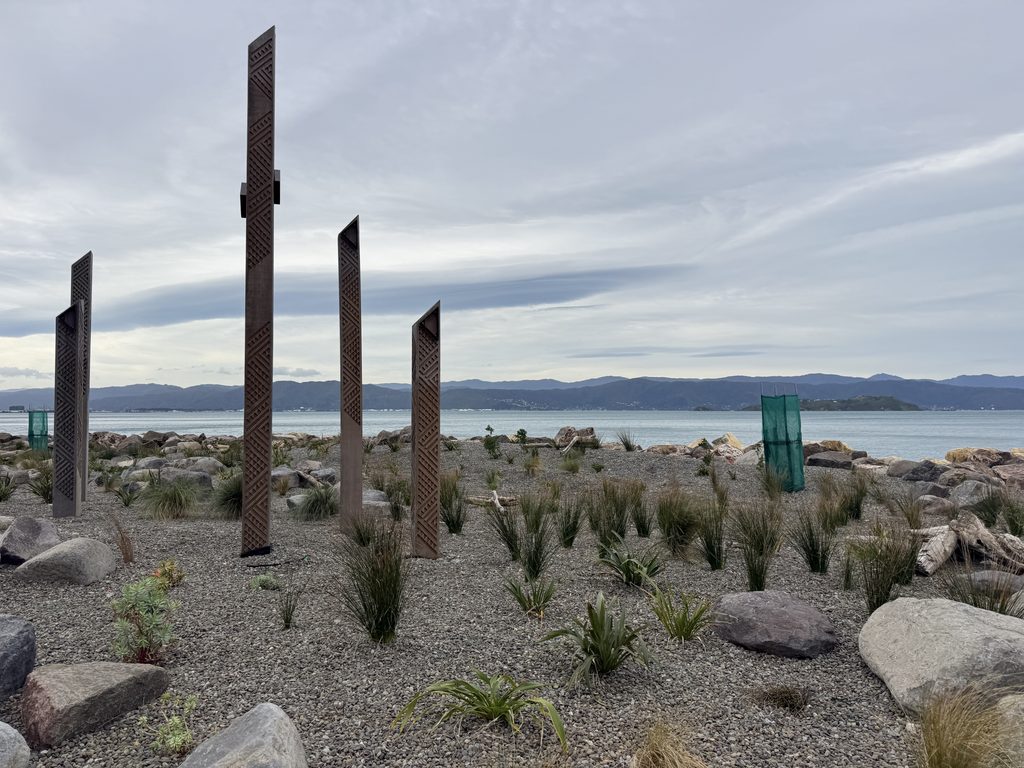
Another striking feature of New Zealand was the way Māori knowledge and cultural relationships with nature were incorporated into environmental interpretation.
At Ōtari, the visitor encounters the forest not simply as biological material but as part of a relationship among people, trees, animals, water and place.
The Himalaya has its own traditions of ecological relationship through sacred forests, dev vans, springs, rivers, mountains and community managed landscapes.
We need neither to romanticise traditional knowledge nor to dismiss it.
We should examine it carefully and ask:
What ecological wisdom is contained in these traditions, and how can it complement modern science?
Conservation Also Means Preparation
The earthquake exhibition at Napier’s MTG Hawke’s Bay provided another perspective.
The 1931 Hawke’s Bay earthquake was presented not simply as history but as a lesson in preparedness.
People were taught what happened, why preparedness matters, how to respond during an earthquake and how to evacuate after a major coastal event.
The lesson is equally applicable to the Himalaya.
Our environmental education should include not only biodiversity but also earthquakes, landslides, flash floods, cloudbursts, avalanches and forest fires.
A mountain community needs to understand both the beauty and the hazards of its environment.
The Journey Changed the Question
Before this journey, I might have asked:
What is New Zealand doing better?
After travelling through its forests, rivers, farms, roads and mountains, I think the more useful question is different:
What questions is New Zealand asking that we should also be asking in the Himalaya?
- How do we distinguish a natural forest from a plantation?
- How do we protect a catchment rather than merely a river?
- How do we allow people to experience mountains without allowing access to become uncontrolled construction?
- How do we manage invasive species before they become ecological crises?
- How do we restore ecosystems rather than merely plant trees?
- How do we make visitors understand why a fragile landscape needs protection?
And perhaps most importantly:
How do we make ecological limits visible to society?
From New Zealand Back to the Himalaya
I do not return from New Zealand with a blueprint for Himachal Pradesh.
The Himalaya is not New Zealand.
Our population pressures, villages, pilgrimage traditions, land ownership, poverty, development needs, geology and cultural history are different.
But the journey has provided a series of useful field observations.
It has strengthened my belief that Himalayan environmental policy must increasingly move from project by project thinking to landscape thinking.
- A road cannot be considered separately from its slope.
- A slope cannot be considered separately from its drainage.
- A stream cannot be considered separately from its catchment.
- A forest cannot be considered separately from its biodiversity.
- A pilgrimage cannot be considered separately from carrying capacity.
- And development cannot be considered separately from the ecological limits of the mountain.
A Personal Conclusion
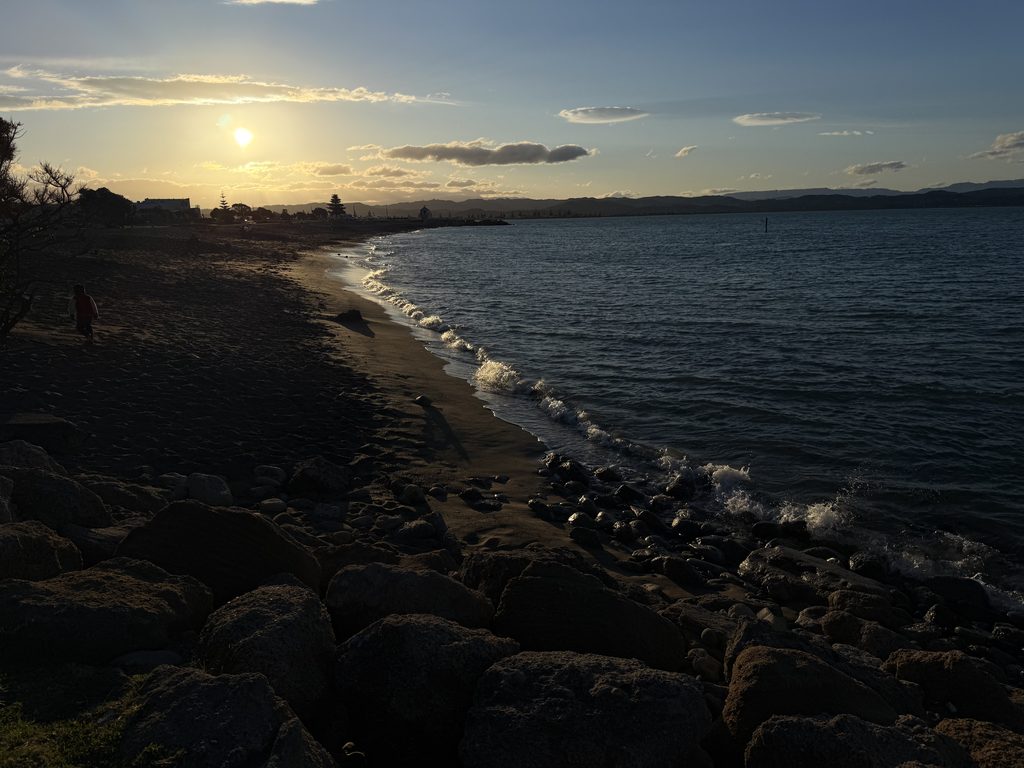
My journey ended beside the Whanganui River, flowing towards the Tasman Sea.
Looking back, water seems to connect much of what I observed.
- The mountain produces the water.
- The forest regulates it.
- The soil stores it.
- The farm uses it.
- The road crosses it.
- The settlement depends upon it.
- Eventually the river carries it to the sea.
- The Himalaya operates by the same ecological logic.
We may speak different languages, follow different cultures and inhabit very different landscapes, but the fundamental ecological relationships remain remarkably universal.
Perhaps the most important lesson I bring home is therefore a simple one:
Before we change a landscape, we should first learn to understand it.
That is where responsible development begins.
And that is where the future of the Himalaya must also begin.
Related Articles
More stories and updates worth exploring from our journey.