Roads to the Gods, Wounds to the Himalayas: Road Expansion to High-Altitude Shrines in Himachal Pradesh

Across Himachal Pradesh, the sacred journey to many high-altitude shrines is changing. Traditional footpaths that once shaped devotion, discipline, and ecological respect are increasingly being replaced by demands for motorable access. This article reflects on what may be lost when fragile ridges, forests, water sources, and sacred landscapes are opened to road expansion without adequate ecological restraint.
Sacred Paths Were Once Part of the Pilgrimage
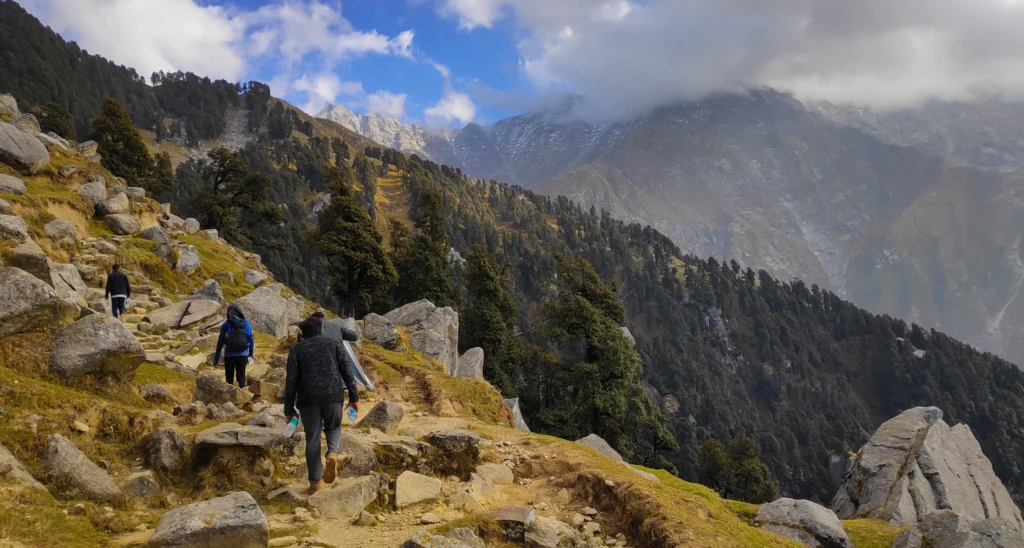
For centuries, many shrines in Himachal Pradesh were reached not by vehicles, but by walking. Devotees climbed through forests, crossed ridges, rested at traditional points, carried their own water, and arrived with humility after effort.
The journey itself was part of the spiritual practice.
To reach Churdhar, Shikari Devi, Shali Tibba, Karol Ka Tibba, Hatu Peak, Bijli Mahadev, Jalori, and similar sacred places was not only about arriving at a temple. It was about moving through nature with discipline and respect.
That relationship is now under pressure.
As road networks move closer to high-altitude shrines, forests are cut, slopes are disturbed, wildlife habitats are fragmented, and sacred summits risk becoming parking points, commercial clusters, and crowded viewpoints.
Convenience may make access easier, but it can also weaken the ecological and spiritual meaning of the journey.
The Emerging Pattern: From Footpath to Motor Road
Across different parts of Himachal Pradesh, a similar pattern is visible. A traditional footpath is first repaired, then widened, then converted into a motorable track, and later pushed closer to the shrine.
What begins as improved access can slowly become road expansion inside fragile mountain ecosystems.
These high-altitude shrine routes often pass through steep slopes, dense forests, water recharge zones, wildlife movement areas, and landslide-prone terrain. Once road cutting begins, the impact rarely remains limited to the road itself.
A summit road often brings vehicles, shops, waste, noise, soil compaction, water demand, and further construction pressure.
For a recent example of this issue, see our coverage of the Churdhar road expansion debate.
Churdhar: A Fragile Sanctuary Landscape
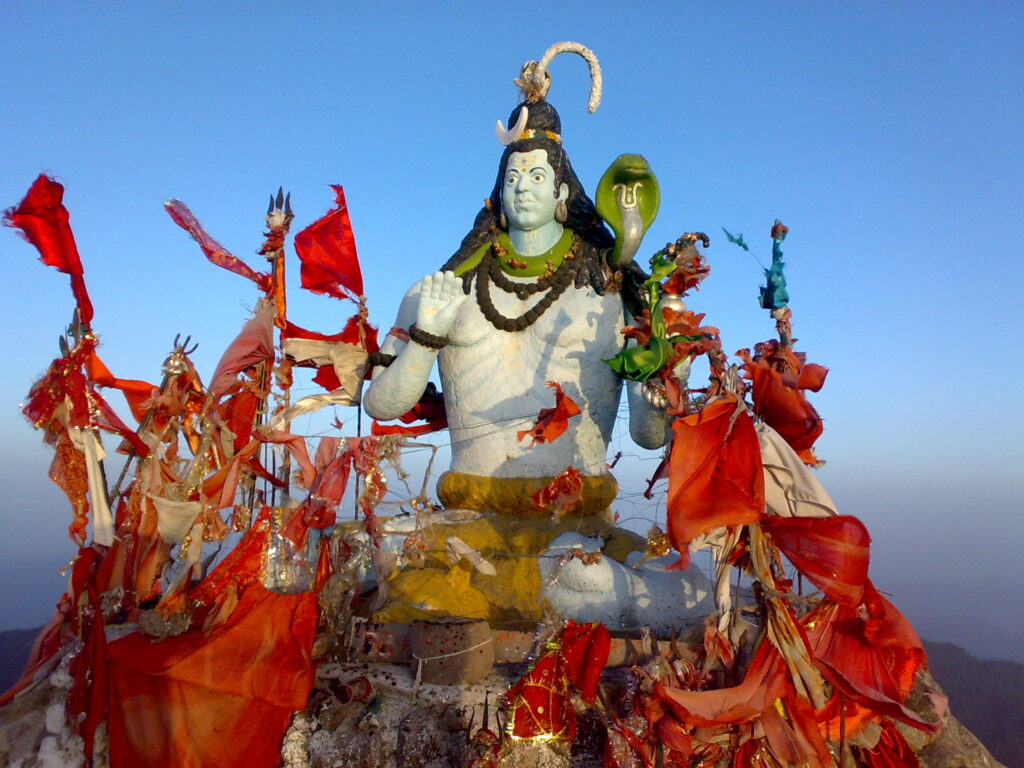
Churdhar, also known as Chureshwar Mahadev, stands at an altitude of about 3,647 metres and lies within the Churdhar Wildlife Sanctuary.
There has been growing pressure for motorable access from the Nohradhar and Chaupal sides. The final stretch passes through steep and sensitive slopes with Himalayan oak and kharsu forest.
Road cutting in such terrain can push muck into nallahs that feed the Giri river, an important water source for Sirmaur and Solan. The sanctuary also supports species such as monal, koklass, Himalayan black bear, and ghoral.
These species are deeply affected by noise, road-edge disturbance, habitat fragmentation, and increased human pressure. A place protected by its height and difficult access should not be opened without the strictest ecological caution.
Shikari Devi: Where Nature Is the Roof
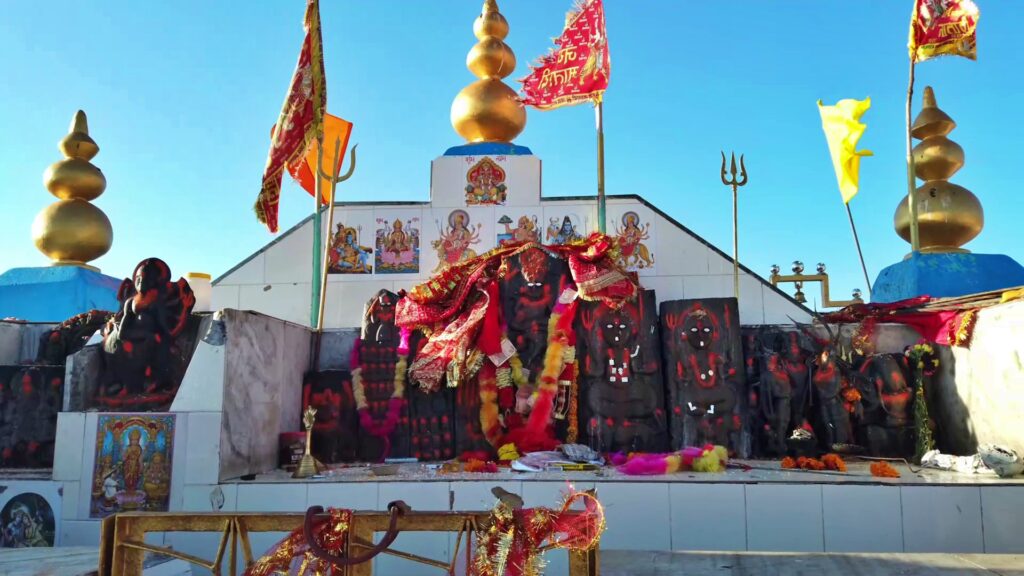
Shikari Devi in Mandi district is known for its sacred character and its roofless temple, where tradition holds that nature itself is the roof.
This spiritual idea carries a powerful ecological message. The shrine belongs to the mountain, the meadow, the forest, and the sky around it.
Pushing road access to the very meadow would change the character of the place. Dense deodar forests around the temple cannot be treated as empty land available for widening, parking, or commercial expansion.
A sacred forest should not be converted into a vehicle destination.
Shali Tibba: A Ridge That Holds Water
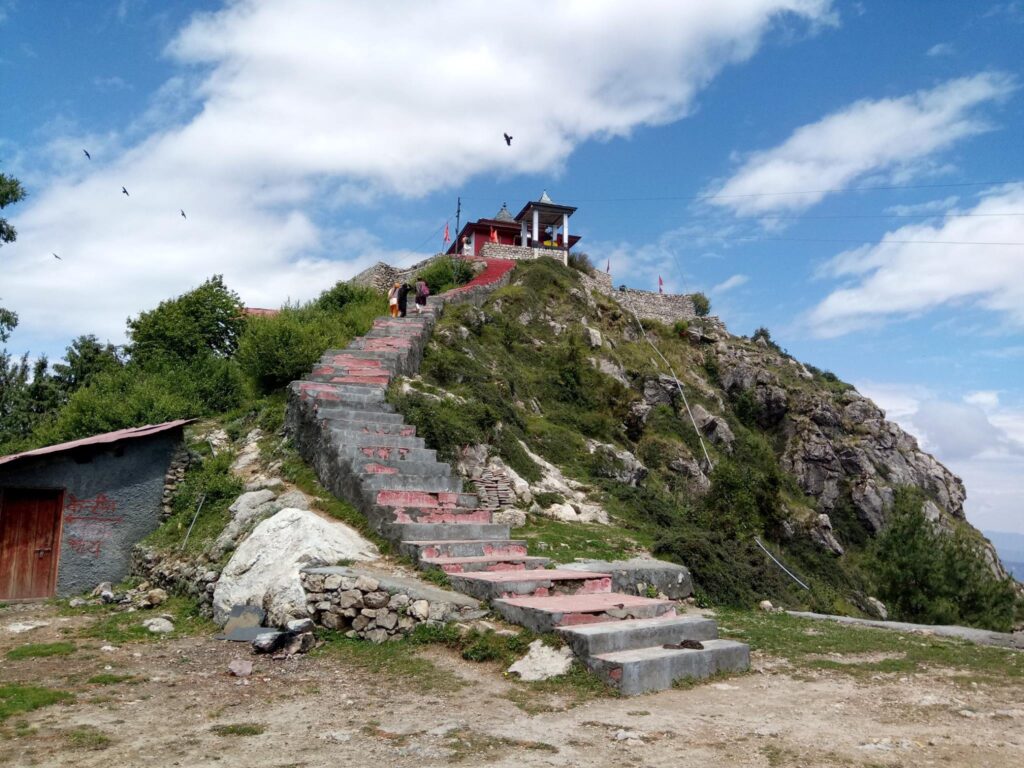
Shali Tibba, overlooking Shimla, is not only a sacred and scenic ridge. It is also an important water recharge landscape for Mashobra and nearby villages.
The narrow final ridge is ecologically sensitive. Heavy cutting can disturb slope stability and increase the risk of slides. Widening efforts on such approaches may create scars that remain visible for years.
When ridges are cut, the damage is not limited to soil. The impact can reach springs, forests, local wildlife, and downstream communities.
Karol Ka Tibba: A Small Hill With Limited Capacity
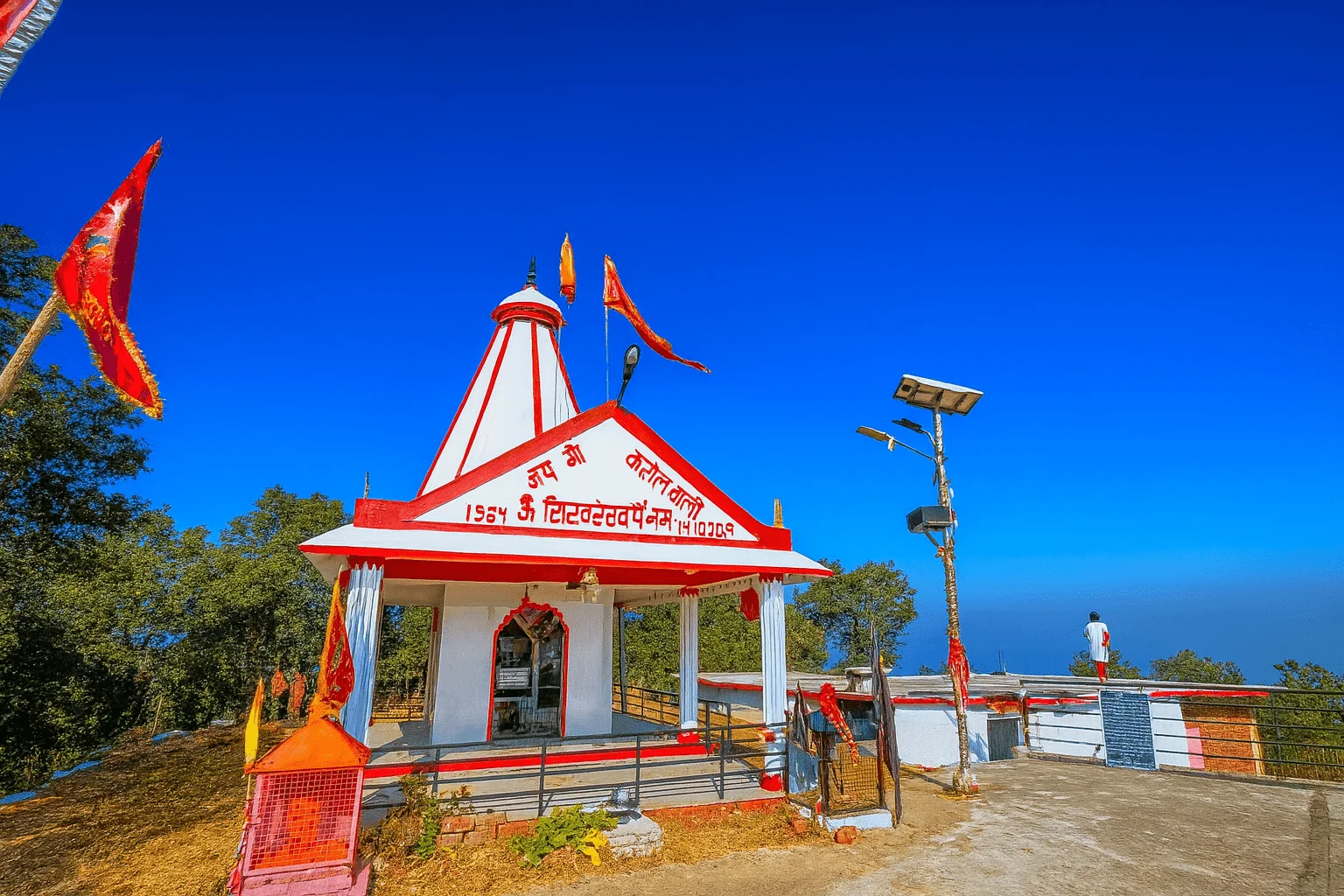
Karol Ka Tibba in Solan is a deeply valued sacred peak and a beautiful forest walk.
Its ecological scale is limited. A small hill cannot absorb the same pressure as a large valley system. Road expansion, unmanaged vehicle access, and commercial activity can quickly overwhelm such a landscape.
The demand for “last-mile connectivity” must be balanced against the carrying capacity of the hill.
In many cases, protecting the last walking stretch is the most responsible form of access.
Hatu Peak, Bijli Mahadev, Jalori, and Other High Ridges
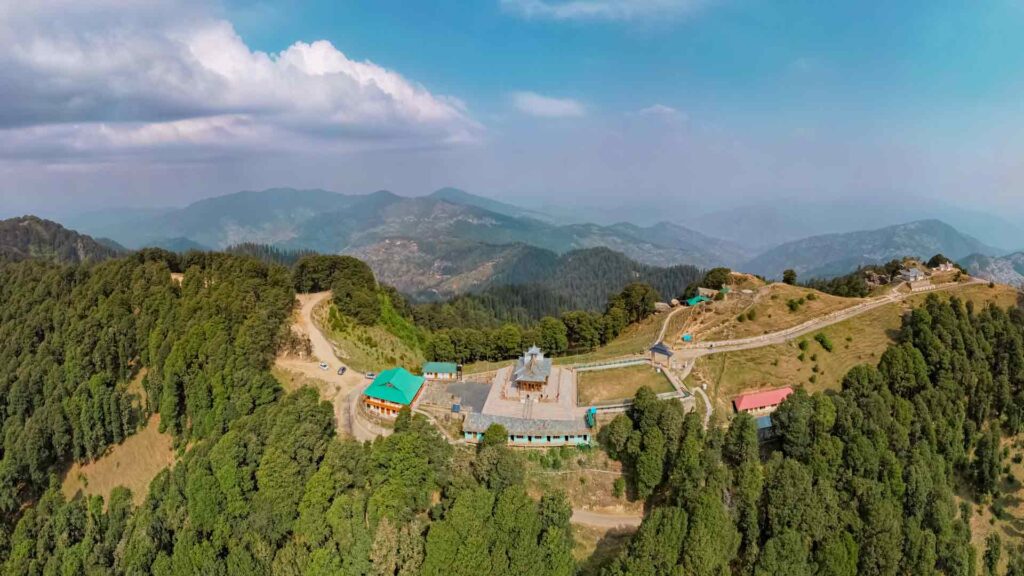
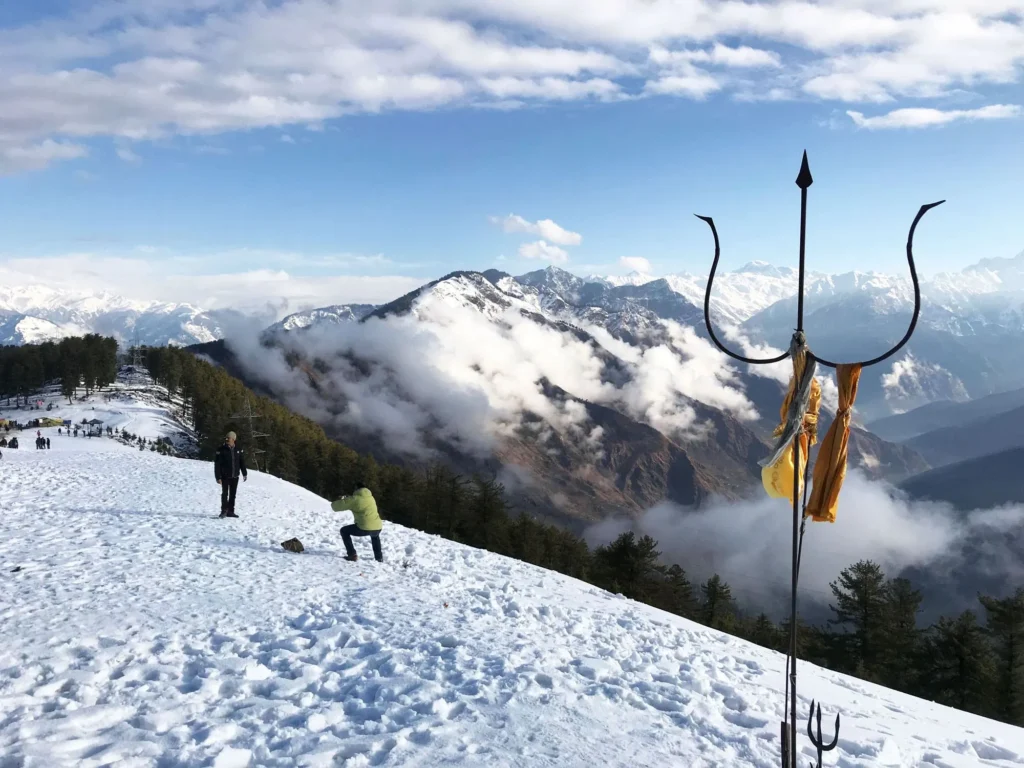
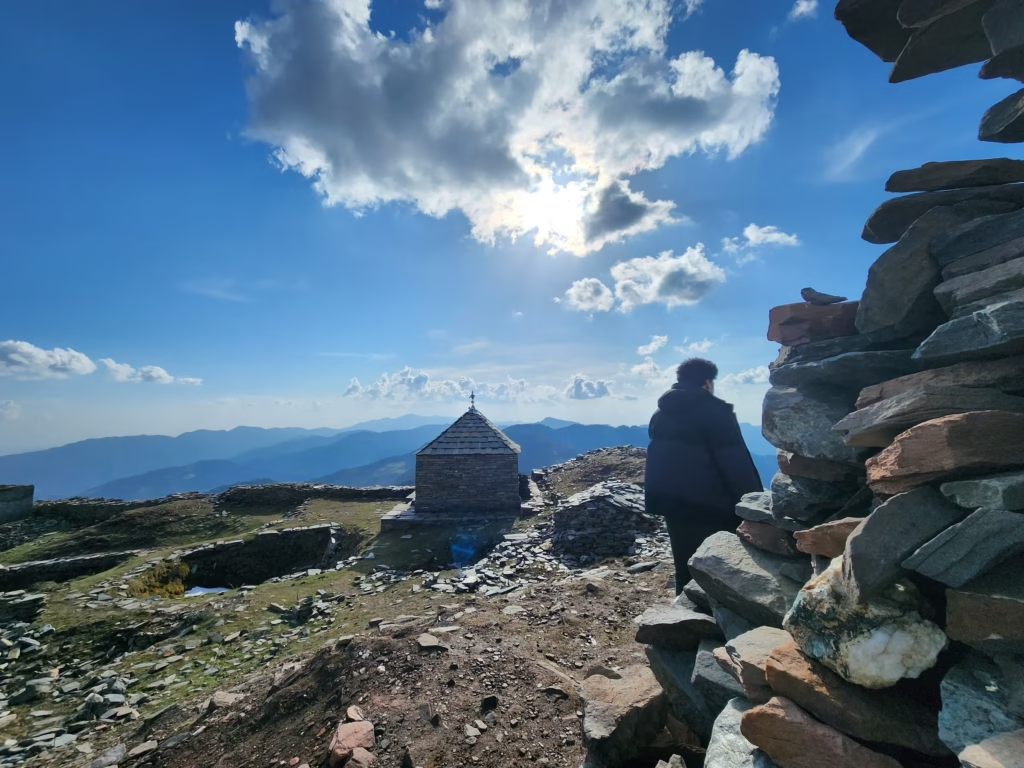
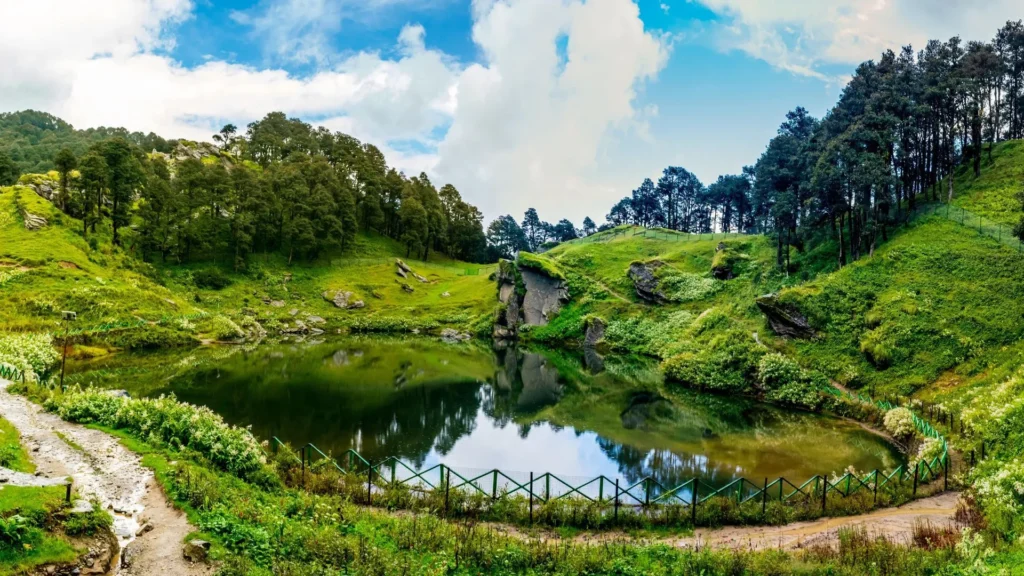
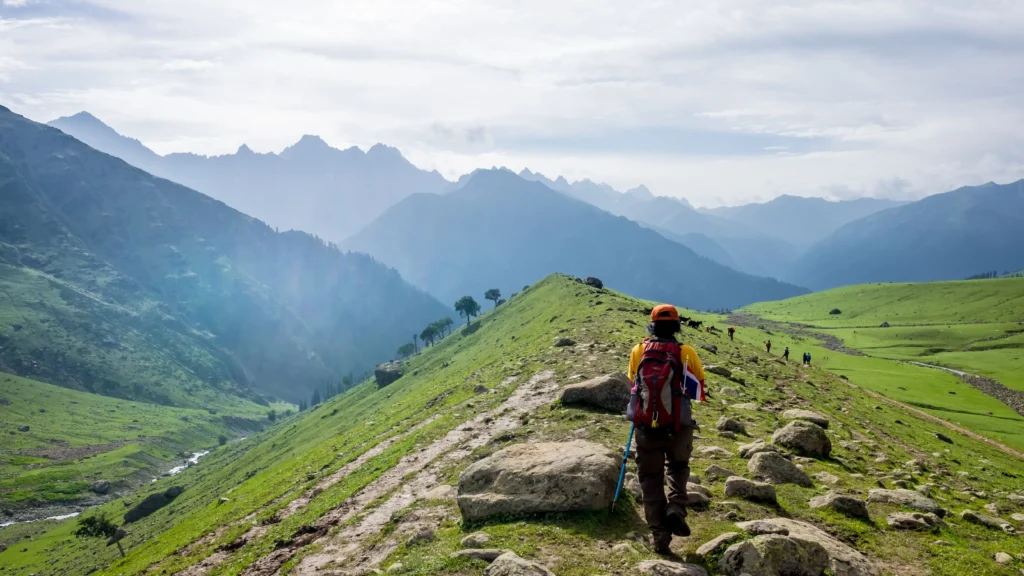
Similar concerns are visible in other high-altitude shrine and ridge landscapes across Himachal Pradesh.
At Hatu Peak, road access already reaches the top, and the summit faces pressure from crowding and waste. At Bijli Mahadev and Jalori, every widening effort brings more vehicles into steep and unstable terrain.
These are not isolated concerns. Together, they show a larger pattern of pressure on the high Himalayan ridge system.
A road built in one location becomes a precedent for another. A parking area on one summit creates demand for similar facilities elsewhere. The cumulative impact becomes much larger than any single project.
The Law and Ecological Responsibility
The question of road expansion to high-altitude shrines is not only emotional or spiritual. It also involves clear legal and environmental responsibilities.
The Constitution of India recognizes the importance of environmental protection. Article 21 has been interpreted to include the right to a clean and healthy environment. Article 48A directs the State to protect forests and wildlife. Article 51A(g) places a duty on citizens to protect and improve the natural environment.
The Forest Conservation Act, 1980 requires prior approval before forest land is used for non-forest purposes, including roads. This means forest diversion cannot be treated as a formality after cutting has already begun.
The Wildlife Protection Act, 1972 is also relevant where roads affect sanctuaries, wildlife habitats, and protected areas. Any such work must follow proper legal clearance and mitigation requirements.
Important environmental principles such as the public trust doctrine, the precautionary principle, and intergenerational equity also apply. Forests, rivers, ridges, and sacred landscapes are not private conveniences. They are shared ecological inheritance.
The law does not oppose faith. It protects the natural foundation on which faith, community life, and future generations depend.
Why Road Expansion Requires Caution
Roads in the Himalayas cannot be compared with roads in plains.
Mountain slopes are young, fragile, and highly sensitive to cutting. When slopes are opened, they may continue to slide for years. Muck dumping can choke streams. Tree loss reduces water retention. Black-top surfaces alter local heat absorption. Increased traffic brings fumes, noise, plastic waste, and commercial pressure.
Above 2,500 metres, the capacity of many landscapes to absorb disturbance is limited.
Old-growth oak and deodar forests act like living water banks. Their leaf litter, roots, and soil layers help hold moisture and recharge springs. When these systems are disturbed, the impact can appear later as drying springs, unstable slopes, and increased water stress.
The ecological cost is measurable. It is seen in landslides, waste accumulation, habitat fragmentation, road widening demands, and pressure on local water sources.
The Disappearing Spiritual Journey
The traditional pilgrimage was never only about reaching the temple quickly.
Walking was part of the discipline. The climb created humility. The forest taught silence. The difficulty filtered intention. Elders remember early morning journeys, bhajans on the trail, resting at chabutras, drinking from natural water sources, and learning the names of trees along the way.
A road changes this relationship.
It can replace silence with horns, patience with hurry, and reverence with consumption. A tirtha can slowly become a viewpoint. The deity may become easier to reach by vehicle, but the devotee may become more distant from the spirit of the journey.
If faith becomes only convenience, we must ask what is being protected and what is being lost.
Our Position: Protect the Journey
We are not anti-development. We are not anti-faith.
We believe that development in the Himalayas must be responsible, lawful, and ecologically sensitive. We also believe that genuine devotion cannot require the destruction of the mountain where the deity resides.
To protect high-altitude shrines and sacred landscapes, we support a Vehicle-Free Himalayan Shrine Policy for Himachal Pradesh.
Key Measures for a Vehicle-Free Shrine Policy
Declare No-Road Sanctity Zones
High-altitude shrine areas should have legally protected no-road zones, especially above 2,500 metres and near sensitive shrine complexes. Places such as Churdhar, Shikari Devi, Shali Tibba, Karol Ka Tibba, Bijli Mahadev, Hatu Peak, and similar ridges require special protection.
Notify Carrying Capacity
Each major shrine should have a clear carrying capacity based on ecological sensitivity, safety, waste management, water availability, and slope stability.
Daily visitor limits can be managed through simple registration systems involving temple committees, local communities, and relevant departments.
Restore Footpaths Instead of Extending Roads
Traditional walking routes should be restored with local stone paths, safe railings where needed, rain shelters, resting points, and proper signage.
This approach protects the spiritual journey while also supporting local workers, masons, guides, porters, and communities.
Keep Vehicles at Base Villages
Parking should remain at base villages or approved lower points. Access beyond that can be managed through walking routes, regulated local transport only up to traditional trailheads, and community-based support systems.
This allows local economies to benefit without destroying the sacred summit.
Make Legal Clearances Non-Negotiable
Forest and wildlife clearances must be treated as mandatory safeguards, not paperwork. No cutting, widening, or diversion should begin without lawful approval.
Illegal cutting should not be regularized later. It must be addressed through proper enforcement.
Create Shrine Ecology Committees
Each major shrine should have a local ecological management committee involving forest officials, temple representatives, community members, and women from mahila mandals.
Such committees can monitor waste, water, crowding, forest protection, and visitor conduct.
Conduct Annual Ecological Audits
High-altitude shrine routes should undergo regular independent audits covering slope stability, forest cover, waste, spring discharge, wildlife disturbance, and visitor pressure.
These findings should guide future decisions before further infrastructure is allowed.
A Call for Reverence and Restraint
PSPK appeals to the Government of Himachal Pradesh, temple trusts, and every devotee: adopt the Vehicle-Free Shrine Policy, obey the Forest Conservation Act and Wildlife Protection Act in letter and spirit, and respect the High Court’s consistent wisdom. Faith built on destruction is not faith. Roads to the gods should not become wounds to the Himalayas.
Our Continuing Commitment
Through the idea of Green Spirituality, PSPK continues to support a deeper relationship between dharma, ecology, and responsible public action. PSPK is churning a mountain philosophy that sees the Himalayas not as land to be consumed, but as a living sacred system of forests, rivers, ridges, wildlife, communities, and spiritual memory. Sacred landscapes are not only places of worship. They are forests, water sources, habitats, memories, and living systems.
Protecting them is not a barrier to faith. It is faith expressed with responsibility.
Related Articles
More stories and updates worth exploring from our journey.